
There was a time when sustainability in pet furniture was a differentiator, a nice-to-have feature that some brands used to appeal to a niche audience. That time is over. Sustainability has moved from a niche attribute to a baseline consideration for many cat owners. The question is no longer whether sustainable materials matter, it is how much they matter and what they cost.
The economics of sustainability in cat furniture are shifting. Materials with environmental credentials are becoming more accessible, but they still carry a premium. The key question for brand owners is whether that premium is justified by consumer willingness to pay and the evidence increasingly suggests it is.
What Consumers Are Actually Willing to Pay
The data on consumer willingness to pay for sustainable pet furniture is becoming clearer. In Germany, one of the most developed pet furniture markets in Europe, one in four cat owners is willing to pay 10 to 20 percent more for eco-labeled products, including those made with certified wood and recycled sisal. This is not a fringe group, it is a significant segment of the market that is actively seeking out sustainable options.
This willingness to pay reflects a broader shift in how consumers evaluate pet furniture. Buyers are increasingly applying the same standards to pet furniture that they apply to human furniture, including material safety, sustainability, ergonomics, aesthetics, and lifecycle value. A cat tree is no longer just a cat tree; it is a piece of home furniture that must meet higher expectations.
The trend is not limited to Europe. Globally, sustainability is becoming a baseline consideration for many buyers, influencing material selection and purchasing decisions. Consumers in North America and Asia are also showing increased interest in eco-friendly, non-toxic materials.
The Material Strategy That Works
Sustainability in cat furniture is not one breakthrough material, it is layered engineering. The most successful brands are not simply adding a “sustainable” tag to their existing products. They are rethinking material selection across the entire product.
This includes several key areas.
First, certified wood. FSC-certified wood signals responsible forestry practices and appeals to environmentally conscious consumers. The certification provides third-party verification that the wood is sourced from well-managed forests, which adds credibility to sustainability claims.
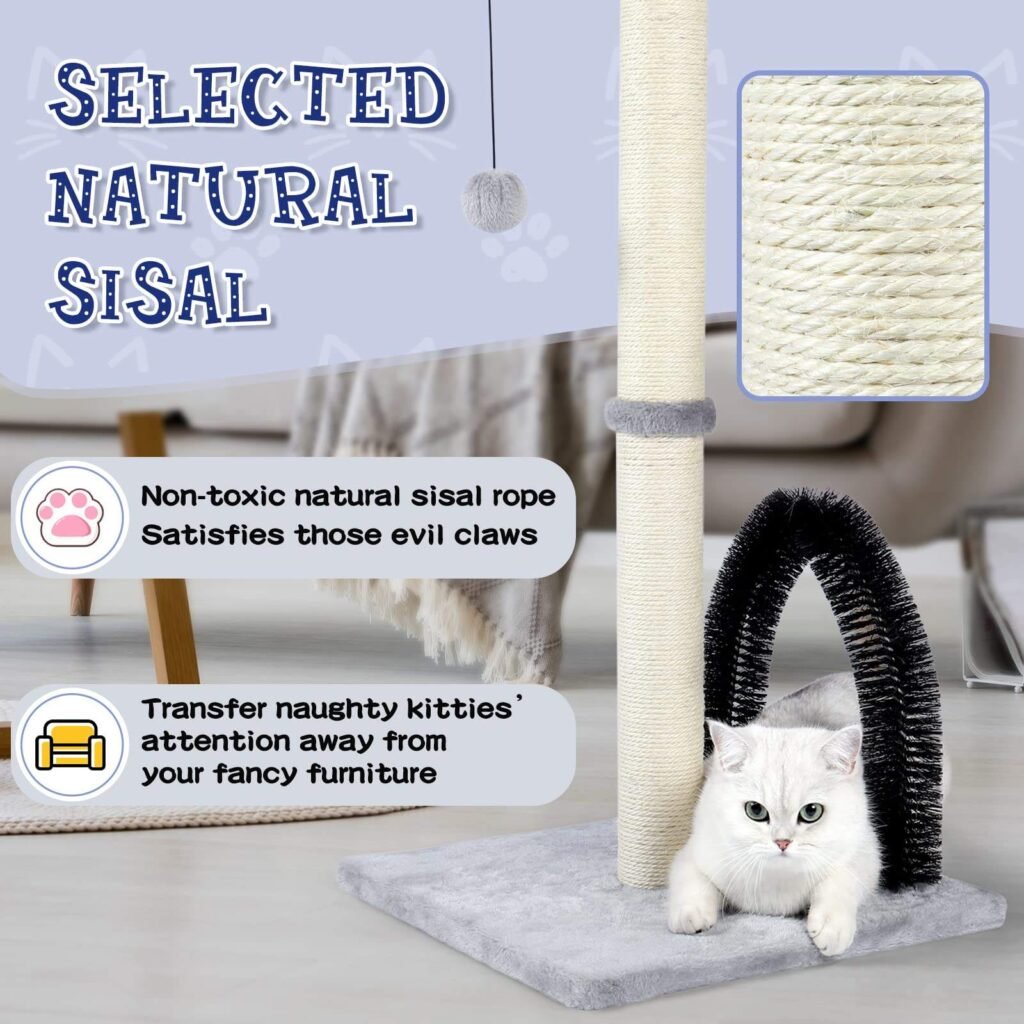
Second, traceable sisal. High-quality sisal for scratching posts is increasingly sourced with traceability documentation. This matters because it addresses both sustainability and quality, consumers who care about the environment also care about product durability.
Third, recycled materials. Recycled fabrics and non-toxic glues are becoming more common in cat furniture manufacturing. The use of recycled materials reduces landfill waste and appeals to consumers who prioritize circularity.
Fourth, structural honesty. Material innovation that prioritizes durability over disposability delivers both sustainability and value. Products that last longer reduce waste and justify higher price points.
The Connection Between Sustainability and Safety
Sustainability and safety are increasingly linked in consumer perception. Regulatory oversight and animal welfare standards are compelling manufacturers to innovate safer, non-toxic, and environmentally sustainable products. Governments and animal welfare organizations are implementing stricter guidelines concerning material safety, structural stability, and chemical usage in pet furniture.
For brand owners, this creates a clear opportunity. Products that are both safe and sustainable can command premium pricing. The key is communicating the connection clearly to consumers, explaining not just that the product is “eco-friendly” but why that matters for their pet’s health and the environment.
What Brand Owners Should Consider
If you are sourcing cat furniture for your brand, here are the key questions to work through.
First, what is your sustainability position? Are you targeting consumers who prioritize sustainability, or are you competing on price? The answer determines your material choices and your pricing strategy.
Second, what certifications matter in your target markets? FSC certification for wood and traceability for sisal are becoming baseline expectations in some markets. If you are selling in Europe, eco-labeling is increasingly important. If you are selling in North America, recycled materials and non-toxic glues are key.
Third, how much premium can you command? The data suggests that a significant segment of consumers is willing to pay 10 to 20 percent more for sustainable products. But this varies by market and by product category. Test your pricing with your target audience to find the sweet spot.
Fourth, how will you communicate your sustainability story? Consumers are increasingly skeptical of vague environmental claims. Third-party certifications, material traceability, and specific claims about durability and waste reduction are more effective than generic “eco-friendly” messaging.
Sustainability in cat furniture is no longer optional for brands that want to compete in premium markets. The economics are shifting, and the brands that embrace sustainable materials—and communicate their choices effectively, will be the ones that win.