

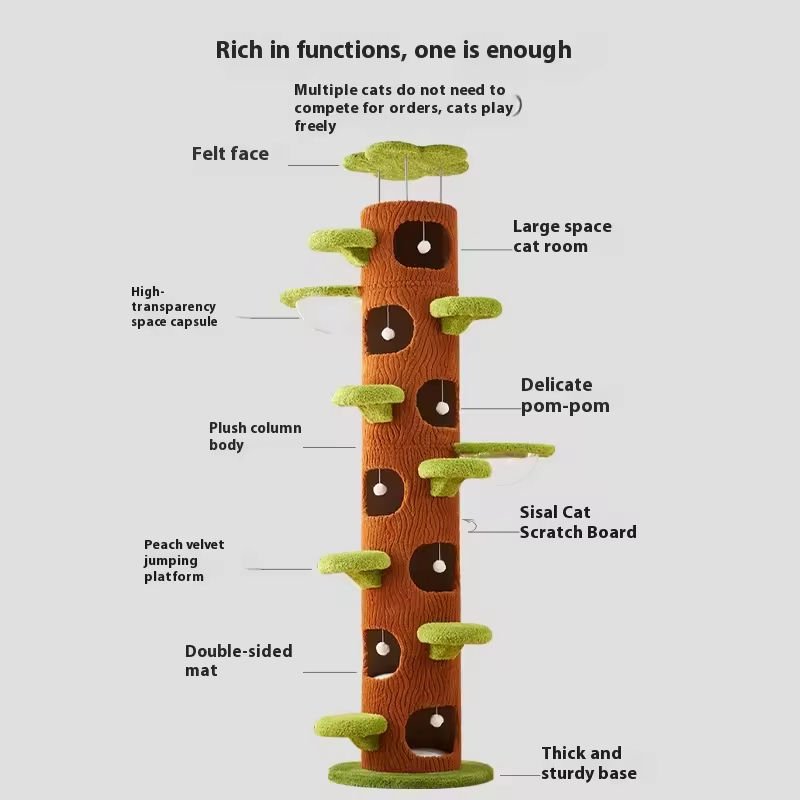
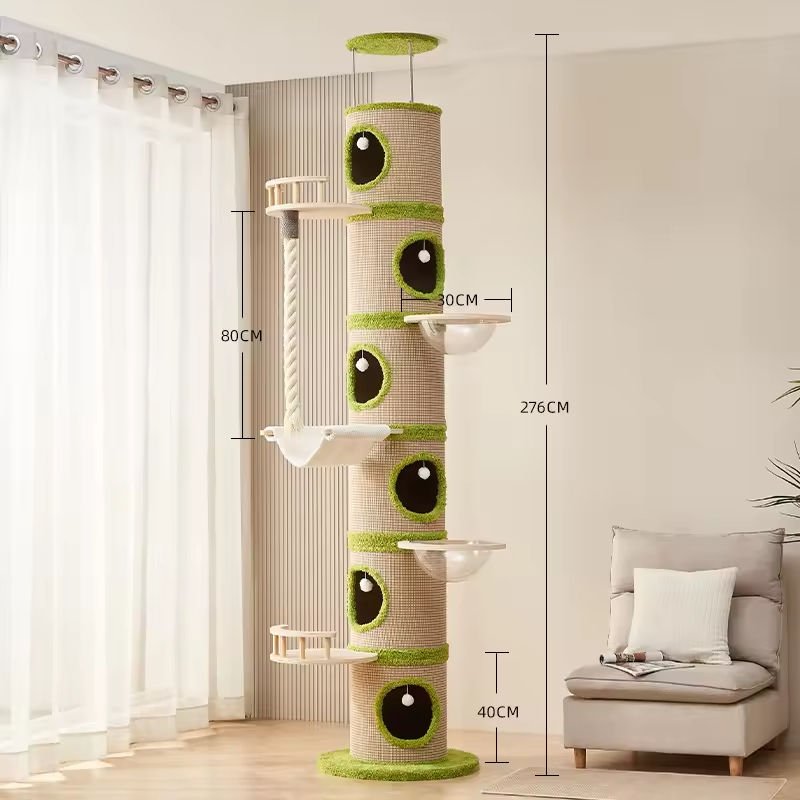
Cat furniture is a product that must be assembled. Unlike a sofa or a bookshelf that might arrive fully assembled, most cat trees and climbing systems require the customer to put them together. This makes the assembly experience a critical part of the customer journey and a significant driver of returns, reviews, and repeat purchases.
When a customer opens a box of cat furniture and finds confusing instructions, missing hardware, or parts that do not fit together easily, frustration sets in. If the assembly process is difficult, the customer may return the product, leave a negative review, or simply never buy from that brand again.
Why Assembly Matters
The assembly experience is often the first hands-on interaction a customer has with a product. It sets the tone for their entire perception of the brand. A smooth assembly process signals quality, thoughtfulness, and attention to detail. A frustrating one signals the opposite.
For online sales especially, assembly is a major factor in returns. When customers cannot see and touch the product before buying, their expectations are based on images and descriptions. If the physical product does not match those expectations, or if assembly is harder than they anticipated, returns become more likely.
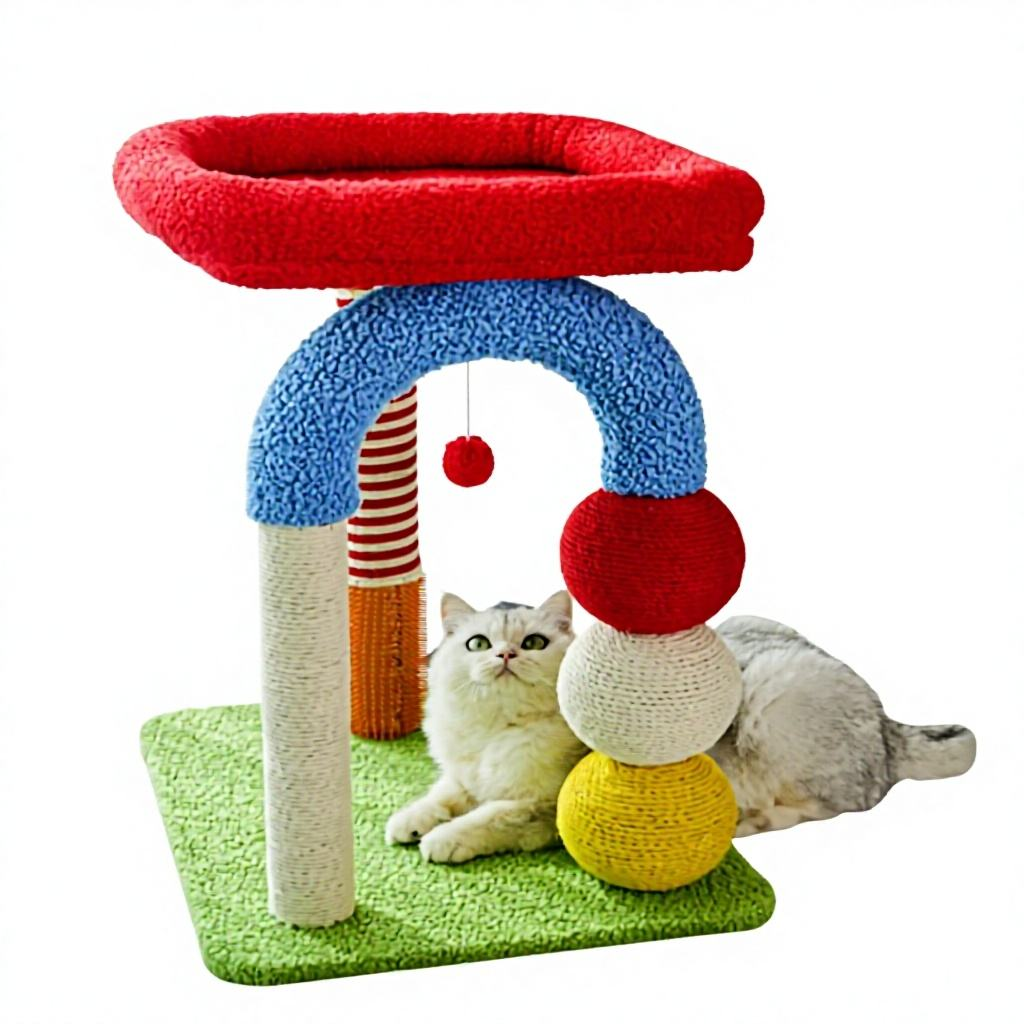
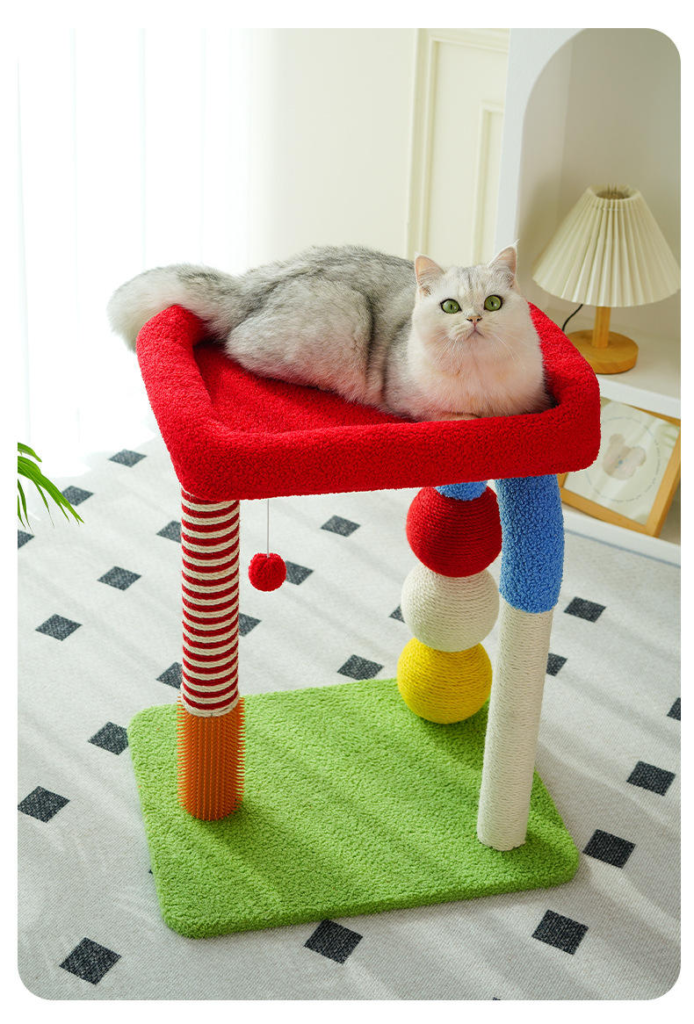
What Makes Assembly Frustrating
Several factors can make assembly frustrating for customers.
Poor instructions. Instructions that are poorly translated, unclear, or missing steps are a common complaint. If the customer has to guess how parts fit together, they are more likely to make mistakes or give up.
Unlabeled parts. If the hardware and components are not labeled, the customer has to sort through everything and figure out which screw goes where. This adds time and frustration.
Missing or damaged parts. Nothing derails assembly faster than discovering that a critical part is missing or broken. This is a quality control issue, but it directly affects the customer‘s experience.
Difficult assembly sequences. Some products require the customer to hold multiple pieces in place while tightening screws, or to attach parts in a specific order that is not intuitive. If the assembly sequence is not well-designed, it can be physically awkward and time-consuming.
Tools required. If the customer needs tools they do not have or if the tools that are included are flimsy, assembly becomes harder.
How to Improve the Assembly Experience
Brands can take several steps to make assembly smoother and more satisfying.
Invest in clear, illustrated instructions. The best instructions use clear illustrations and minimal text. They show each step visually and indicate which parts are needed at each stage. They also include a parts list at the beginning so the customer can verify everything is present before starting.
Label all parts and hardware. Every part and every piece of hardware should be labeled with a letter or number that corresponds to the instructions. This simple step saves time and reduces confusion.
Pre-sort hardware. Packaging hardware in a divided tray or in labeled bags makes it easier for the customer to find what they need. It also reduces the risk of losing small pieces.
Design for easy assembly. The best way to reduce assembly frustration is to design products that are inherently easy to assemble. This means minimizing the number of steps, using intuitive connections, and avoiding sequences that require the customer to hold multiple pieces at once.
Include the right tools. If assembly requires tools, include them. A simple Allen wrench or screwdriver that fits the hardware properly is a small investment that makes a big difference.
Offer video tutorials. A short video that walks through the assembly process can be more helpful than written instructions. Brands can host these videos on their website or link to them from a QR code on the packaging.
Provide customer support. Even with the best instructions, some customers will have questions. A responsive customer support team that can answer assembly questions quickly can prevent frustration from turning into a return.
What Brands Should Consider
If you are sourcing cat furniture for your brand, think about assembly from the beginning.
- Ask your manufacturer for assembly instructions. Review them. Are they clear? Are they illustrated? Do they match the product?
- Request a sample and assemble it yourself. This is the best way to experience what your customer will experience.
- Gather feedback. If customers complain about assembly, take it seriously. It is a signal that something needs to change.
- Consider pre-assembled or partially assembled options. Some products can be designed to ship partially assembled, reducing the number of steps for the customer.
The assembly experience is not just a logistical detail. It is part of the product. Brands that treat it as an afterthought will pay the price in returns and negative reviews. Brands that invest in making assembly easy and even enjoyable will earn grateful customers and lasting loyalty.