
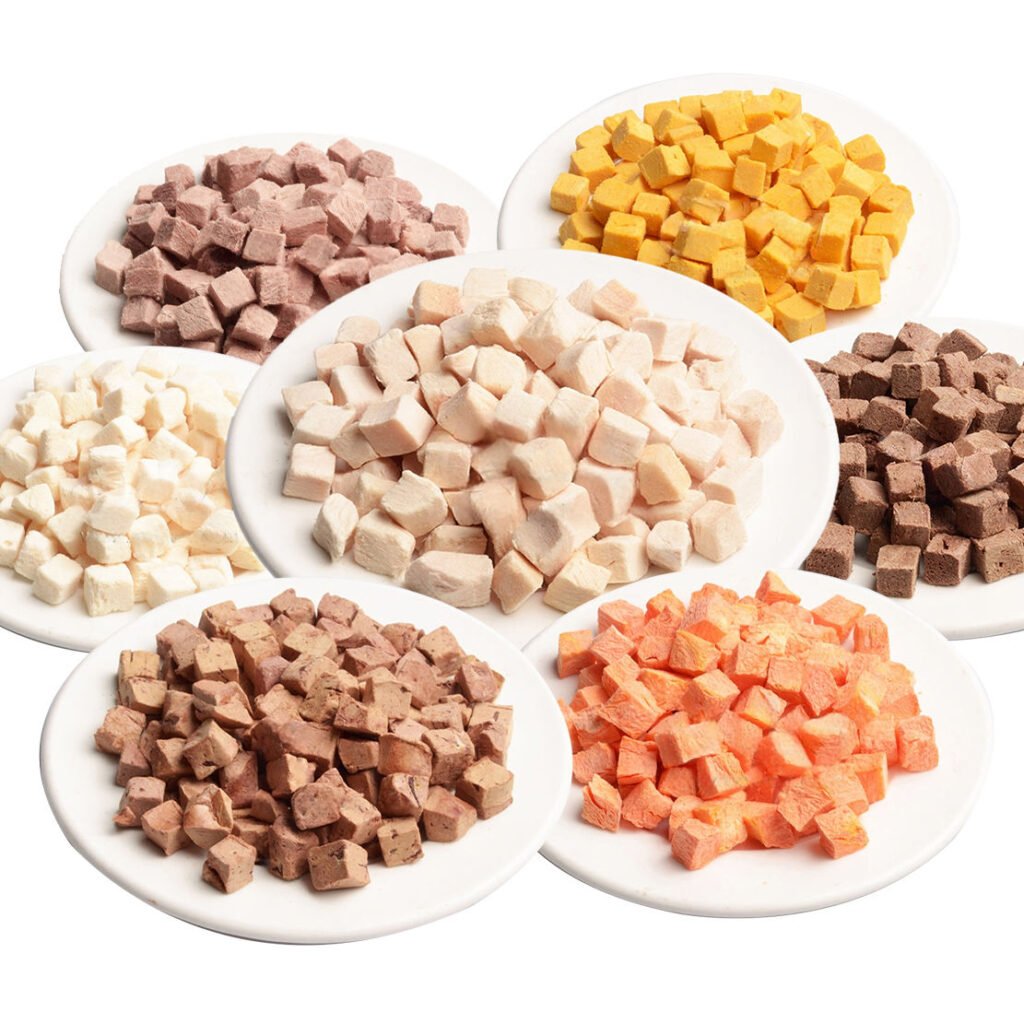
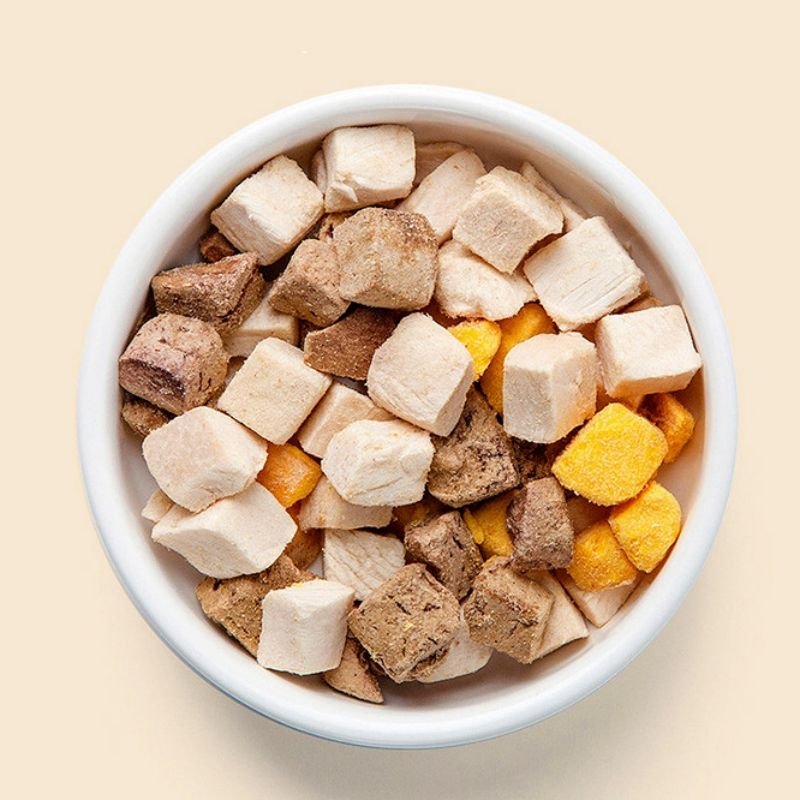
Freeze-dried pet food has many advantages: it preserves raw nutrition, it is lightweight and shelf-stable, and it offers the convenience of a raw diet without the hassle of refrigeration. But there is one challenge that every freeze-dried brand eventually faces: palatability.
Not all pets accept freeze-dried food immediately. Some turn their noses up at it. Some eat it once and then refuse it. And some simply never take to it at all. For brands, this is a serious problem. A product that pets refuse to eat will not generate repeat purchases, no matter how nutritious it is.
Why Some Pets Reject Freeze-Dried Food
There are several reasons why a pet might reject freeze-dried food.
The first is texture. Freeze-dried food is light, airy, and dry. Some pets, particularly those accustomed to moist or semi-moist food, may find the texture unfamiliar or off-putting.
The second is aroma. While freeze-drying preserves more of the natural aroma than kibble, the aroma profile is different. Some pets are highly sensitive to changes in smell and may reject food that does not match their expectations.
The third is feeding method. Freeze-dried food can be fed dry or rehydrated. Some pets prefer one over the other. If the feeding method does not match the pet’s preference, the food may be rejected.
The fourth is transition speed. Switching from a familiar food to a new food too quickly can cause digestive upset and food aversion. A gradual transition is usually necessary.
How to Improve Palatability
There are several strategies that brands and pet owners can use to improve acceptance of freeze-dried food.
Rehydration is the most effective method for many pets. Adding warm water to freeze-dried food enhances the aroma and softens the texture, making it more similar to fresh or canned food. For pets that are hesitant, rehydration is often the first thing to try.
Transitioning gradually is also important. Rather than replacing the pet’s current food entirely, the freeze-dried food should be mixed in gradually, starting with a small proportion and increasing over one to two weeks. This allows the pet to adjust to the new taste and texture without digestive upset.
Toppers and mix-ins can also help. Some pet owners use freeze-dried food as a topper on their pet’s regular food, which introduces the new taste without the pressure of a full meal. Over time, the proportion of freeze-dried food can be increased.
Warming the food slightly can enhance the aroma and make it more appealing. This is particularly effective for pets that are aroma-driven.
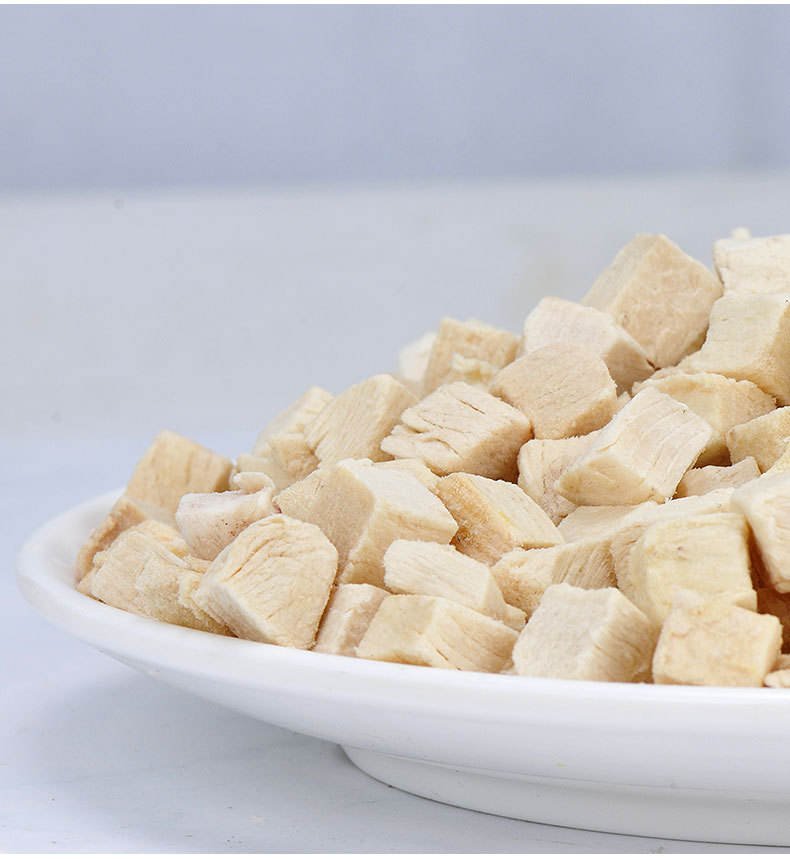
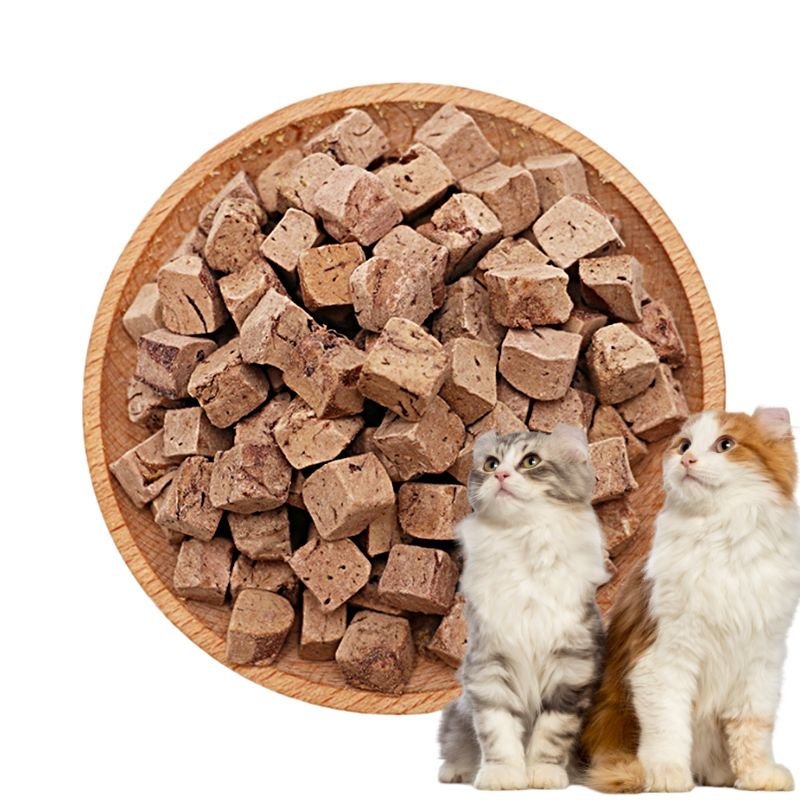
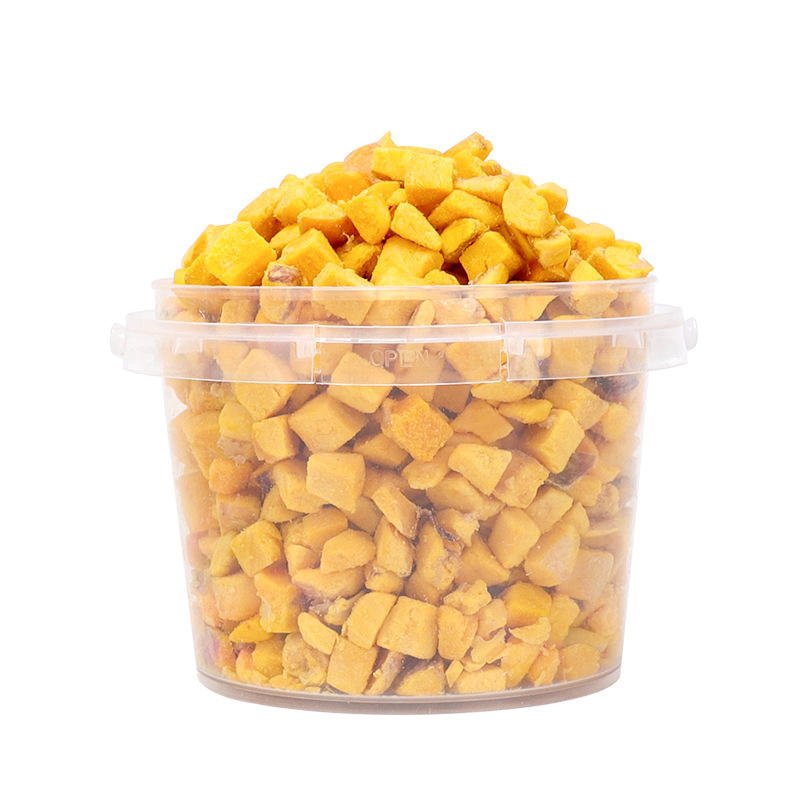
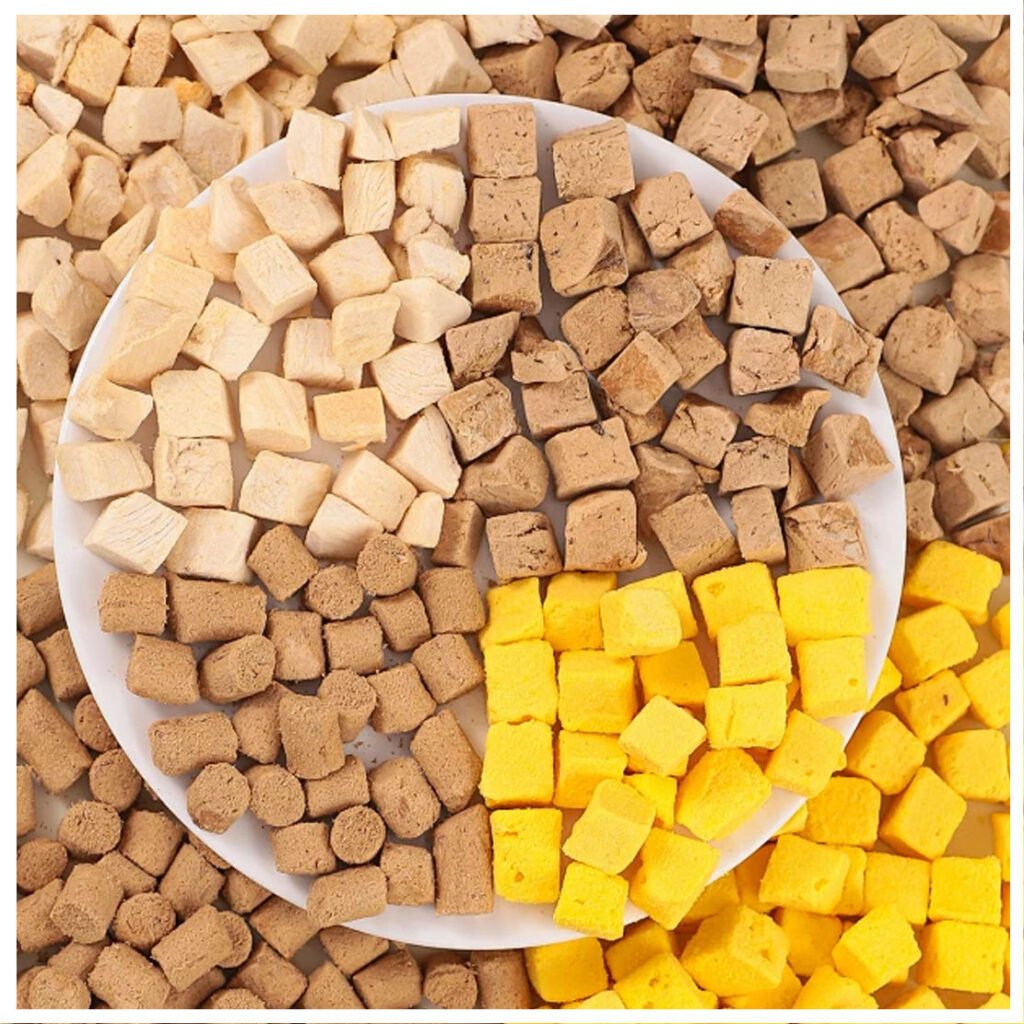
Texture variation can also be helpful. Some brands offer freeze-dried food in different forms, crumbles, chunks, or powders—to suit different preferences. Pet owners can experiment to find what their pet prefers.
What Brands Should Consider
For brands, palatability is not just a product development issue. It is a customer retention issue. A pet owner who tries freeze-dried food and finds that their pet will not eat it is unlikely to try again.
Here are some steps brands can take:
Invest in palatability testing. Before launching a product, test it with a representative panel of pets. Measure acceptance rates and identify any common issues.
Offer feeding guidance. Many pet owners do not know how to introduce freeze-dried food properly. Clear, accessible guidance on rehydration, transitioning, and feeding methods can significantly improve the customer experience.
Provide samples. Offering small sample sizes allows pet owners to test acceptance before committing to a full bag.
Consider multi-format options. Some brands offer both dry and rehydratable formats, or different textures, to accommodate different preferences.
Listen to customer feedback. Reviews and customer service inquiries often reveal patterns in palatability issues. Use this feedback to improve formulations and feeding recommendations.
The Bottom Line
Palatability is a solvable challenge, but it requires attention and investment. The most successful freeze-dried brands are those that recognize that nutrition alone is not enough, the pet has to want to eat it. By investing in palatability testing, providing clear feeding guidance, and offering flexible formats, brands can improve acceptance and build a loyal customer base.