
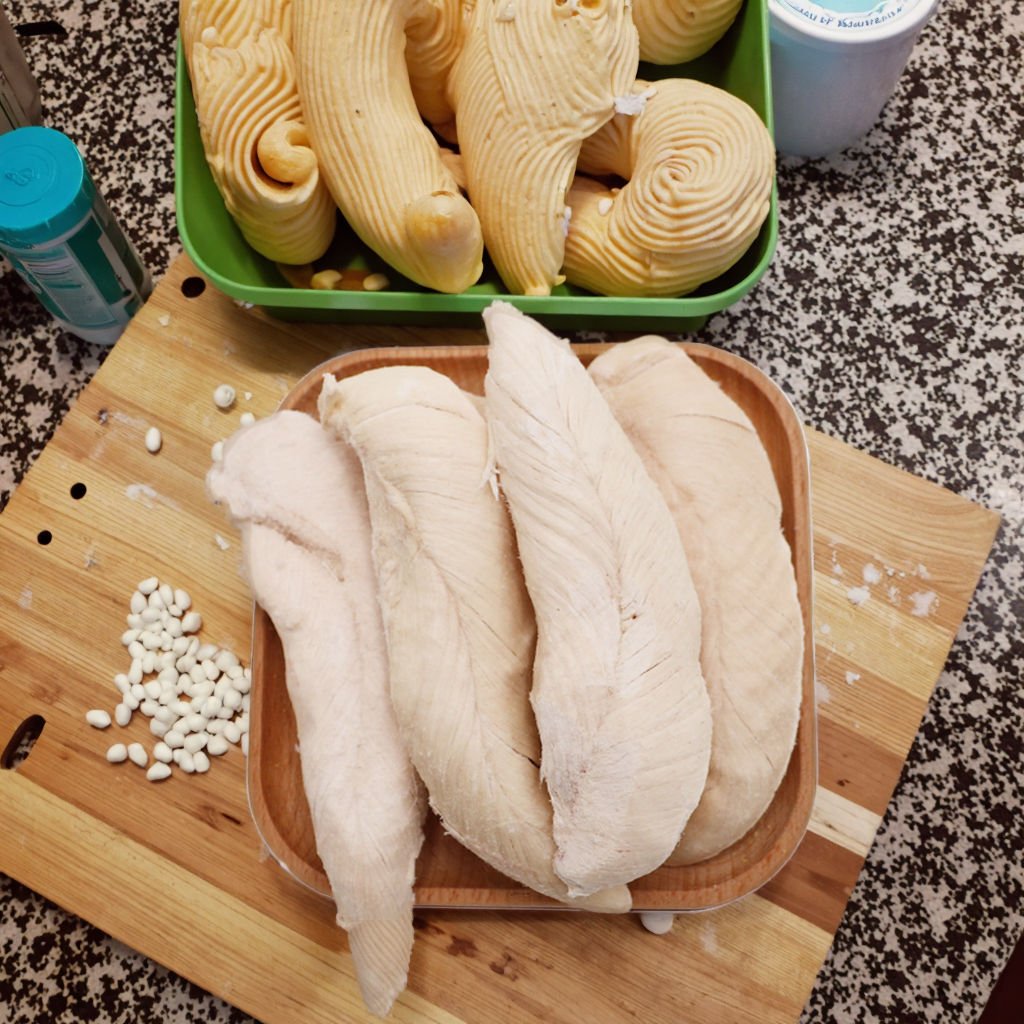
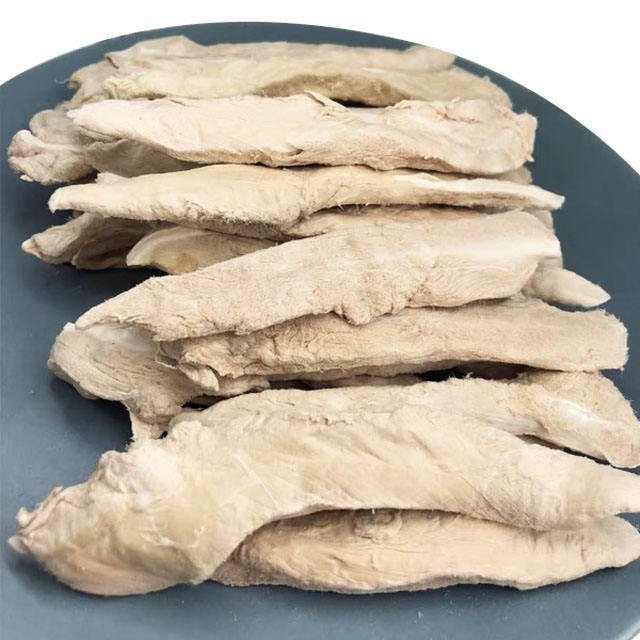

The freeze-dried pet food category is built on a foundation of high-quality, raw animal proteins. Whether it is single-ingredient chicken breast, wild-caught salmon, or novel proteins like venison and rabbit, the integrity of the final product depends entirely on the integrity of the ingredients.
However, the global supply chain for these premium proteins is becoming increasingly volatile. Avian influenza outbreaks have led to mass culling of poultry in multiple regions, severe weather events have disrupted agricultural yields, and stricter ocean conservation regulations are limiting the catch quotas for certain fish species.
For brands that rely on freeze-dried formats, these disruptions are not just a nuisance; they are an existential threat to product consistency and profitability. A resilient supply chain is no longer a luxury; it is a requirement for survival.
The Threat of Single-Source Dependence
The most significant vulnerability in the pet food supply chain is over-reliance on a single source or region for raw materials.
If a brand’s entire freeze-dried chicken line relies on a supplier in a region hit by an avian flu outbreak, production will grind to a halt overnight. The resulting stockouts can damage brand loyalty and cede valuable shelf space to competitors. Furthermore, the sudden drop in supply will trigger a spike in raw material costs, crushing already thin margins.
Strategies for Building Resilience
Building a resilient supply chain requires a multi-layered approach that goes beyond just finding the cheapest supplier.
First, diversify sourcing regions. While it may be easier to source all ingredients from one domestic region, utilizing international suppliers (provided they meet strict safety and quality standards) can insulate a brand from localized environmental or regulatory shocks. This requires a robust vendor qualification process but provides essential redundancy.
Second, establish long-term contracts with key suppliers. In a volatile market, spot buying leaves you exposed to price gouging. By locking in volume commitments and pricing structures with primary suppliers, brands can secure a baseline of raw materials. However, these contracts should always have contingency clauses for force majeure events.
Third, develop a multi-protein strategy. The rise of functional and novel proteins isn’t just about consumer trends; it is a risk management strategy. By offering alternative formulas (e.g., replacing chicken with duck, or fish with lamb), brands can pivot production lines based on material availability.
The Role of Manufacturing Partners
Brands should not bear the burden of supply chain management alone. A reliable freeze-dried co-manufacturer should act as a strategic partner in sourcing.
Manufacturers often have established relationships with multiple ingredient vendors and a deeper visibility into market fluctuations. They can advise brands on which proteins are currently stable, which are facing shortages, and how to reformulate products to maintain nutritional targets without compromising quality.
Furthermore, a manufacturer with a modern, flexible production facility can handle smaller batch sizes for novel proteins, allowing brands to test new recipes without committing to massive inventory.
Communicating with the Consumer
Transparency is crucial during periods of raw material volatility. If a brand is forced to temporarily change a recipe or raise prices due to market conditions, clear communication is vital. Consumers are generally understanding of genuine supply chain challenges, but they will not tolerate being misled.
Ultimately, the freeze-dried pet food brands that will survive the coming years are those that treat supply chain resilience as a core business function. By anticipating volatility, diversifying sources, and partnering with agile manufacturers, brands can ensure their products remain on shelves, regardless of what happens in the wider market.