
For years, freeze-dried pet food occupied a specific niche: premium treats, meal toppers, and specialty diets for the most dedicated pet owners. That is changing. Freeze-dried is moving from the treat aisle to the main bowl and the shift is happening faster than many in the industry expected.
The category is projected to grow by USD 2.75 billion at a compound annual growth rate of 19.60% through 2032. But the more interesting story is not the size of the growth it is the nature of it. The freeze-dried category is transitioning from a specialty format to a scalable, mainstream category. This transition is being driven by three converging forces: consumer behavior shifts, ingredient innovation, and production engineering advancements.
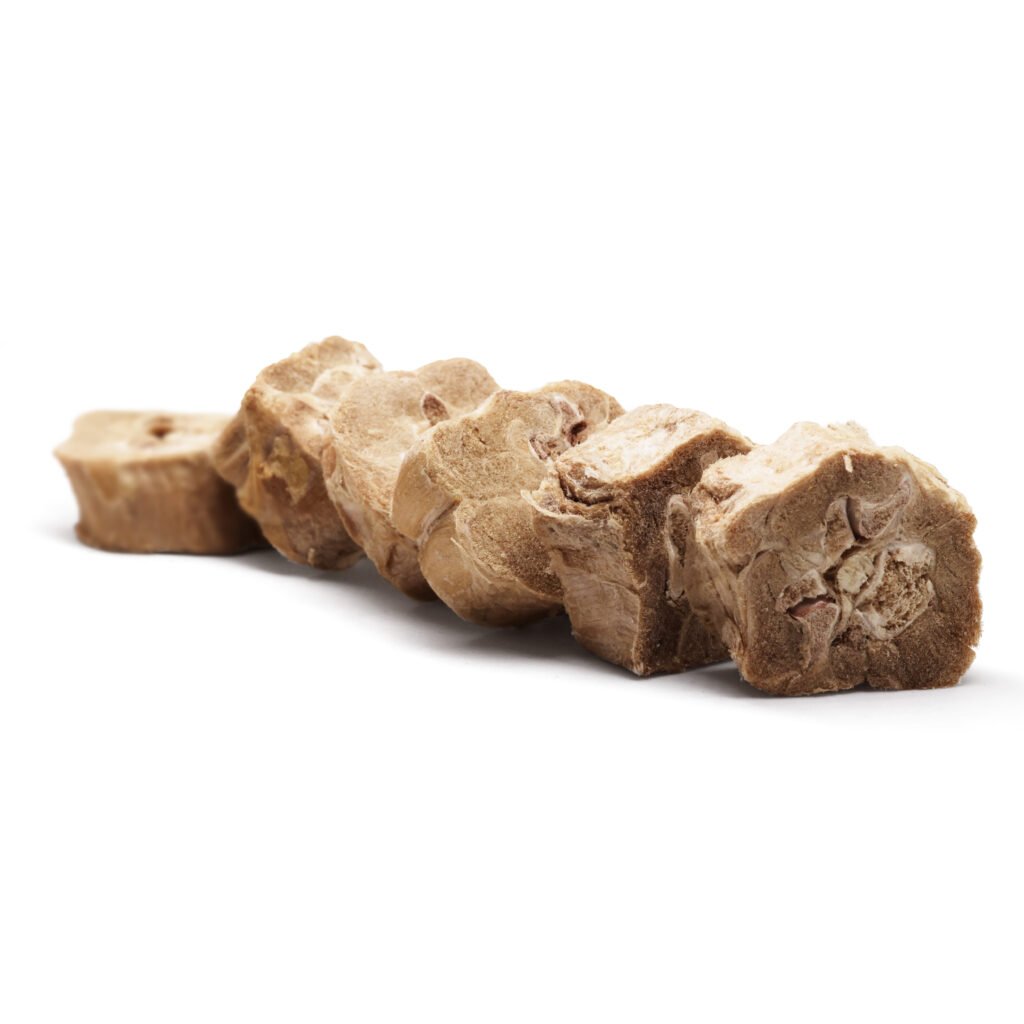
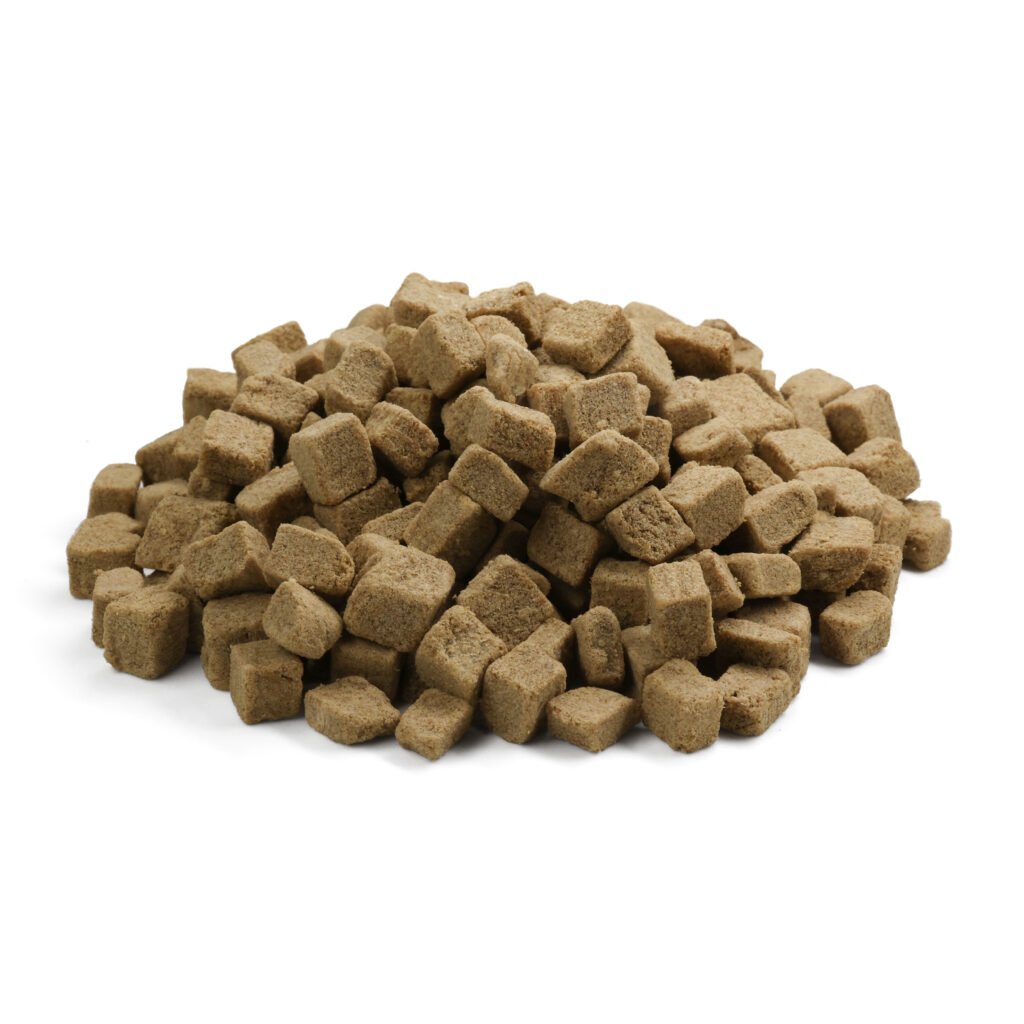
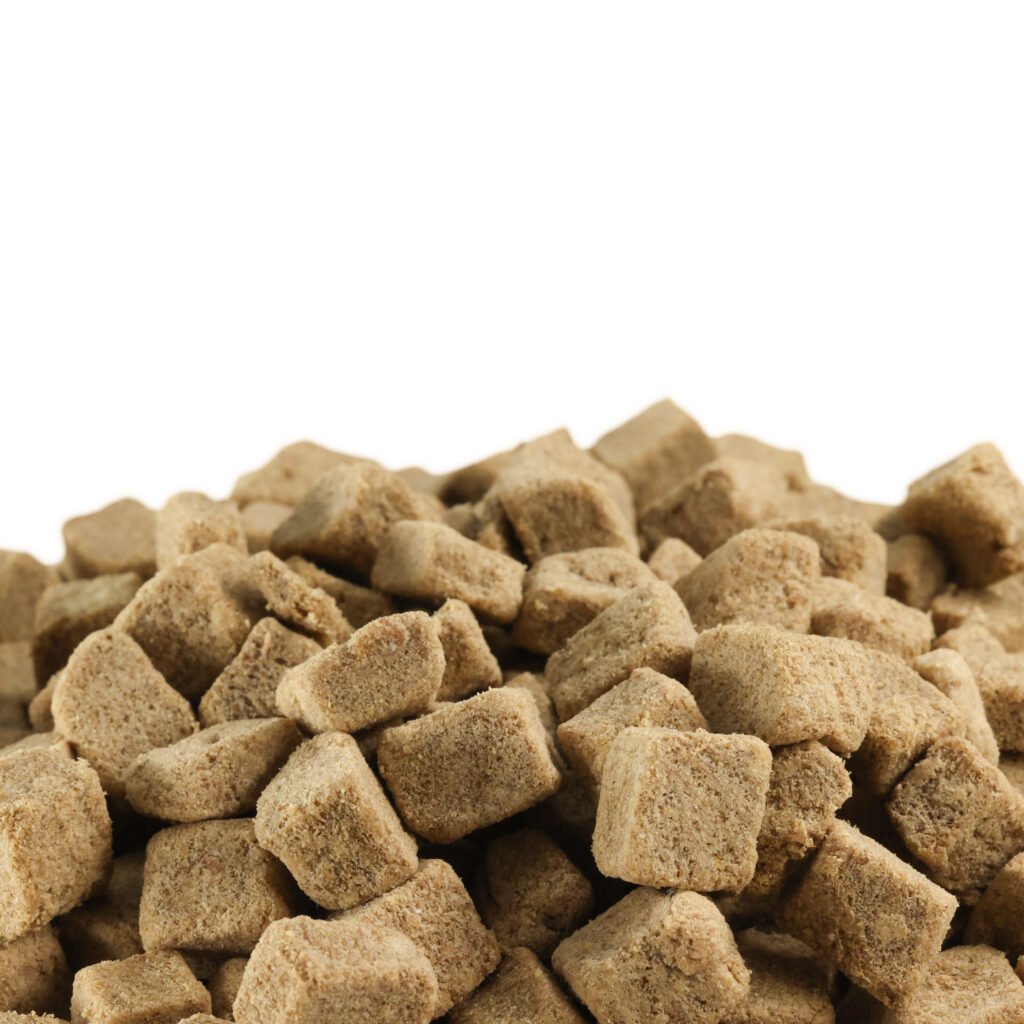
The Consumer Shift: From Treat to Diet
The most fundamental change is how pet owners are using freeze-dried products. What started as an occasional treat or a topper for picky eaters is increasingly becoming a complete meal solution. Brands are responding by expanding their freeze-dried lines to include complete and balanced diets, not just treats and toppers.
This shift is driven by pet humanization and growing demand for minimally processed, nutrient-dense pet food options. Pet owners who choose freeze-dried are not just looking for a treat—they are looking for food that mirrors their own preferences for whole, recognizable ingredients, minimal processing, and nutritional transparency. The category benefits from this “humanization of pets” trend, with consumers increasingly applying their own food standards to their pets’ diets.
The rise of hybrid feeding models is also accelerating adoption. Many pet owners are not choosing freeze-dried exclusively—they are combining it with kibble, wet food, or fresh food in flexible feeding routines. This lowers the barrier to entry: pet owners can start with a freeze-dried topper and gradually transition to a complete freeze-dried diet without making an all-or-nothing commitment.
What Differentiation Looks Like in a Crowded Category
As freeze-dried has grown, so has competition. At major industry events like Global Pet Expo 2026, freeze-dried and air-dried products continued to drive innovation. But the nature of that innovation has shifted. While freeze-dried remains a crowded category, differentiation is increasingly emerging through functional claims, ingredient storytelling, and unconventional formats.
Brands that are succeeding are not simply offering “freeze-dried chicken.” They are offering freeze-dried formulations that target specific health conditions—urinary tract health, obesity management, renal support, and gastrointestinal sensitivity. They are telling stories about where ingredients come from and why they matter. They are experimenting with novel proteins, single-ingredient formulations, and functional additives.
The market for functional freeze-dried products is substantial. In the United States, functional claims now appear on an estimated 40 to 50 percent of new freeze-dried product introductions. Single-ingredient components such as freeze-dried liver, fish, or vegetables are growing fastest among health-motivated buyers seeking functional add-ins. Pet owners are not just looking for convenience—they are looking for food that actively supports their pet’s health.
The Manufacturing Shift: From Specialty to Scale
Perhaps the most significant development for brand owners is the maturation of freeze-dried manufacturing. Industry experts note that freeze-dried pet food will transition from a specialty process to a standardized, scalable manufacturing model over the next five years.
This has important implications for brands entering the category. As manufacturing scales, costs will decrease, quality will become more consistent, and supply chains will become more reliable. The barriers to entry that once made freeze-dried difficult for smaller brands are starting to come down. At the same time, the category is attracting more manufacturing investment and inspiring more ingredient innovation.
For brand owners, this means the opportunity is widening. The question is no longer whether you can afford to produce freeze-dried—it is whether you can differentiate your product in an increasingly crowded field.
What Brand Owners Should Consider
If you are evaluating whether to enter or expand in the freeze-dried category, here are the key considerations.
First, define your positioning. Are you offering a treat, a topper, or a complete diet? The answer determines everything from formulation to packaging to pricing. Complete diets require nutritional completeness and regulatory compliance; treats and toppers offer more flexibility.
Second, consider your protein strategy. Novel proteins—duck, venison, lamb, turkey, and even kangaroo—are increasingly popular as differentiators. But single-protein offerings also appeal to health-motivated buyers seeking functional add-ins. Your choice of protein should reflect both your brand positioning and your target customer’s priorities.
Third, look at functional claims. Functional products targeting specific health conditions represent the most substantial market opportunity. If you can develop formulations that address urinary tract health, joint mobility, digestive health, or skin and coat condition, you have a clear point of differentiation.
Fourth, think about format innovation. Hybrid products—combining freeze-dried with other formats, or offering freeze-dried as part of a broader feeding system—are gaining traction. Pet owners are increasingly looking for flexible feeding solutions that fit their lifestyle. The freeze-dried category is at an inflection point. It is moving from niche to mainstream, from treat to diet, from specialty to scale. Brand owners who recognize this shift and position themselves accordingly will have a significant advantage in the years ahead.