
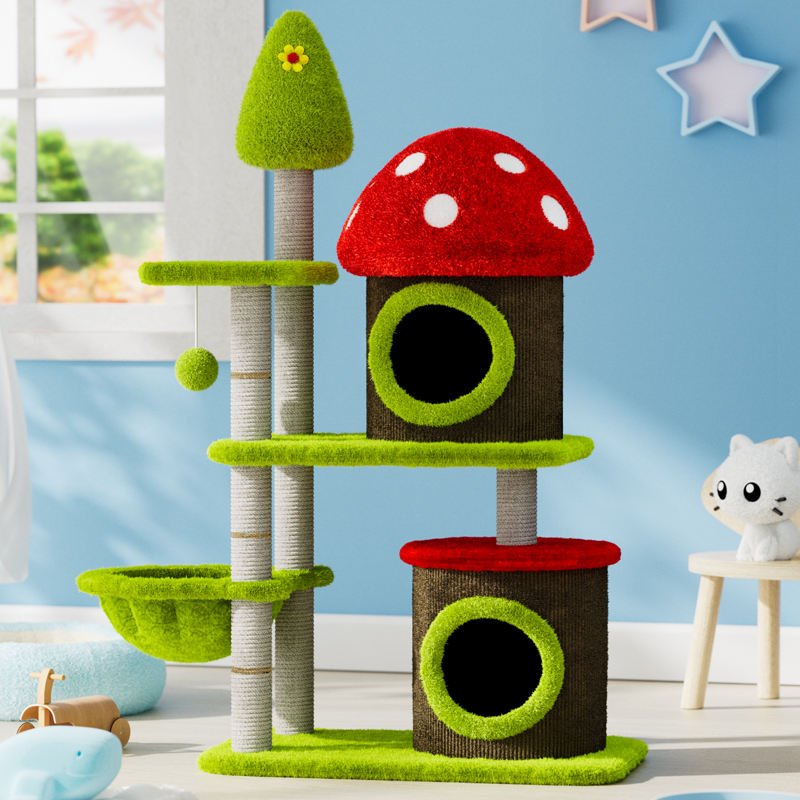
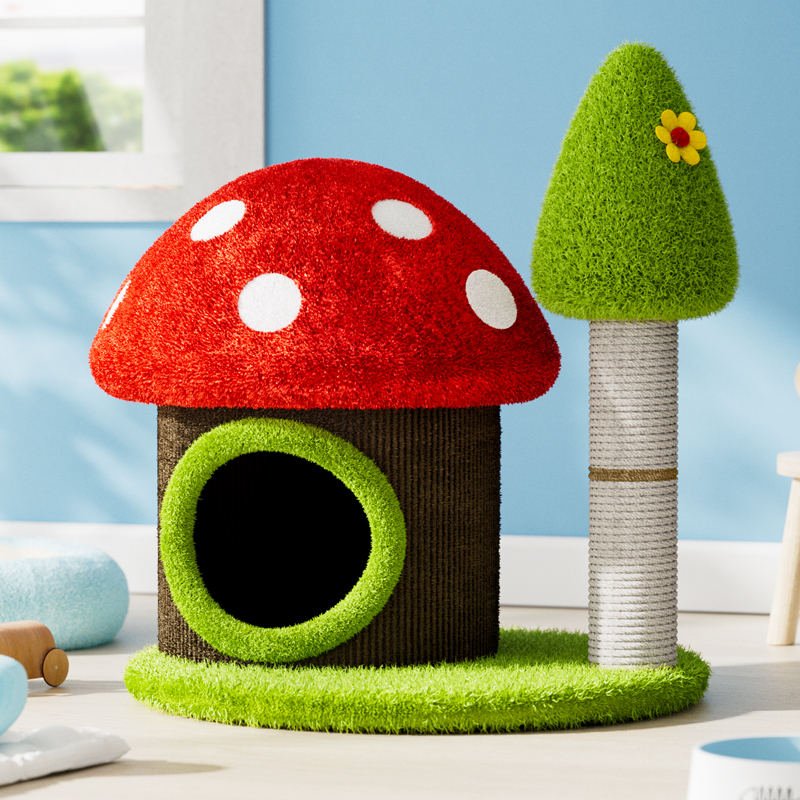
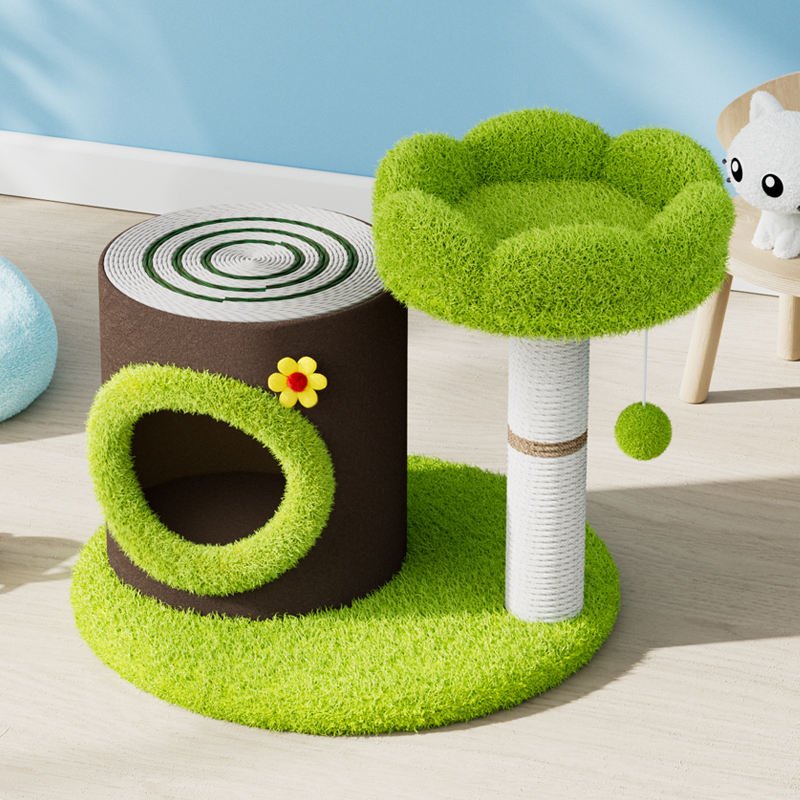
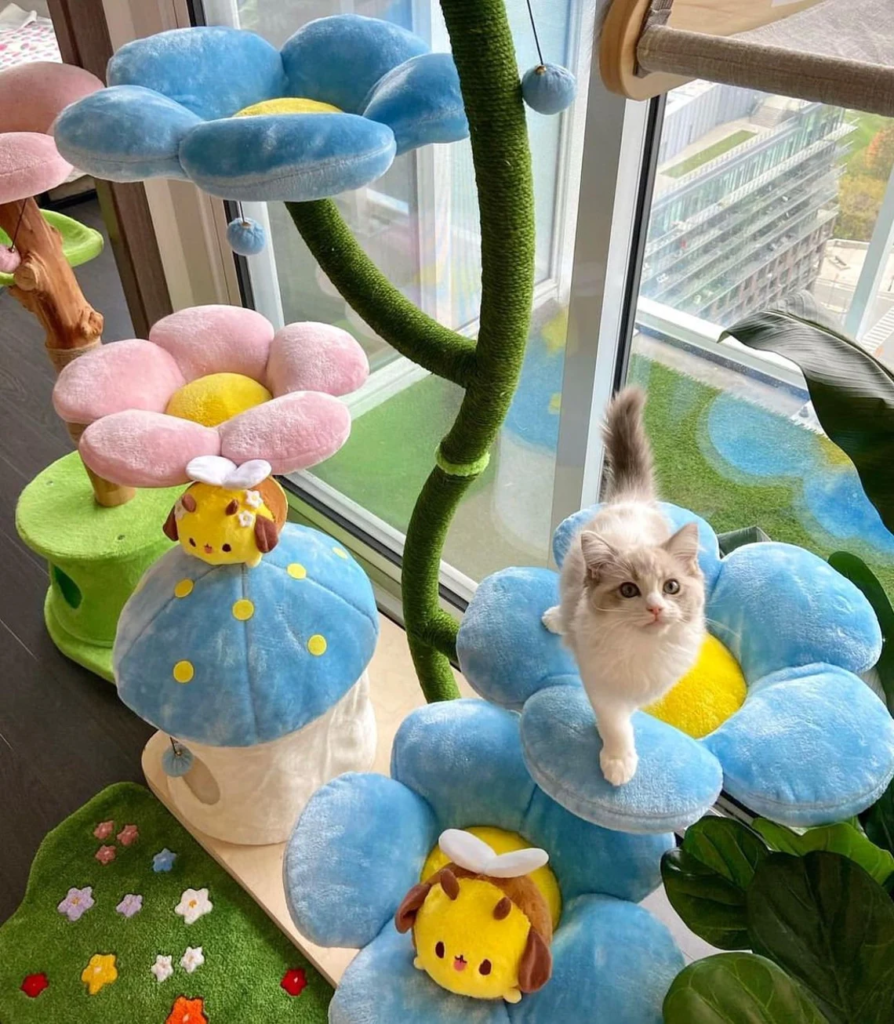
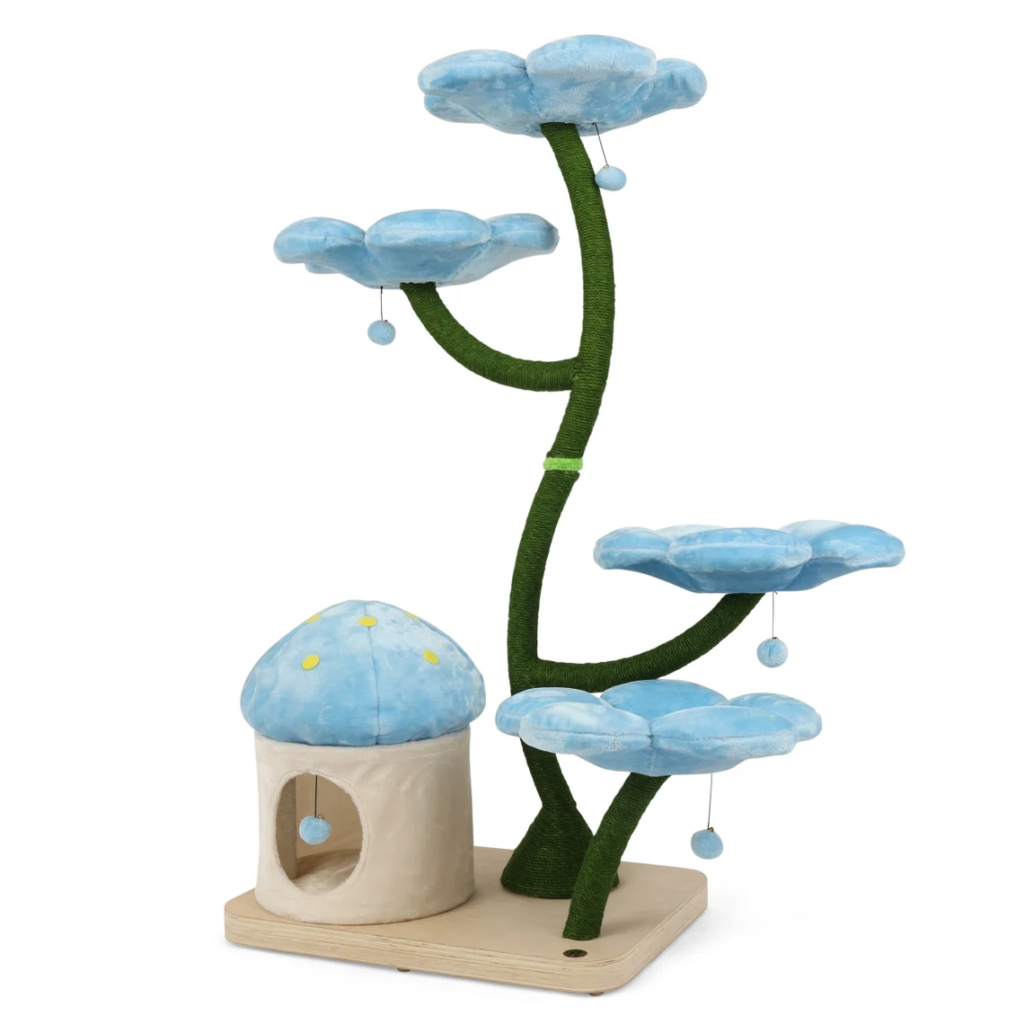
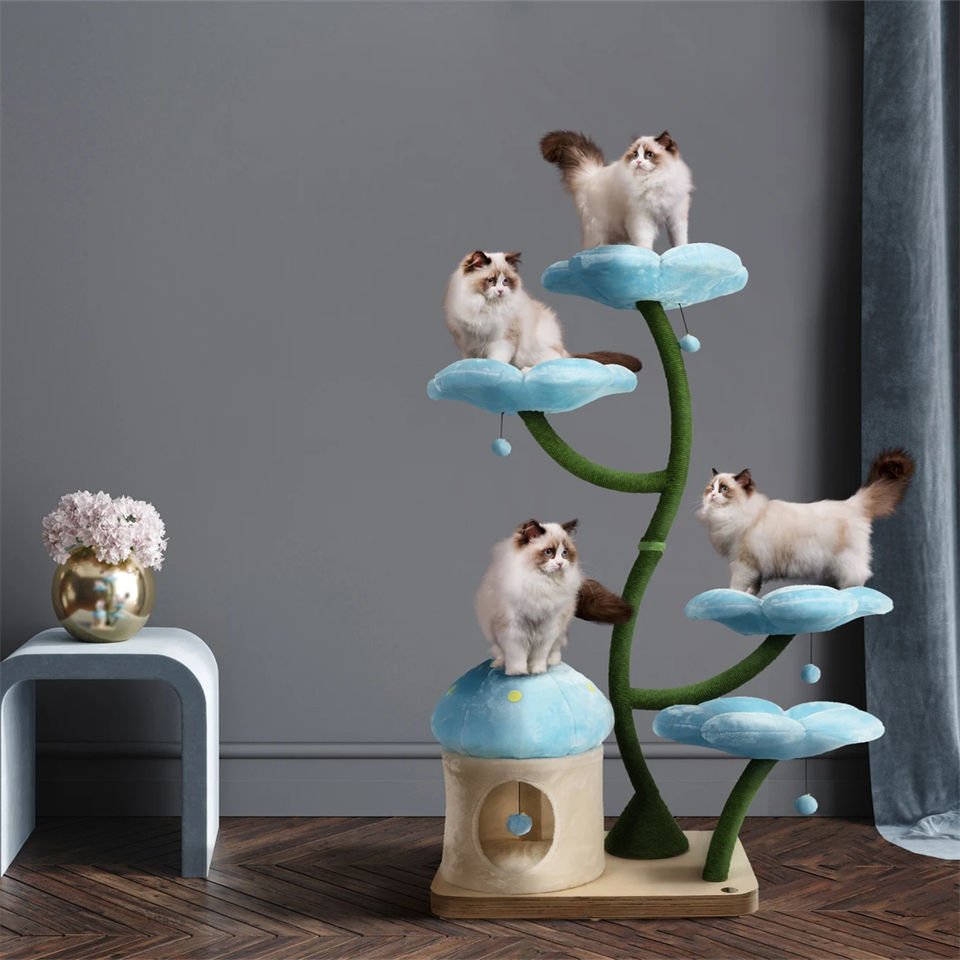
Cat furniture is one of the most challenging product categories to ship. A large cat tree can weigh 20 kilograms or more and occupy a significant volume. It is prone to damage during transit. And it is often sold online, which means it must survive the journey from a warehouse to a customer‘s home without the benefit of a retail store‘s careful handling.
For brands, the logistics and packaging of cat furniture are not just operational details. They directly affect cost, customer satisfaction, and return rates. A product that arrives damaged or is difficult to assemble will generate negative reviews, regardless of how well it is designed.
The Cost of Shipping Cat Furniture
Shipping costs for cat furniture are driven by two factors: weight and volume. Unlike small items that can be shipped in envelopes or small boxes, cat trees require large, heavy boxes. This makes them expensive to ship, especially for direct-to-consumer sales.
One way to reduce shipping costs is to design for disassembly. Modular cat trees that ship in multiple smaller boxes can be more cost-effective than fixed structures that require one large box. The smaller boxes are easier to handle and can be shipped through standard parcel networks rather than freight.
Another approach is to optimize the packaging dimensions. Every centimeter of empty space in a box adds to the dimensional weight, which carriers use to calculate shipping charges. Reducing empty space through better packaging design can lead to significant savings over time.
Protecting the Product During Transit
Cat furniture is susceptible to several types of damage during transit. Scratches on the board surfaces, broken hardware, and crushed boxes are all common. To reduce damage, packaging must be designed to protect the product from impact, vibration, and compression.
Corner protectors, foam inserts, and custom-molded packaging can all help. But these solutions add cost. The key is to find the right balance between protection and cost. Brands should test their packaging by shipping samples through the actual distribution network and inspecting them on arrival.
The Assembly Experience
For many cat furniture products, the customer must assemble the product after delivery. If the assembly process is difficult or the instructions are unclear, the customer experience suffers. This can lead to returns, negative reviews, and lost future sales.
Brands should invest in clear, well-illustrated assembly instructions. Where possible, they should design products that can be assembled with minimal tools. Pre-inserted hardware, labeled parts, and step-by-step videos can all improve the experience.
Reducing Returns
Returns are a major cost for online sellers of cat furniture. The product is large, so return shipping is expensive. And once returned, the product may not be resalable.
To reduce returns, brands should provide accurate product dimensions and clear images. Customers should know exactly what they are getting before they order. They should also have access to assembly instructions before purchase, so they can assess whether they are comfortable with the process.
What to Look For in a Manufacturing Partner
When sourcing cat furniture, brands should work with manufacturers who understand the logistics challenges. A good partner will offer packaging that is designed for shipping, not just for storage. They will provide clear assembly documentation. And they will be able to advise on how to reduce dimensional weight without compromising protection.
At the end of the day, cat furniture is a product that must survive a journey. The brands that master the logistics and packaging challenges will have a significant advantage in a competitive market.