
The freeze-dried pet food market is one of the fastest-growing segments in the pet industry. In 2025, the market was valued at approximately USD 785 million, and it is projected to grow at an impressive CAGR of 19.60%, reaching USD 2.75 billion by 2032. The broader frozen and freeze-dried pet food market reached USD 104.2 billion in 2025 and is expected to hit USD 113.51 billion in 2026.
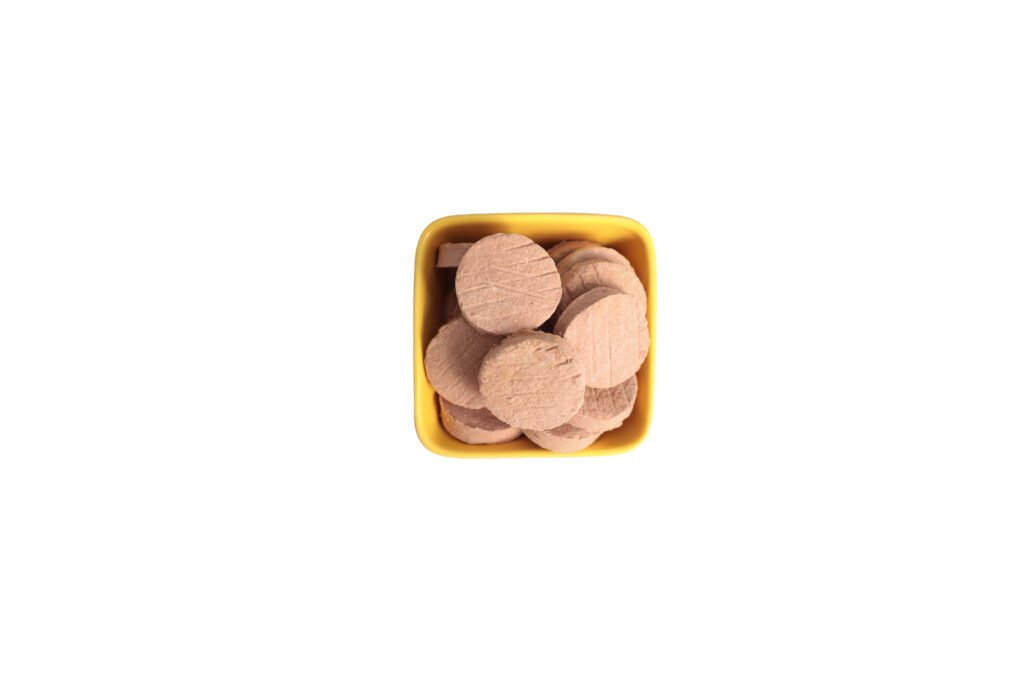
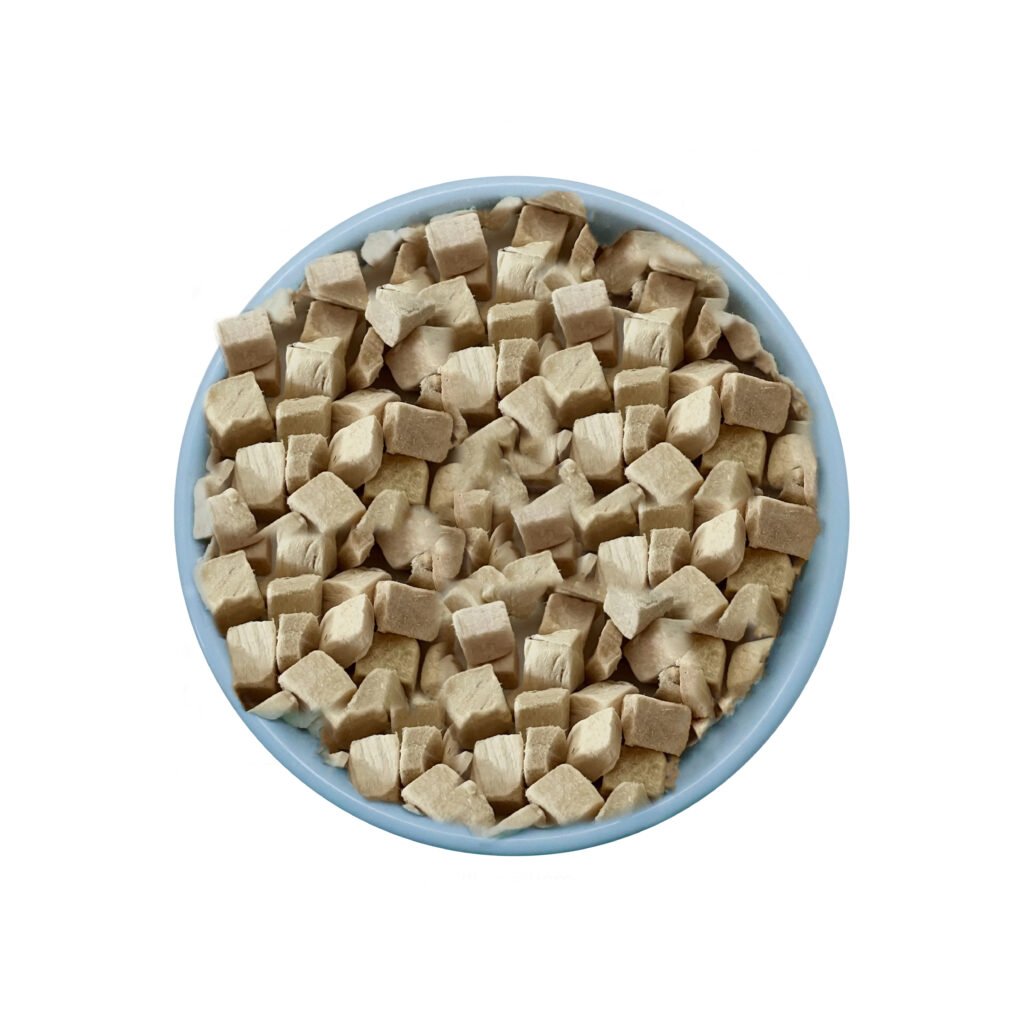
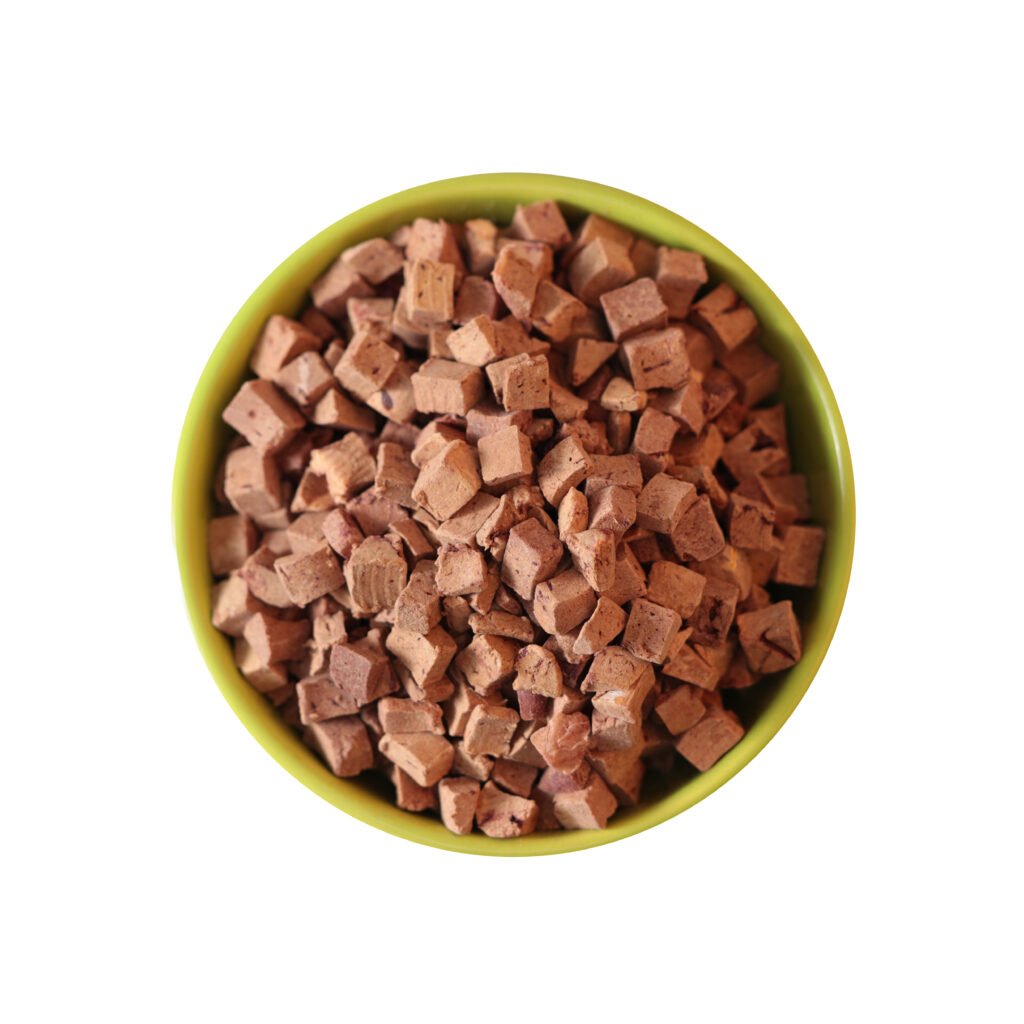
What’s driving this growth? Consumers are shifting toward premium, perceived-as-healthier formats, and flexible feeding has turned freeze-dried toppers and add-ons into a mainstream purchase pattern. Pet owners want minimally processed nutrition, but they also want convenience—and freeze-dried food delivers both.
But here’s what many brands overlook: not all freeze-dried pet food is created equal. The ingredient sourcing, manufacturing process, and quality control standards vary dramatically across manufacturers. This guide explains what premium pet owners actually look for—and what you need to deliver.
What Premium Pet Owners Want in 2026
Based on current market trends, premium freeze-dried pet food consumers prioritize:
- High-quality protein sources – Named proteins (chicken, salmon, beef) with clear sourcing information
- Minimal processing – Ingredients that are as close to their natural state as possible
- Nutritional transparency – Clear labeling of nutritional content and ingredient functions
- Convenience without compromise – Easy to feed, store, and transport
- Digestibility – Foods that are easy on their pet’s stomach
The freeze-drying process itself offers inherent advantages: it preserves the original flavor and aroma of the food, maintains nutrient integrity through low-temperature processing, and provides highly digestible nutrition.
If you’re sourcing freeze-dried pet food from a manufacturer, here are the key questions to ask:
- What is your ingredient traceability system? Can you trace every ingredient back to its source? Premium brands expect full transparency.
- What is your freeze-drying process? Different ingredients (chicken, salmon, liver) require different freeze-drying curves—temperature, vacuum pressure, and duration. A manufacturer with documented process controls for each ingredient type is more likely to deliver consistent quality.
- What food safety certifications do you hold? Look for manufacturers with recognized certifications that demonstrate commitment to food safety and quality management.
- How do you verify nutritional content? Does the manufacturer conduct in-house or third-party nutritional testing?
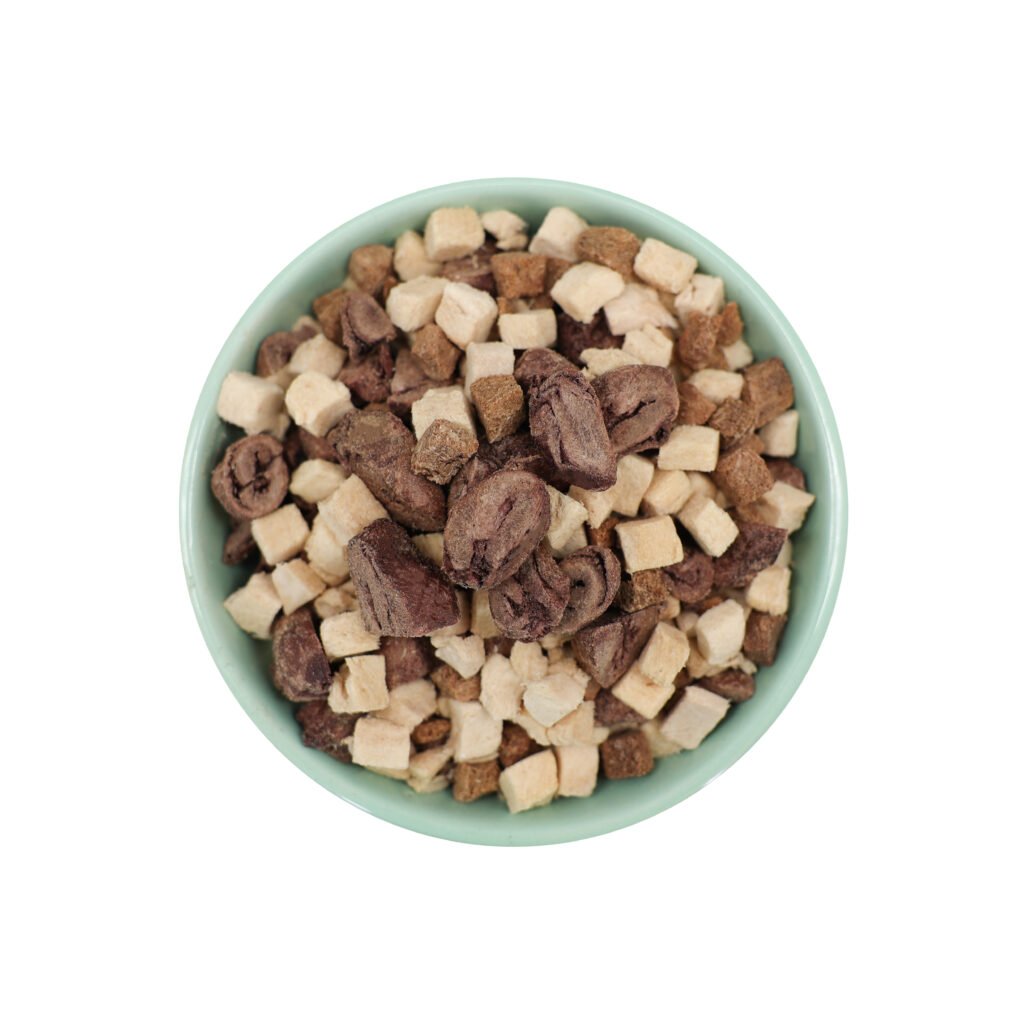
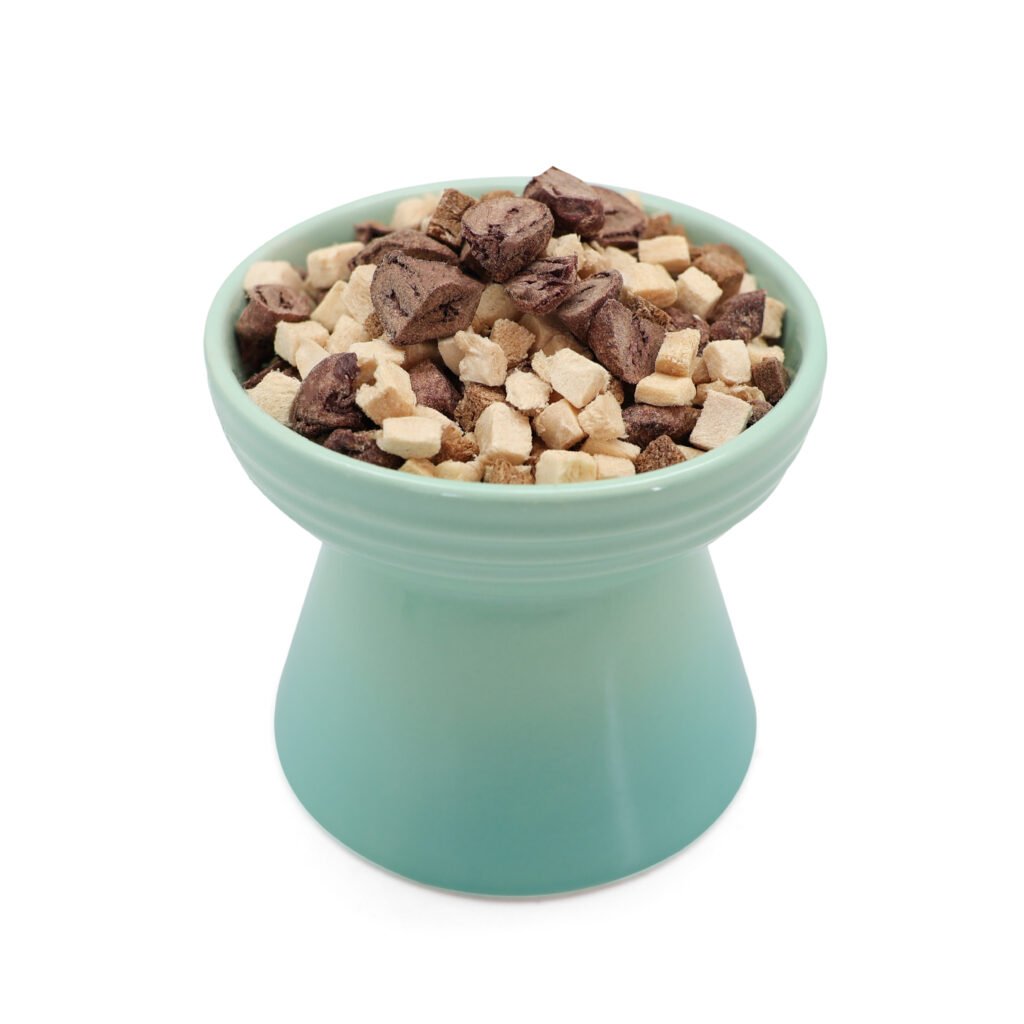
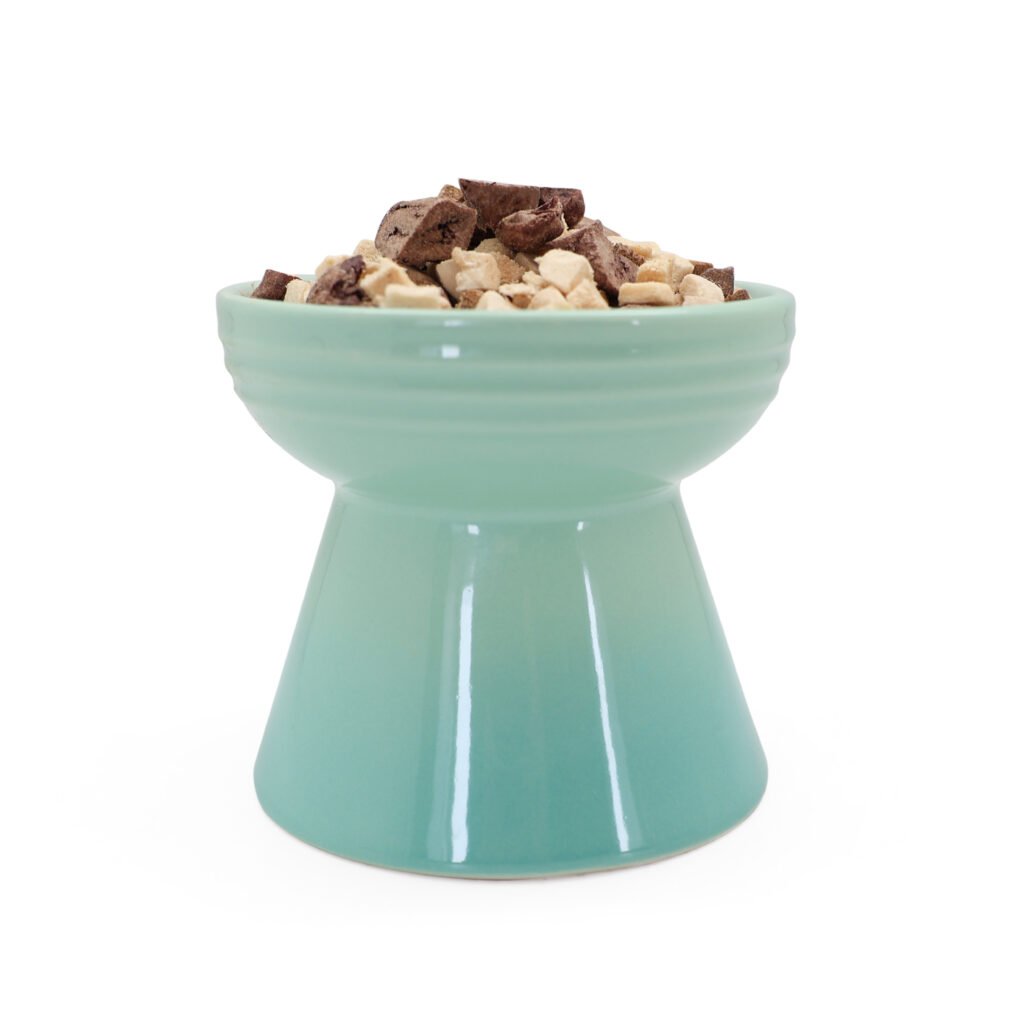
Nutritional Profile: What Matters Most
Freeze-dried pet food offers several nutritional advantages over traditional kibble:
- Higher nutrient retention – Low-temperature processing preserves heat-sensitive vitamins and enzymes that are destroyed during extrusion cooking
- Better digestibility – Since freeze-drying doesn’t affect the enzymes in the food, pets may have an easier time digesting it. Raw and freeze-dried recipes are more digestible than formats cooked at high heat
- High protein, low carbohydrate – Supports species-appropriate nutrition
- Preserved natural flavors – Freeze-drying maintains the original taste and aroma, making it highly palatable even for picky eaters
The industry outlook: As one industry expert noted, freeze-dried pet food will transition “from a specialty process to a standardized, scalable manufacturing model in the next five years”. This means both opportunity—and increasing competition—for brands entering this space.
Common Mistakes to Avoid
Mistake 1: Focusing only on protein content without considering ingredient quality. High protein from poor-quality sources is still poor-quality food. Premium consumers can tell the difference.
Mistake 2: Overlooking palatability. Even the most nutritious freeze-dried food won’t sell if pets won’t eat it. Palatability testing is essential.
Mistake 3: Underestimating the importance of packaging. Freeze-dried food is sensitive to moisture and oxygen. Packaging must provide adequate barrier protection to maintain product quality throughout its shelf life.
Mistake 4: Not educating consumers. Many pet owners don’t understand the benefits of freeze-dried food. Brands that invest in consumer education (feeding guides, ingredient explanations, nutritional comparisons) tend to build stronger customer loyalty.