
In the pet food aisle, it is common to see products marketed for “dogs and cats.” While a generic meat treat might be fine for both, when it comes to complete and balanced freeze-dried diets, this approach is fundamentally flawed.
Biologically, cats and dogs are very different animals. Dogs are facultative carnivores, meaning they can survive on a diet that includes plant matter. Cats are obligate carnivores, meaning their bodies are designed to process only animal-based nutrients. A freeze-dried diet formulated for a dog will likely lack critical nutrients for a cat, and a diet formulated for a cat will not provide the right macronutrient balance for a dog.
For brand owners, understanding these differences is essential to developing safe and effective products.
The Feline Requirement: Nutrients from Meat Only
Because cats are obligate carnivores, they have highly specific nutritional requirements that cannot be met by plants.
Taurine is the most critical example. Cats cannot synthesize taurine in their bodies; they must get it from animal tissue. A deficiency in taurine can lead to dilated cardiomyopathy (a serious heart condition) and blindness. In freeze-dried food, the taurine content must be carefully managed and preserved, as the freeze-drying process can affect its stability.
Arachidonic acid is another essential fatty acid that cats cannot produce on their own. They must get it directly from animal fats.
Vitamin A is another difference. Dogs can convert beta-carotene from plants into Vitamin A. Cats cannot; they require pre-formed Vitamin A from animal liver.
Therefore, a freeze-dried diet for cats must be heavily meat-based (high protein, moderate fat, very low carbohydrate) and fortified with these specific animal-derived nutrients.
The Canine Requirement: Balance and Flexibility
Dogs are more metabolically flexible. While they thrive on a meat-rich diet, they have evolved to digest carbohydrates and produce certain nutrients (like Vitamin A and taurine) from precursors in their food.
However, dogs still have specific needs. Large breed puppies require a careful balance of calcium and phosphorus to ensure proper bone growth. Active adult dogs require higher fat content for energy. Freeze-dried diets for dogs can be formulated with a wider variety of ingredients, including fruits, vegetables, and grains, provided the overall macronutrient profile is balanced.
Why “For Dogs and Cats” Can Be Problematic
A product labeled for both dogs and cats is usually formulated to meet the minimum requirements of a cat, because cats have the stricter requirements. However, this often means the food is heavily skewed towards feline needs (very high protein and fat).
For a dog with a sensitive stomach or a sedentary lifestyle, a diet this rich can cause digestive upset or excessive weight gain. Conversely, if a product is formulated primarily for a dog, it might not meet the essential taurine or arachidonic acid levels a cat requires for survival.
What Brand Owners Should Do
If you are developing a freeze-dried line, you should strongly consider creating separate recipes for dogs and cats.
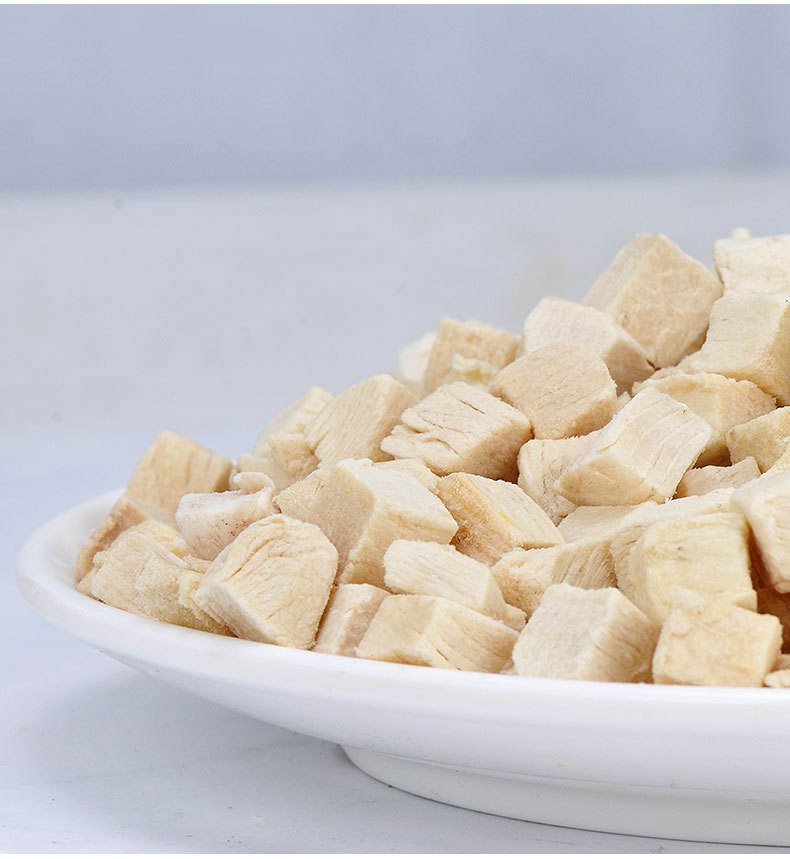
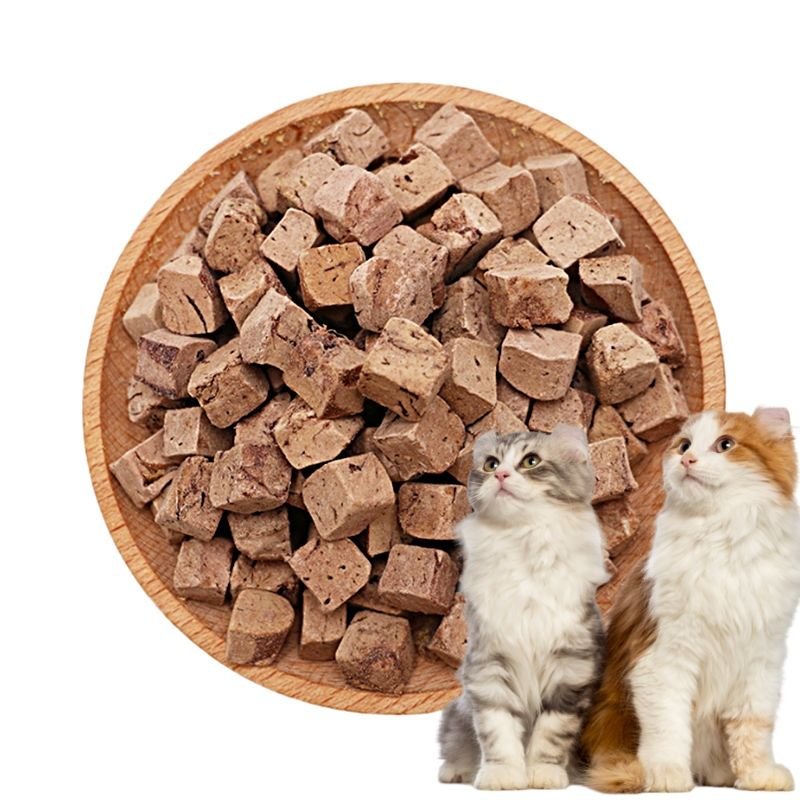
For your feline line, focus on single-ingredient organ and muscle meats (like chicken heart, liver, and thigh) to naturally deliver the required nutrients, and use a veterinary nutritionist to verify that final levels of taurine and arachidonic acid are sufficient.
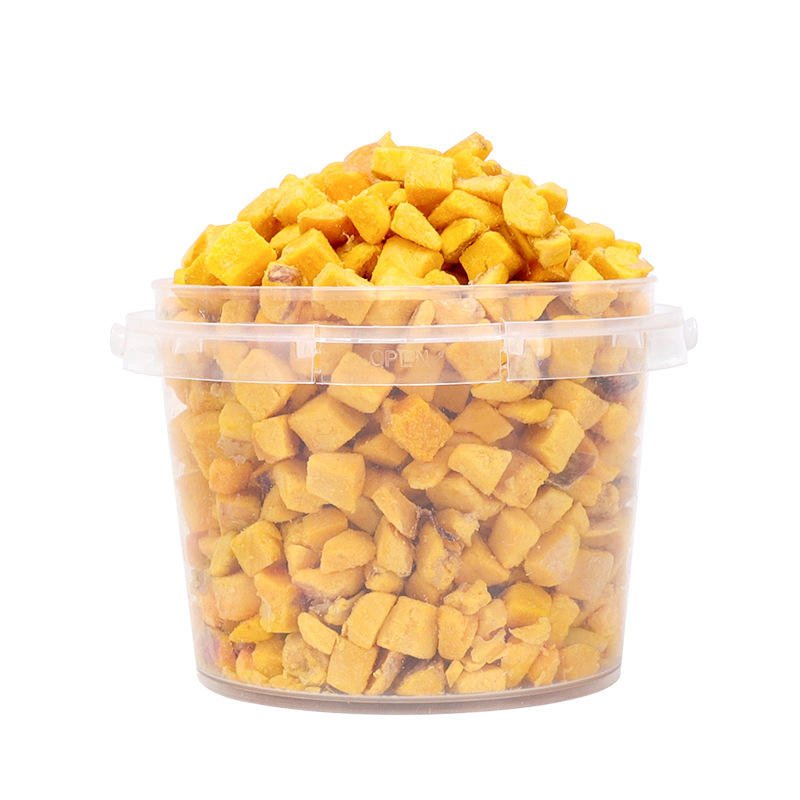
For your canine line, you have more flexibility. You can create diverse formulas with different protein sources and even include small amounts of fiber-rich plant matter (like pumpkin or sweet potato) to support digestion.
By recognizing the distinct biological requirements of these two species, you can build products that not only claim to be complete and balanced but actually deliver the nutrition your customers’ specific pets need to thrive.