
Cat furniture is a significant investment for pet owners. A high-quality cat tree can cost hundreds of dollars and is expected to last for years. But like any furniture, it requires maintenance to stay safe, functional, and appealing to the cat.
Many brands focus their marketing on the initial purchase the design, the materials, the features. But the relationship with the customer does not end at the point of sale. In fact, the after-sales experience can be one of the most powerful drivers of customer loyalty and repeat business.
Why Maintenance Matters
Cats are hard on furniture. They scratch, climb, jump, and sleep on their cat trees every day. Over time, this wear and tear can compromise the product’s safety and appearance.
The most common maintenance issues include:
Worn sisal rope on scratching posts. When the rope frays or comes loose, cats may lose interest in the post or, worse, ingest loose fibers.
Loose or wobbly platforms. Connections can loosen over time, creating a safety hazard.
Fabric wear and tear. Cushions and covering fabrics can become worn, dirty, or torn.
Hardware looseness. Screws and bolts can work loose with regular use.
Odor and hygiene. Fabrics can absorb odors and become a breeding ground for bacteria if not cleaned regularly.
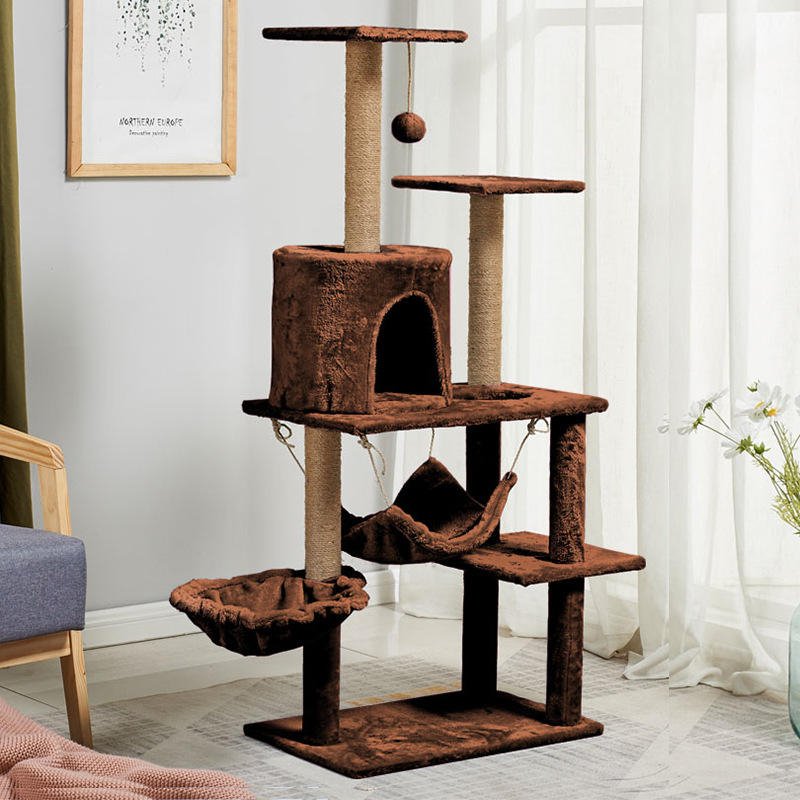
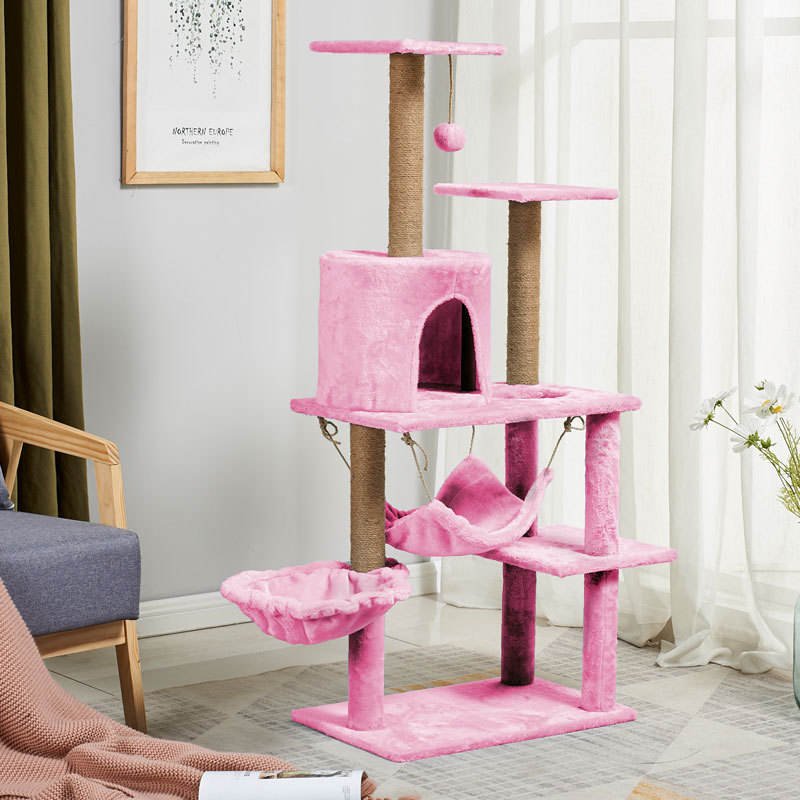
How Brands Can Support Maintenance
There are several ways brands can help customers maintain their cat furniture and, in the process, build stronger relationships.
Include a maintenance guide with every product. A simple, illustrated guide that explains how to inspect for wear, tighten hardware, clean fabrics, and replace worn parts can go a long way. Many customers do not know what to look for or how to maintain their cat tree properly.
Offer replacement parts. This is one of the most valuable after-sales services a brand can provide. Sisal rope, scratching posts, platforms, and hardware can all wear out. If customers can easily order replacement parts, they can extend the life of their cat tree rather than replacing the entire product. This is also a recurring revenue opportunity for the brand.
Provide cleaning recommendations. Different fabrics require different cleaning methods. Brands should provide clear guidance on how to clean their specific materials without causing damage. This helps customers keep the product hygienic and extend its lifespan.
Create video tutorials. A short video showing how to replace a scratching post, tighten hardware, or clean a specific fabric can be more effective than written instructions. These videos can be hosted on the brand’s website or social media channels.
Offer a warranty and stand behind it. A clear warranty that covers manufacturing defects, and a responsive customer service team that honors it, builds trust. Customers who feel supported after the sale are more likely to buy from the brand again and to recommend it to others.
Turn Maintenance into a Loyalty Driver
After-sales support is not just about solving problems. It is an opportunity to engage with customers and build a relationship.
A brand that sends a follow-up email a few weeks after purchase, asking if the customer has any questions about assembly or maintenance, demonstrates that it cares. A brand that offers a discount on replacement parts to returning customers rewards loyalty. A brand that shares customer photos of cats enjoying their cat trees builds a sense of community.
These small touches can turn a one-time purchase into a long-term relationship. In a competitive market, that relationship is often what sets one brand apart from another.
What Brands Should Consider
If you are sourcing cat furniture for your brand, think about the after-sales experience from the beginning.
Design for maintainability. Products that are easy to disassemble and reassemble are easier to maintain. Replaceable components should be designed for easy swapping.
Source quality materials. High-quality sisal, durable fabrics, and sturdy hardware reduce the frequency of maintenance issues.
Plan for replacement parts. From the beginning, establish a supply chain for replacement components. This ensures that customers can get the parts they need when they need them.
Invest in customer support. A responsive support team that can answer questions about assembly, maintenance, and replacement parts is essential. The cat furniture market is growing, and competition is increasing. Brands that focus only on the initial sale will struggle to differentiate themselves. Brands that build a reputation for quality, support, and customer care will be the ones that earn lasting loyalty.