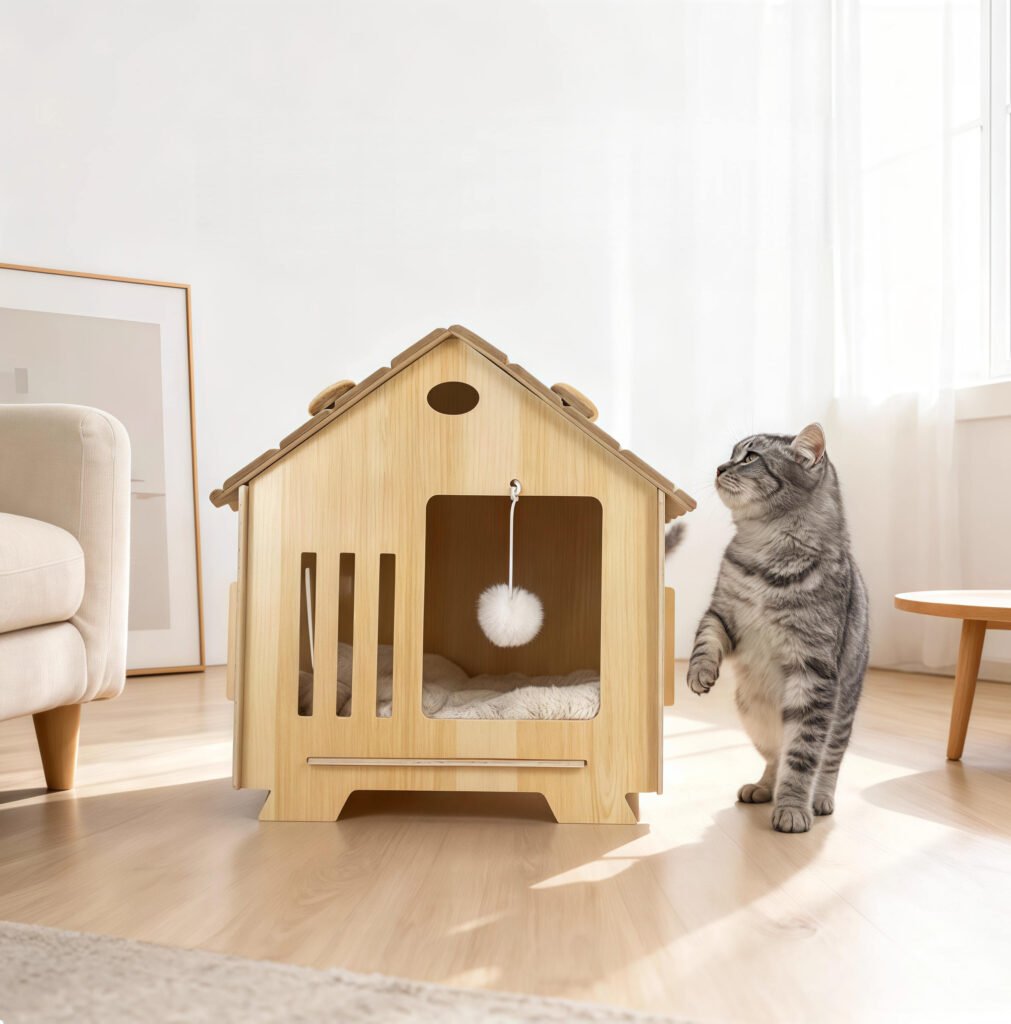
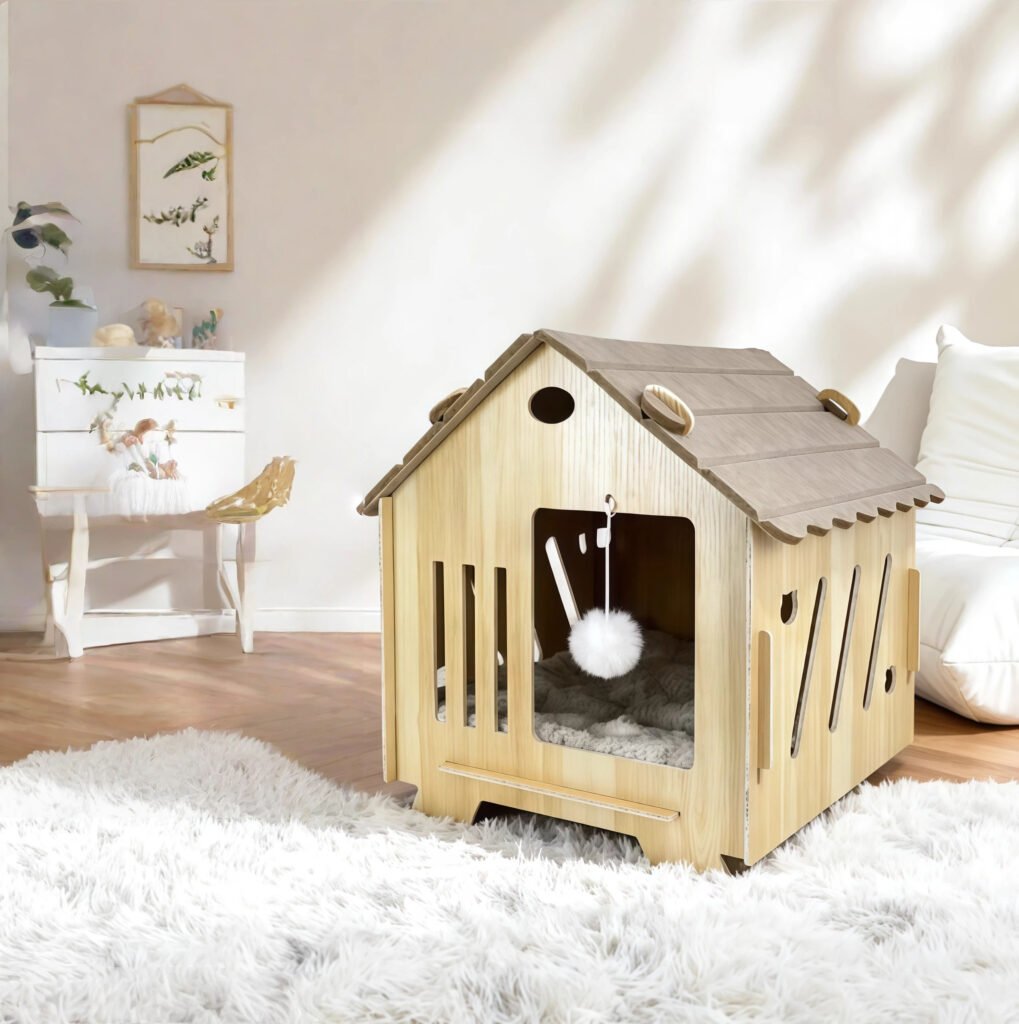
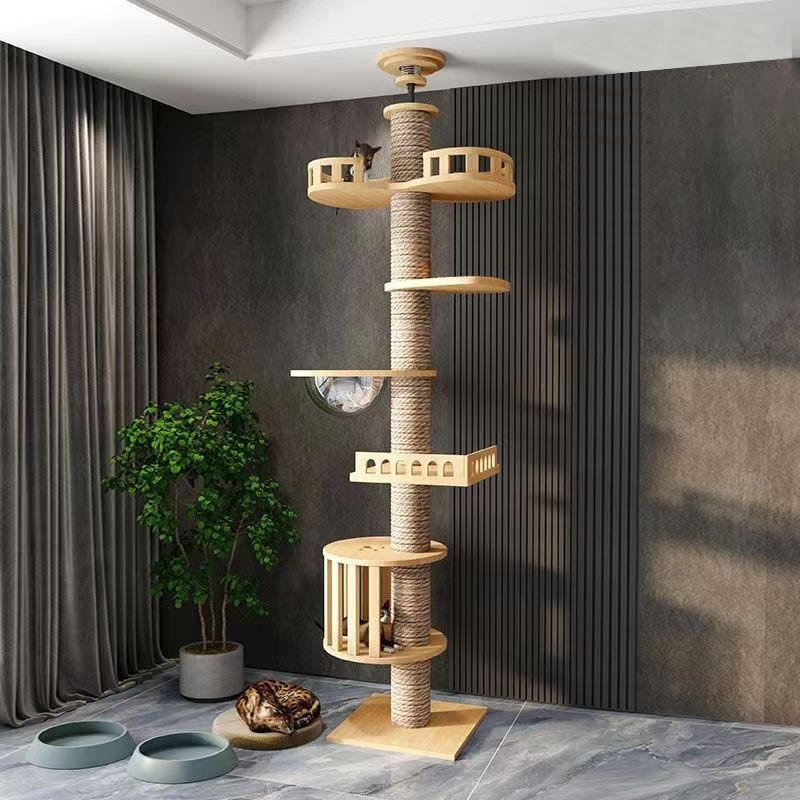
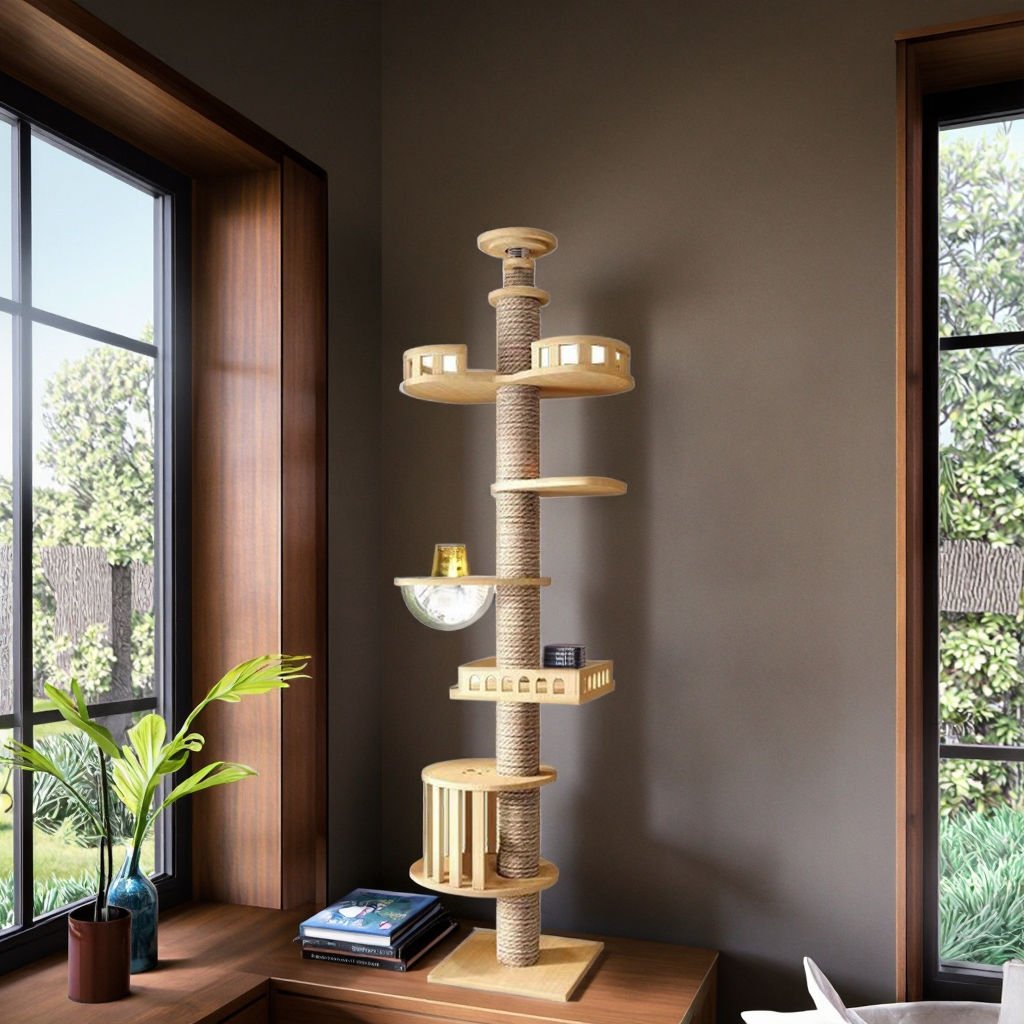
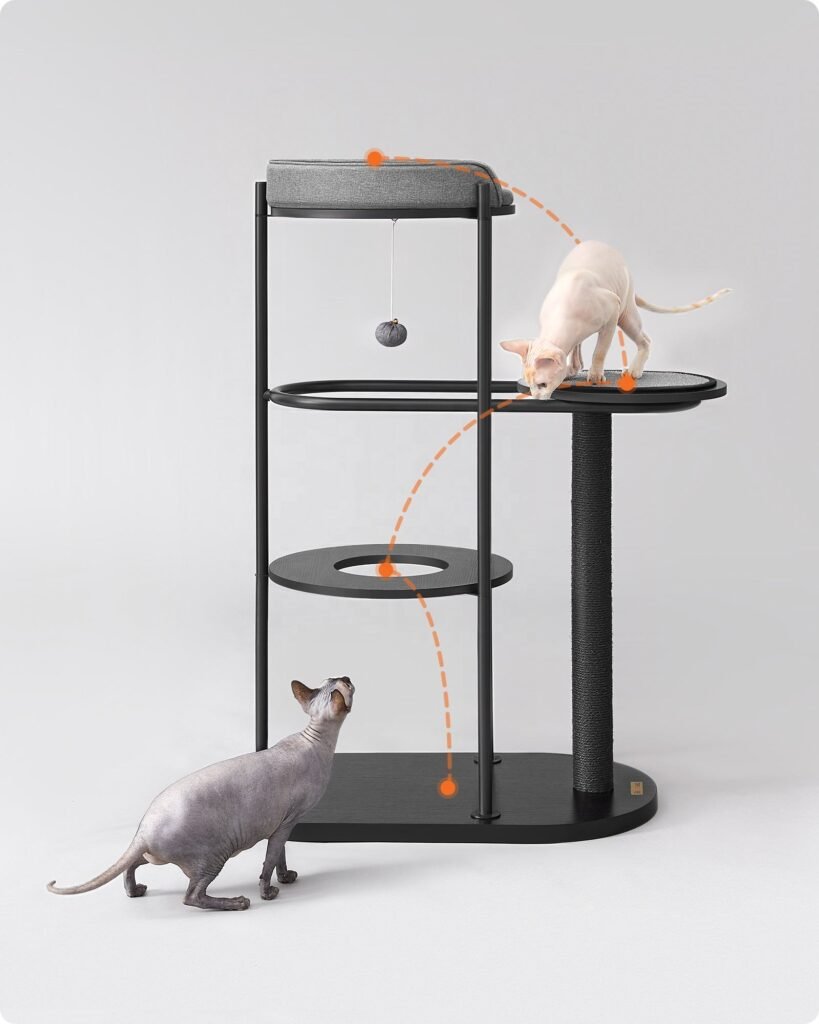
The cat furniture market is undergoing a significant transformation. Consumers are moving away from bulky, floor-standing cat trees toward wall-mounted climbing systems, modular configurations, and furniture that integrates with their home decor. The numbers tell the story: in the past three months alone, searches for “cat scratching board wall stickers” on Tmall have grown by over 600 percent, and sales of “space-saving cat trees” have increased by nearly 100 percent year-over-year.
This article examines the trends driving the growth of wall-mounted and modular cat systems and what brand owners need to consider when entering this rapidly expanding segment.
Why Wall-Mounted Systems Are Gaining Traction
The growth of wall-mounted cat furniture is driven by a simple reality: urban homes are shrinking, but the number of indoor cats continues to rise. Pet owners love their cats but refuse to sacrifice precious floor space for oversized cat towers.
Wall-mounted systems offer a solution. They use vertical space rather than floor space, making them ideal for small apartments and urban homes. They also align with cats‘ natural behavior: cats seek height for observation, safety, and territory marking. Wall-mounted climbing paths and ceiling-height scratching poles provide this vertical access more completely than freestanding structures.
The trend is not limited to cat trees. Cat scratching boards are moving onto walls, cat trees are becoming wall-mounted components, and cat beds are being embedded into side tables. The entire category is moving upward literally.
Modular Systems: Flexibility and Longevity
Beyond wall-mounted designs, modular cat furniture is gaining significant traction. Unlike fixed cat trees, modular systems consist of individual components — platforms, scratching posts, hideaways, and connectors that can be assembled, reconfigured, and expanded over time.
The modular approach solves a common frustration: cats destroy one section of a cat tree, but the entire structure should not need replacing. Replaceable panels and components allow the owner to refresh the product without buying an entirely new cat tree. This appeals to both sustainability-conscious consumers and those with limited budgets.
Modular systems also offer flexibility for multi-cat households. Owners can expand the system as they add more cats, or reconfigure the layout when they move to a new home. The flexibility extends to aesthetics: components can be mixed and matched to suit different interior styles.
The Aesthetic Shift: From Pet Tool to Home Furniture
One of the most significant trends in the cat furniture market is the shift in consumer expectations. Pet furniture is no longer judged solely on functionality it is judged on aesthetics, materials, and how well it integrates with home decor.
A 2026 white paper on pet home trends found that over 60 percent of consumers prefer integrated, invisible designs that blend pet furniture with home furnishings. Nearly 40 percent are willing to pay a premium for smart functionality and space-efficient design.
For wall-mounted and modular systems, this means that aesthetics are as important as function. Products with clean lines, neutral colors, and materials that complement home interiors will have a significant advantage. Products that look like traditional pet furniture will be left behind.
Sustainability and Modularity: A Natural Fit
Sustainability is increasingly important in the cat furniture category. A notable share of German cat owners are willing to pay 10 to 20 percent more for eco-labeled products, including those made with certified wood and recycled sisal.
Modular systems made from bamboo, recycled felt, and replaceable scratching panels align perfectly with this sustainability trend. They reduce waste by allowing owners to replace worn components rather than discarding the entire structure. They also use materials that are more sustainable than traditional particleboard and synthetic carpet.
For brand owners, this means sustainability can be a selling point, not just a compliance requirement. Products that are modular, durable, and made from sustainable materials can command premium pricing and build stronger customer loyalty.
What Brand Owners Should Consider
If you are considering entering the wall-mounted or modular cat furniture market, here are the key factors to work through.
First, think about installation. Wall-mounted systems require mounting hardware and clear installation instructions. Products that are difficult to install will be returned or not purchased at all.
Second, prioritize stability. Wall-mounted systems must be secure enough to support the weight of an active cat. Thorough testing and robust hardware are essential.
Third, design for modularity. Components should be compatible with each other and easy to replace. Customers who can expand and reconfigure their system will be more satisfied and more likely to purchase additional components.
Fourth, consider the aesthetic. Wall-mounted systems are visible in the home. Products that look good and complement room decor will have a significant advantage over those that look like traditional pet furniture.
Fifth, communicate the space-saving benefit. For urban consumers, the ability to provide enrichment without sacrificing floor space is a key selling point. Make this benefit clear in your marketing.
The wall-mounted and modular cat furniture segment is the fastest-growing part of the category. Brands that understand the drivers of this growth and design products that meet the needs of urban consumers will be well-positioned to capture a significant share of this expanding market.