
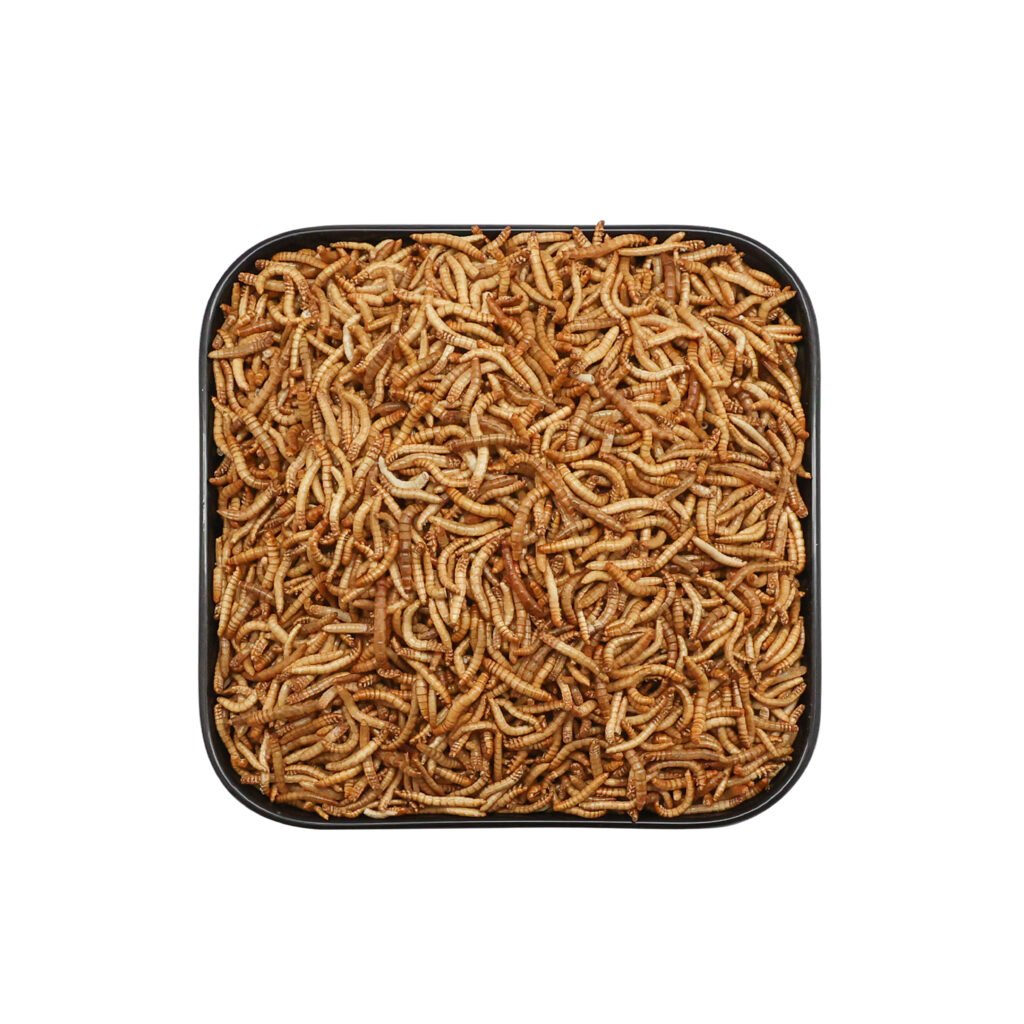
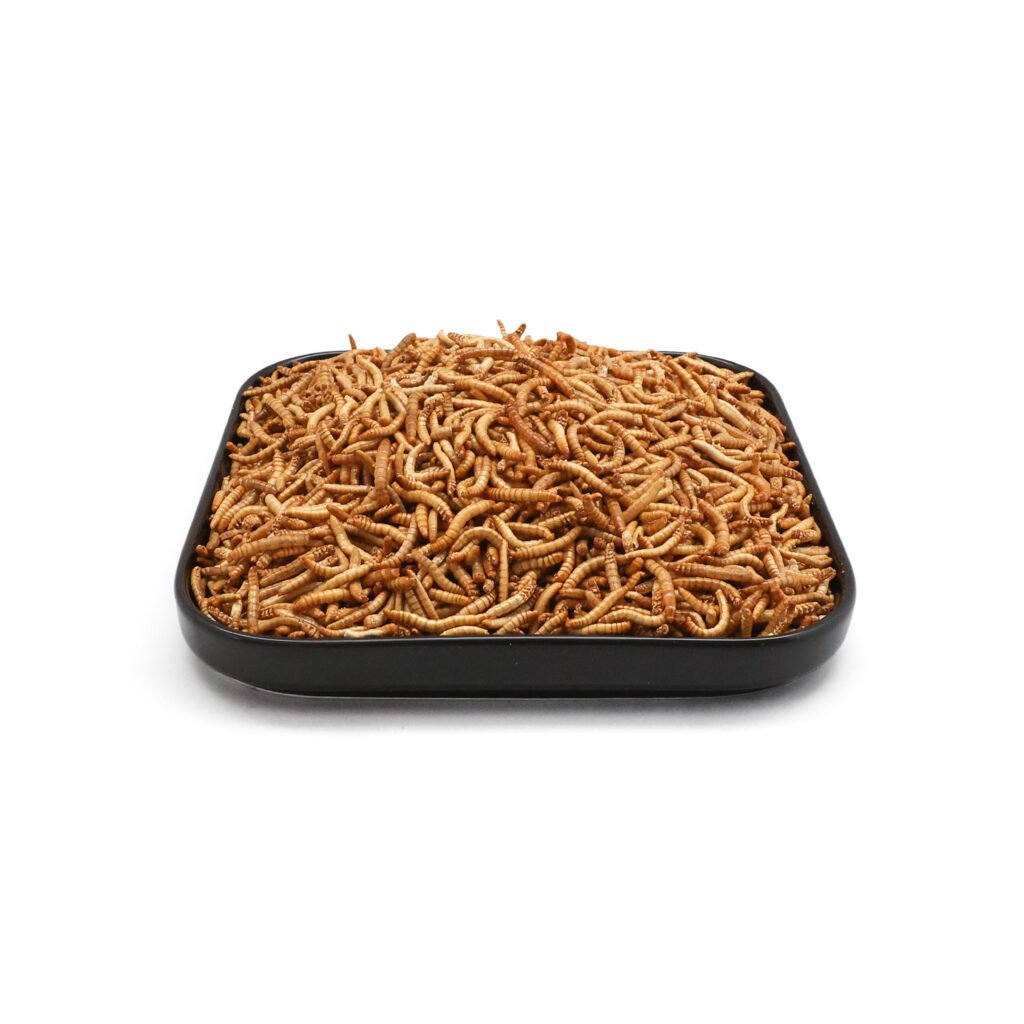
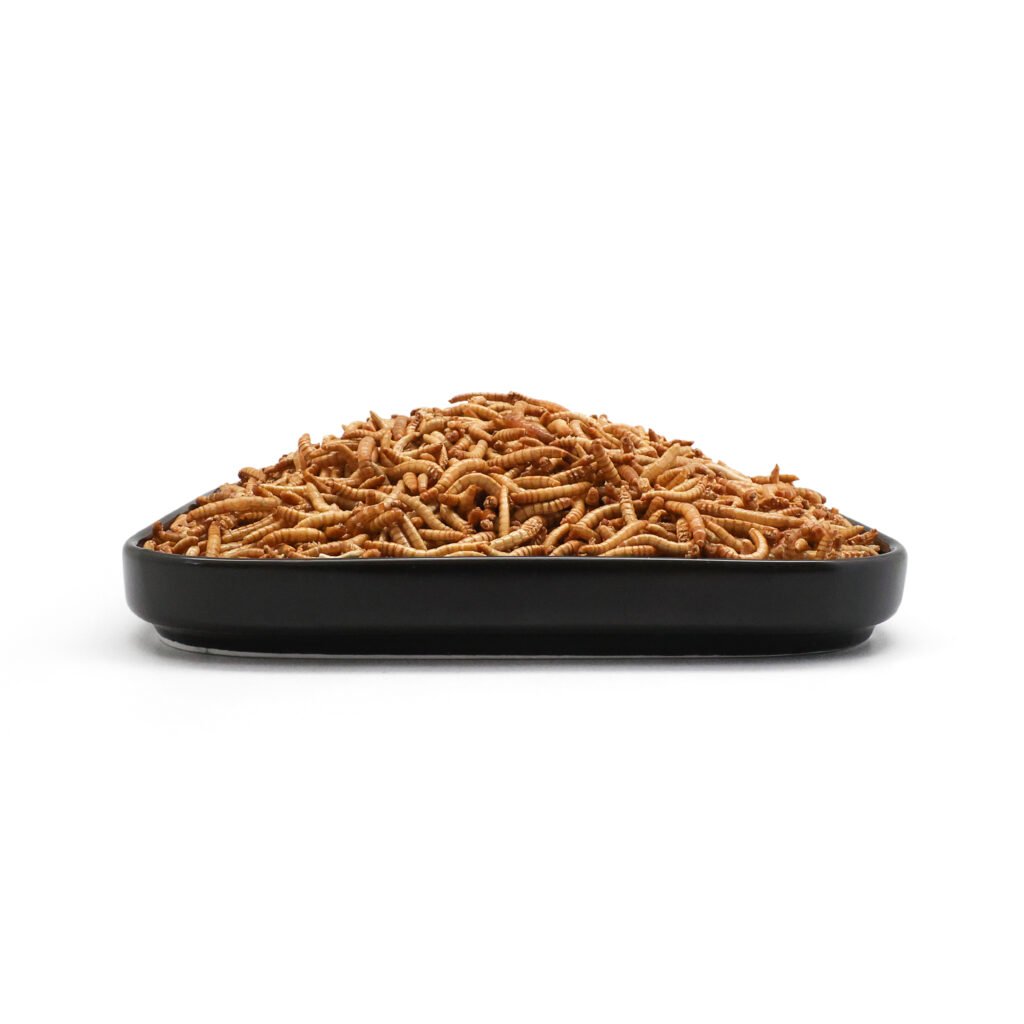
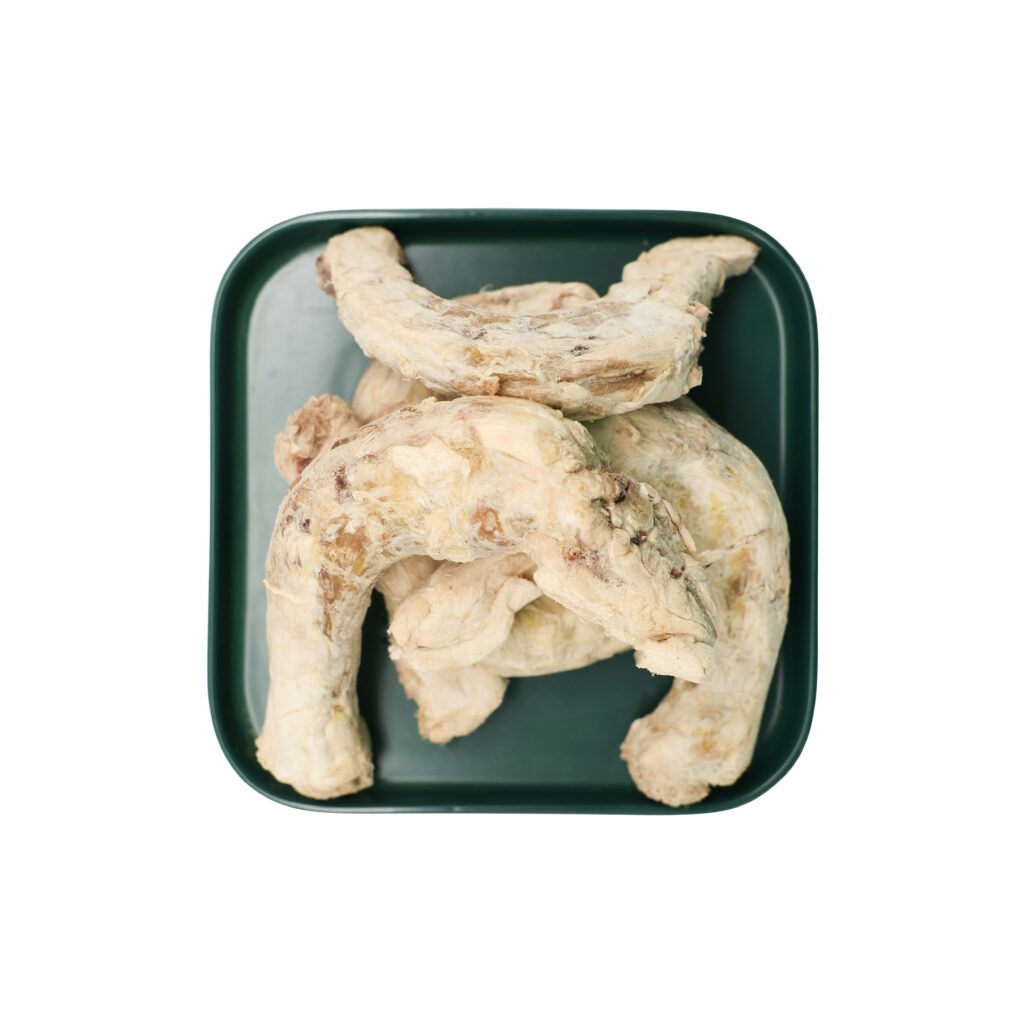
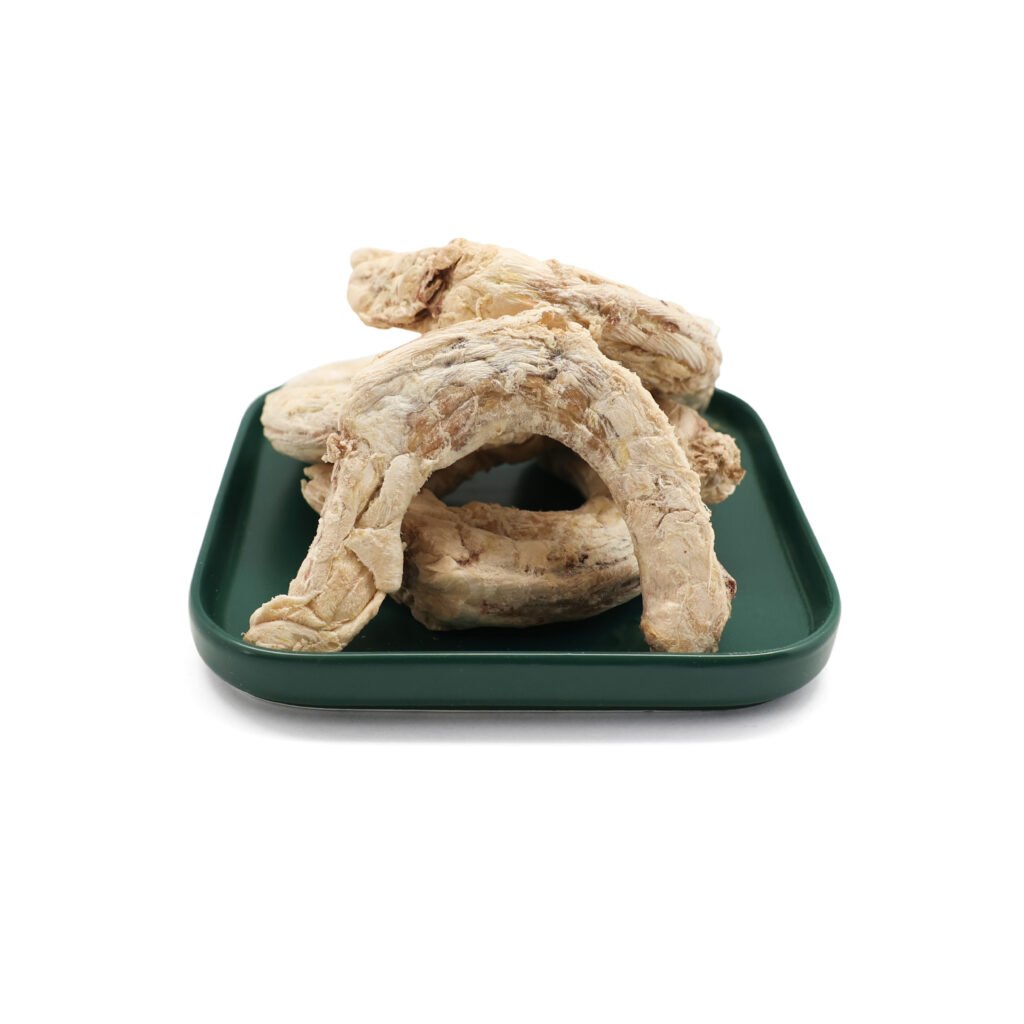
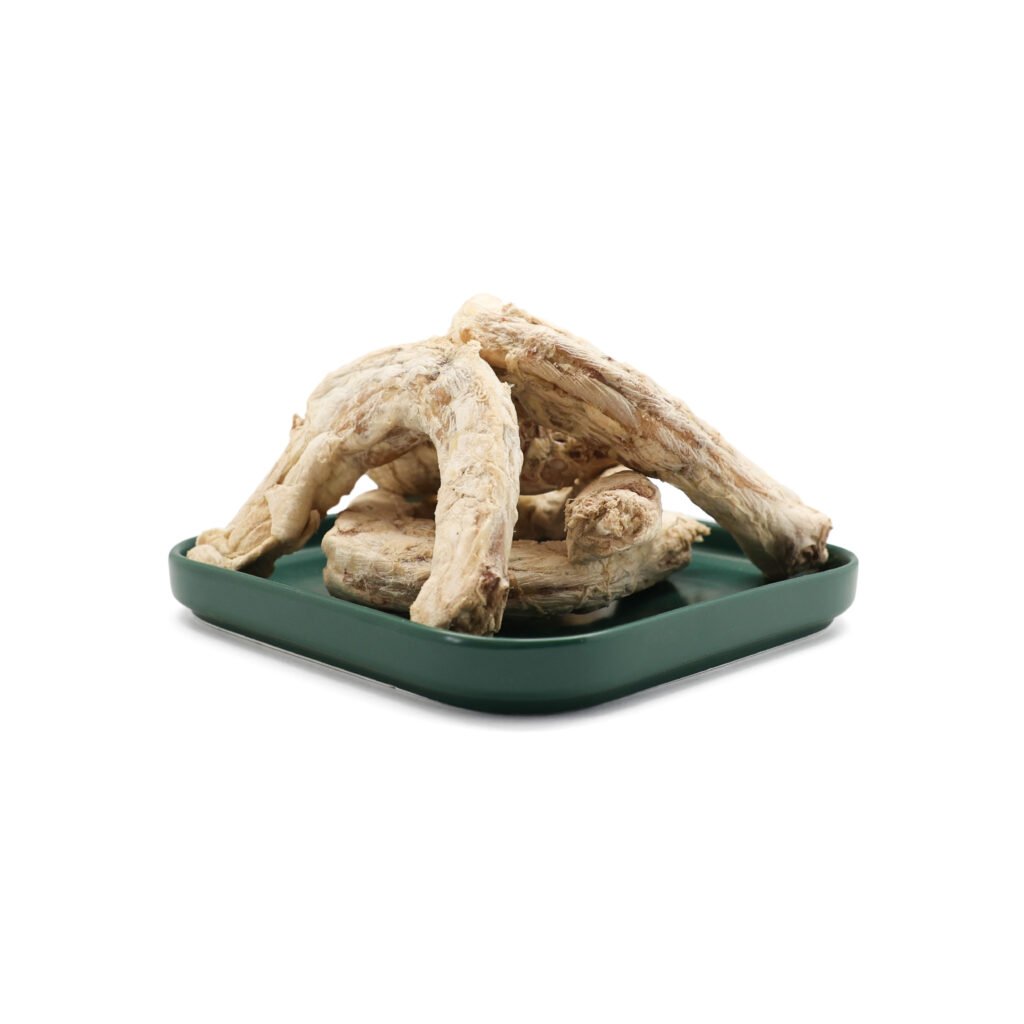
Food allergies in pets are becoming more common. Pet owners are increasingly aware of the signs: itching, digestive upset, ear infections, and skin problems. For many pets, the solution is a limited ingredient diet or a novel protein diet. Freeze-dried pet food is often recommended because it can be made with a single protein source and minimal ingredients.
But for brands, offering allergen-friendly products comes with a responsibility. If a freeze-dried product is labeled as “chicken-free” or “single-protein,” the consumer expects that it contains no chicken and has not been cross-contaminated with chicken. Meeting that expectation requires careful management of the entire production process.
Why Allergen Management Matters
For pets with severe food allergies, even trace amounts of an allergen can trigger a reaction. A pet with a chicken allergy that eats a treat containing trace amounts of chicken may experience vomiting, diarrhea, or skin flare-ups. For the pet owner, this is not just inconvenient, it is distressing. And for the brand, it erodes trust.
In some markets, allergen labeling is regulated. The US Food and Drug Administration (FDA) and the European Union have specific requirements for how allergens must be declared on pet food labels. Even where labeling is not strictly regulated, consumers increasingly expect transparency and accuracy.
Sources of Cross-Contamination
Cross-contamination can occur at multiple points in the production process.
The most obvious source is shared equipment. If the same freeze-dryer, trays, or mixing equipment is used for chicken and then for a fish-based product, trace amounts of chicken protein can carry over. Cleaning alone may not be sufficient if the equipment is not designed for easy and thorough sanitation.
Another source is shared production space. Airborne particles from one production line can settle on another. This is particularly relevant for powders, which can become airborne during handling.
Ingredients themselves can also be a source. A supplier that handles multiple proteins may inadvertently introduce cross-contamination during processing or packaging. This is why ingredient sourcing and supplier verification are critical.
How to Prevent Cross-Contamination
Preventing cross-contamination requires a systematic approach. Here are the key steps.
Dedicated production lines or equipment. The most reliable way to prevent cross-contamination is to use dedicated equipment for allergen-free products. This is expensive, but it is the gold standard. For brands that cannot dedicate entire lines, dedicated trays, utensils, and mixing vessels can reduce risk.
Scheduling and cleaning protocols. If shared equipment must be used, production scheduling should be planned so that allergen-free products are produced first, before allergen-containing products. Between runs, equipment should be thoroughly cleaned and verified. Cleaning validation, testing surfaces for allergen residues after cleaning, is a strong practice.
Supplier management. Brands should work with ingredient suppliers who understand allergen management and can provide documentation of their own controls. For single-protein products, the protein source should come from a dedicated facility or a supplier with verified segregation practices.
Testing and verification. Finished products should be tested for the presence of allergens, especially for products labeled as “free from” a specific allergen. Testing can be done using ELISA kits or other methods. While testing every batch may be cost-prohibitive for small brands, periodic testing as part of a verification program is recommended.
Labeling and communication. Labels should be accurate and clear. If a product is made on shared equipment, that should be disclosed if there is a risk of cross-contamination. Some brands choose to include a statement like “Made in a facility that also processes chicken.” This transparency builds trust and helps consumers make informed decisions.
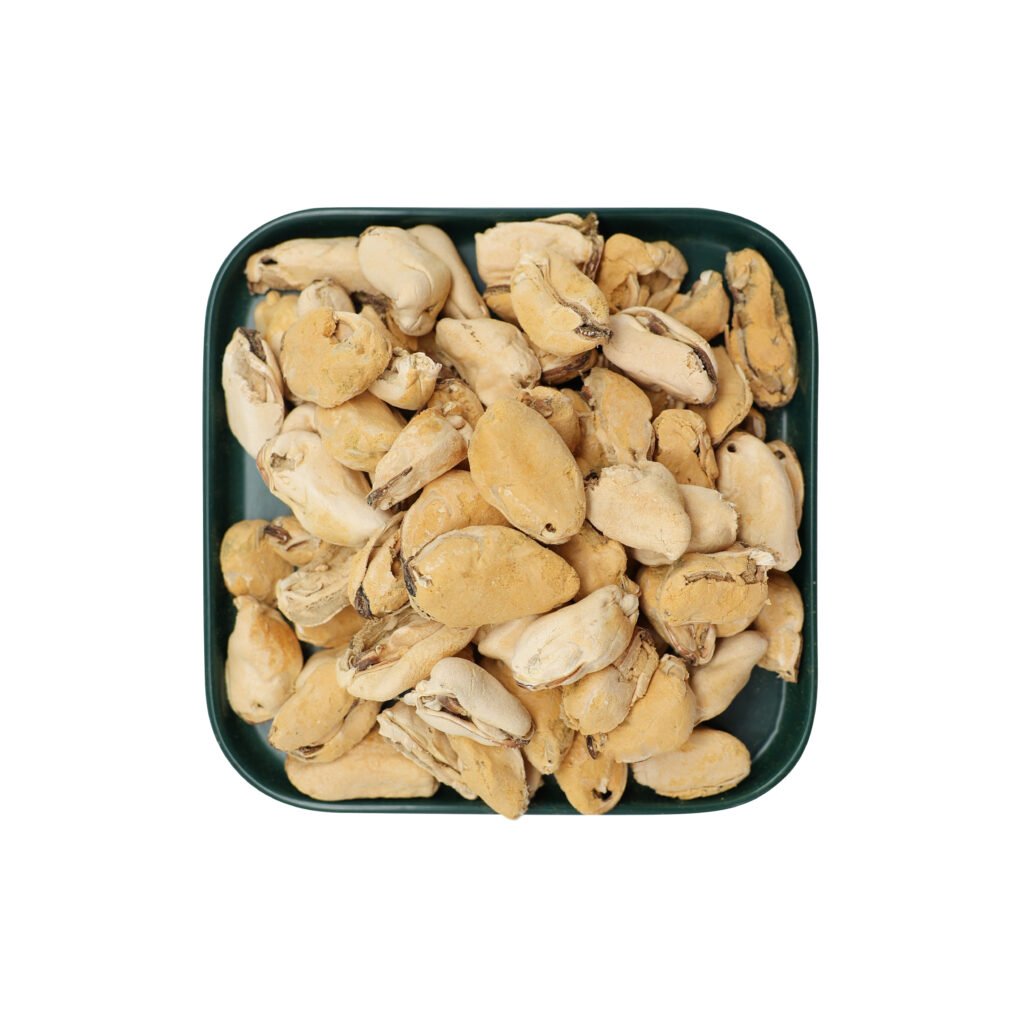
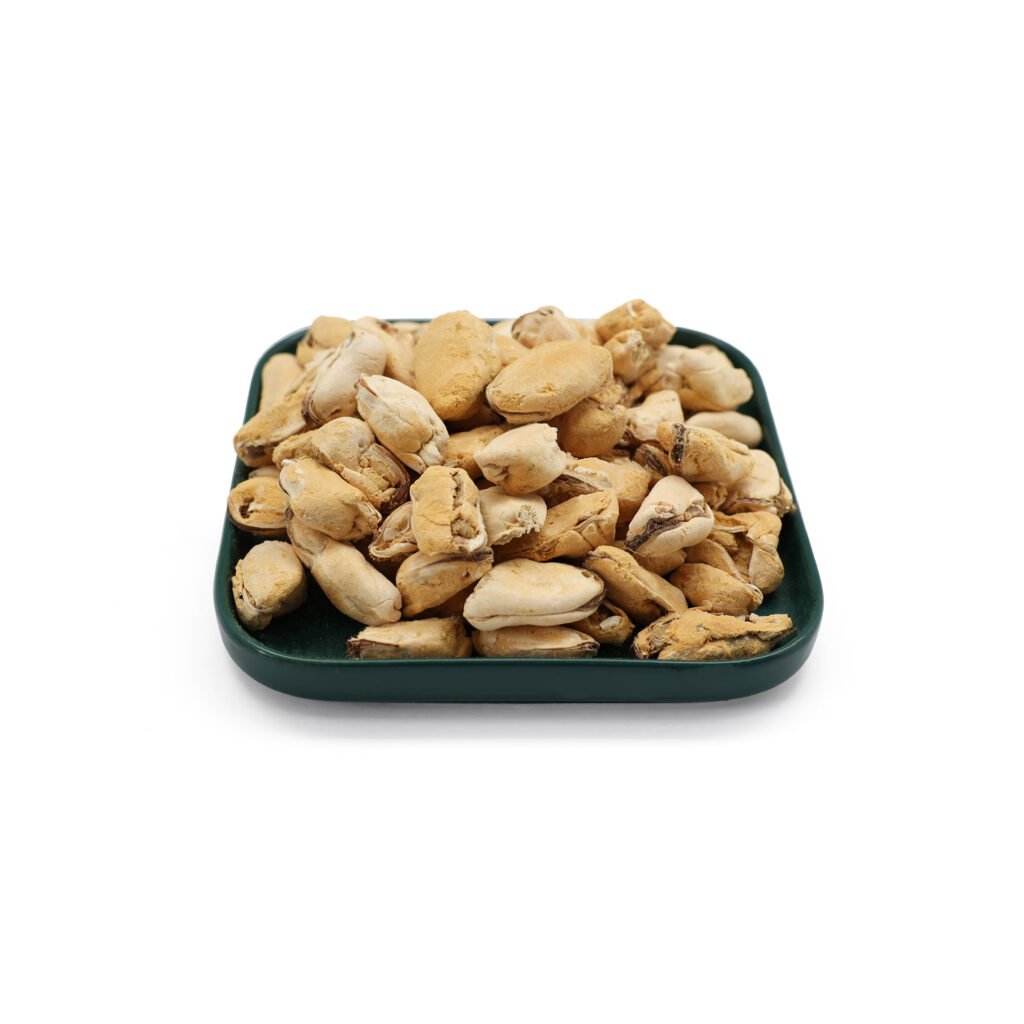
What Brands Should Ask Their Manufacturer
If you are sourcing freeze-dried pet food from a manufacturer, ask these questions:
- Do you have dedicated equipment for allergen-free products?
- What is your cleaning and sanitation protocol between runs?
- Do you validate cleaning effectiveness?
- Can you provide documentation of allergen testing on finished products?
- How do you manage allergens in your ingredient sourcing?
The answers will tell you a lot about the manufacturer‘s commitment to allergen management.
The Bottom Line
Allergen management is not just a regulatory requirement, it is a trust issue. For pet owners dealing with a pet’s food allergy, finding a product they can rely on is a relief. Brands that invest in robust allergen management and communicate transparently about their processes will earn loyalty from those consumers. In a competitive market, that loyalty is invaluable.