
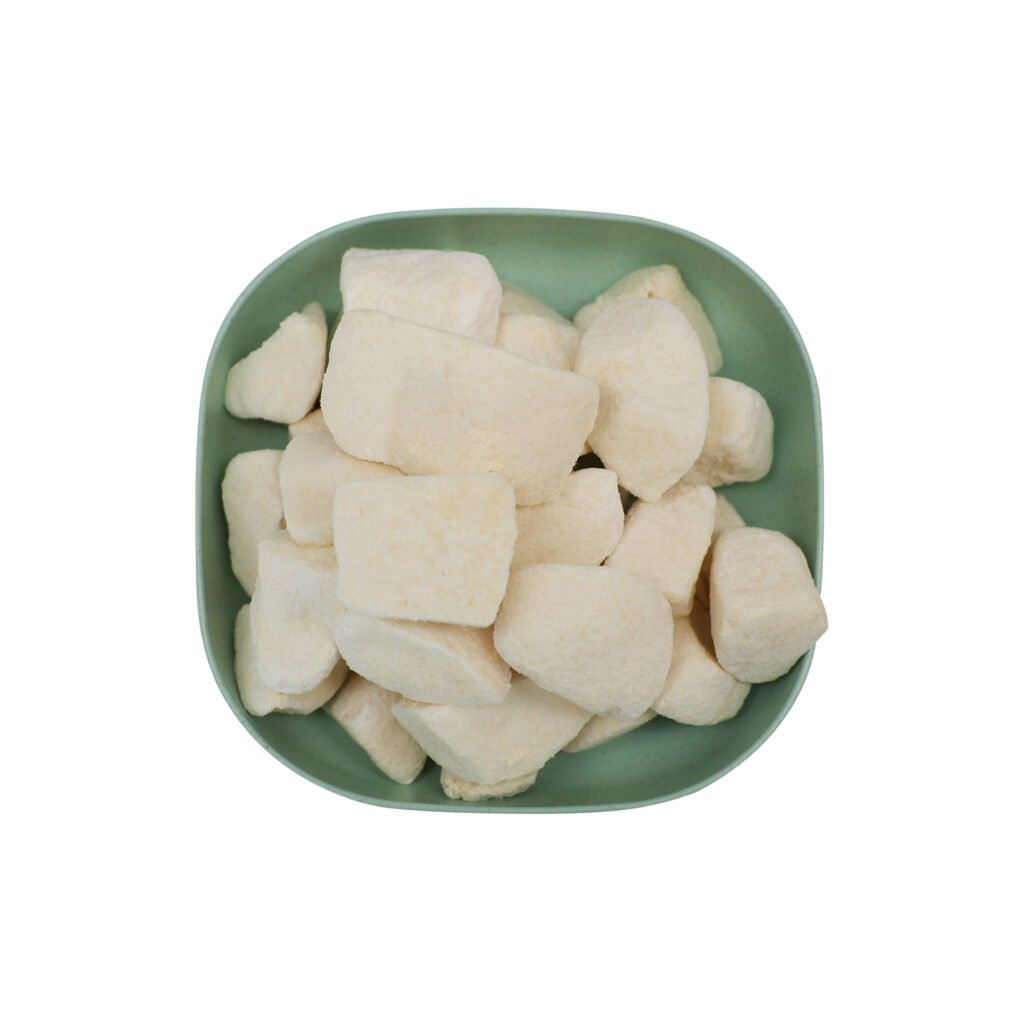
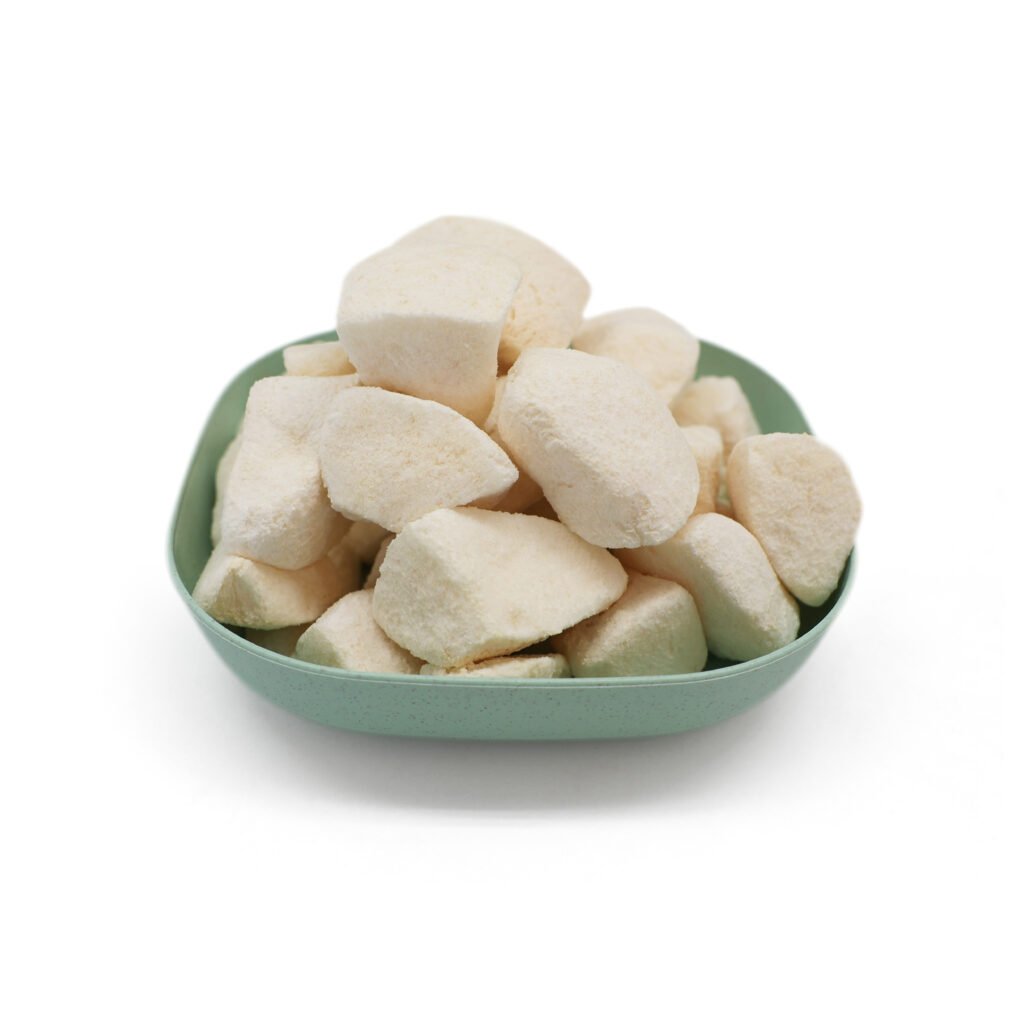
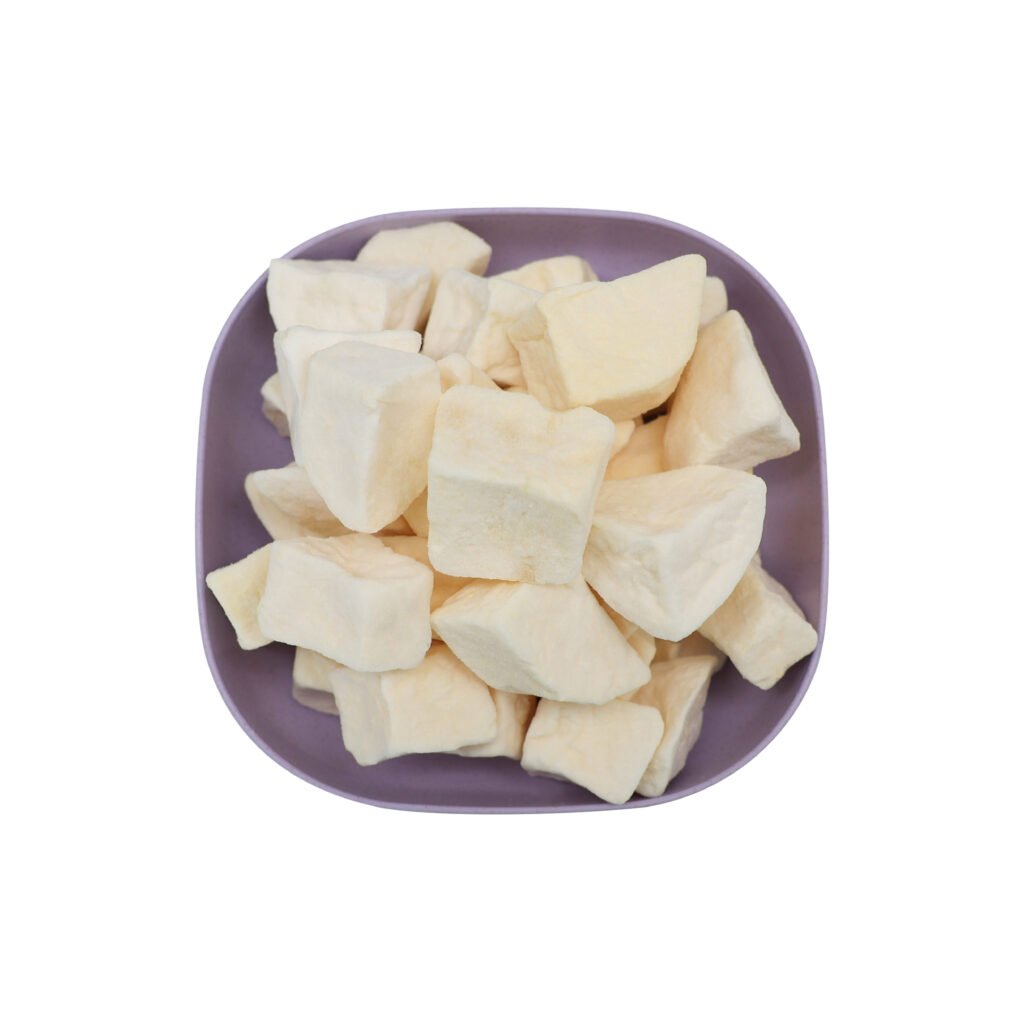
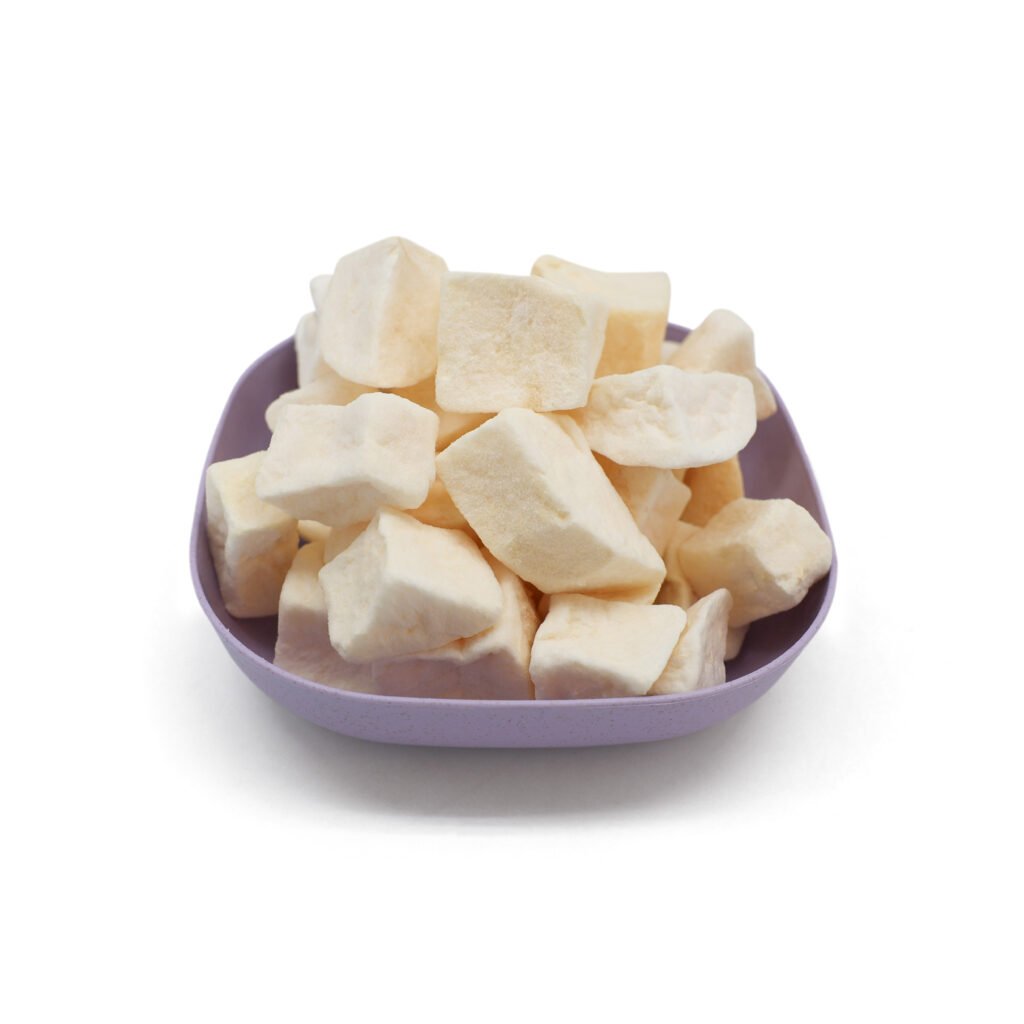
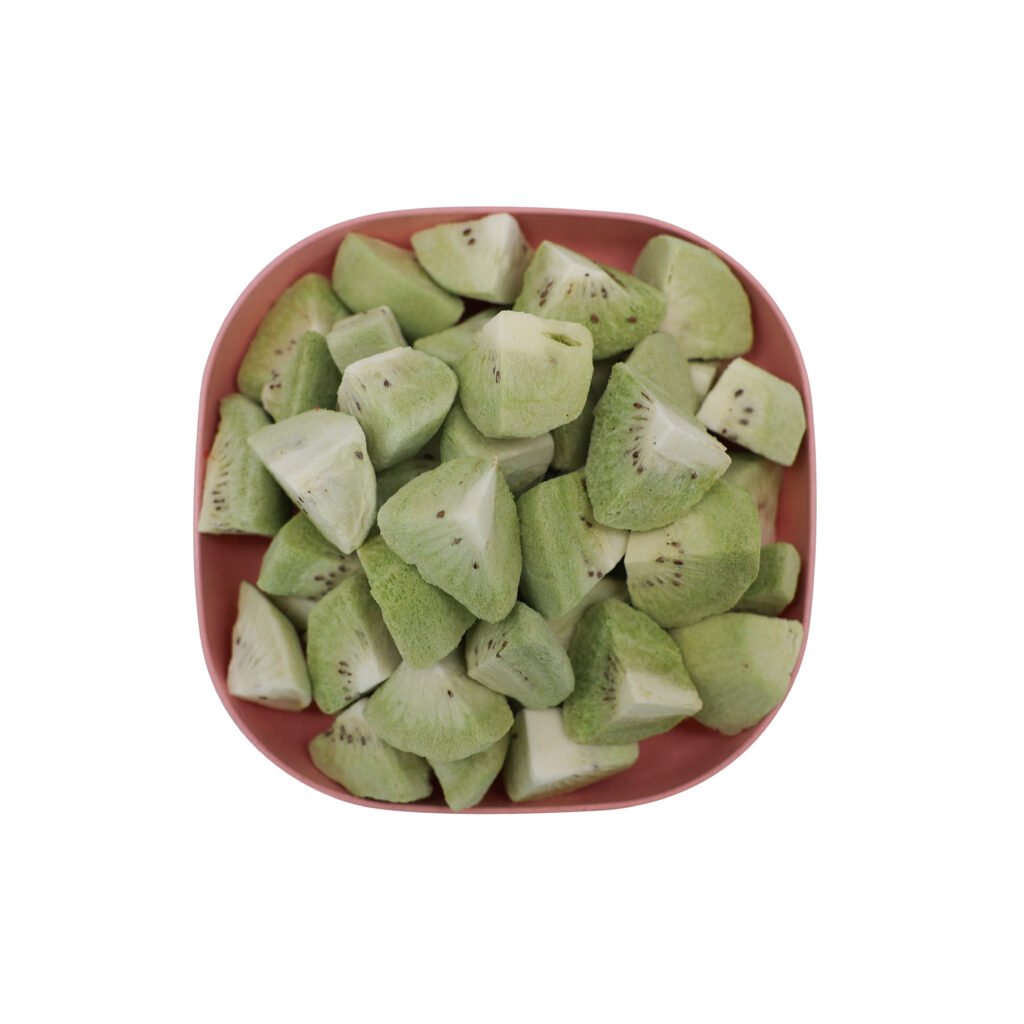
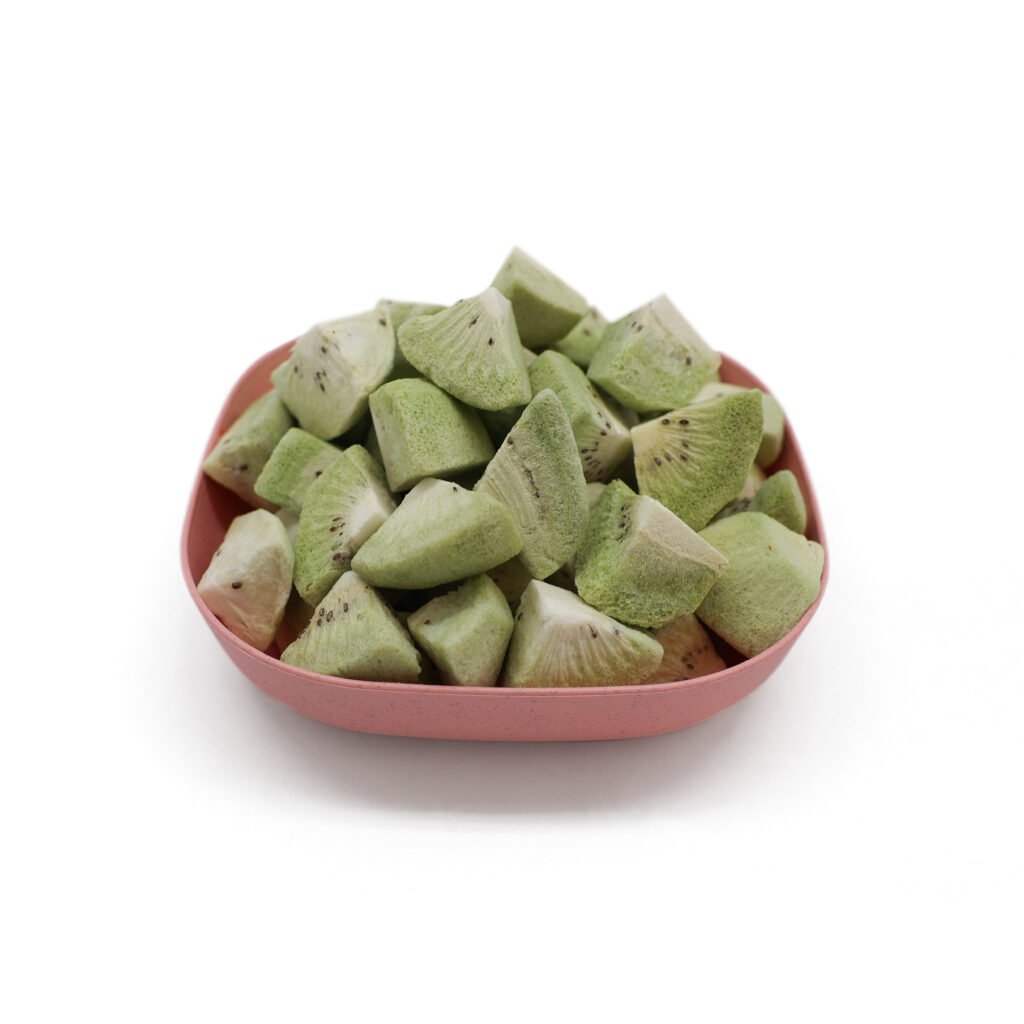
Freeze-dried pet food has many advantages: it preserves raw nutrition, it is lightweight, and it has a long shelf life. But one thing it is not is sterile. Unlike kibble, which is cooked at high temperatures, freeze-dried food is processed at low temperatures. This means that pathogens present in raw ingredients are not killed during the freeze-drying process.
For brands entering the freeze-dried category, food safety is not just a regulatory requirement. It is a foundation of consumer trust. A single recall or illness linked to a product can cause irreversible damage to a brand.
The Pathogen Risk
The primary pathogens of concern in raw pet food are Salmonella, Listeria monocytogenes, and E. coli. These bacteria can be present in raw meat, poultry, and fish. If they survive into the final product, they can pose a risk to pets and to the humans who handle the food.
Freeze-drying does not kill these pathogens. It simply removes moisture, which puts them into a dormant state. When the product is rehydrated or consumed, the pathogens can become active again. This is why freeze-dried pet food must be handled with the same care as raw meat.
The Role of High-Pressure Processing (HPP)
To address this risk, many freeze-dried pet food manufacturers use High-Pressure Processing (HPP) as a pre-freeze-dry kill step. HPP applies extremely high pressure (typically 87,000 psi or more) to the product, which destroys the cell walls of pathogens without using heat. This preserves the raw nutritional qualities of the ingredients while significantly reducing the microbial load.
HPP is not a silver bullet. It does not eliminate all pathogens, and it must be applied correctly to be effective. Brands should verify that their manufacturing partner uses validated HPP protocols and that the process is monitored and documented.
Other Control Measures
In addition to HPP, there are several other measures that can reduce pathogen risk. Sourcing ingredients from suppliers with strong food safety programs is essential. Ingredients should be tested for pathogens before they enter production. The production environment should be designed to prevent cross-contamination. And finished products should be tested to verify that they meet safety standards.
Water activity is another critical control point. Freeze-dried products must achieve a water activity level low enough to prevent microbial growth. This is typically below 0.6. Brands should require documentation of water activity testing for each batch.
What Brands Should Ask Their Manufacturer
If you are sourcing freeze-dried pet food from a manufacturer, ask these questions:
- What kill step do you use, and is it validated?
- How do you test incoming ingredients for pathogens?
- Do you test finished products, and how often?
- Can you provide documentation of water activity testing?
- What is your recall procedure, and how quickly can you respond?
The answers to these questions will tell you a lot about the manufacturer‘s commitment to food safety.
Regulatory Considerations
In the United States, the FDA requires pet food manufacturers to follow Current Good Manufacturing Practices (CGMPs) and to implement preventive controls. In the European Union, similar requirements apply. Brands selling in multiple markets must ensure that their products meet the regulations of each market.
Food safety is not an area where shortcuts are acceptable. The cost of a recall, both financially and reputationally, far outweighs the cost of implementing robust safety protocols from the beginning.