

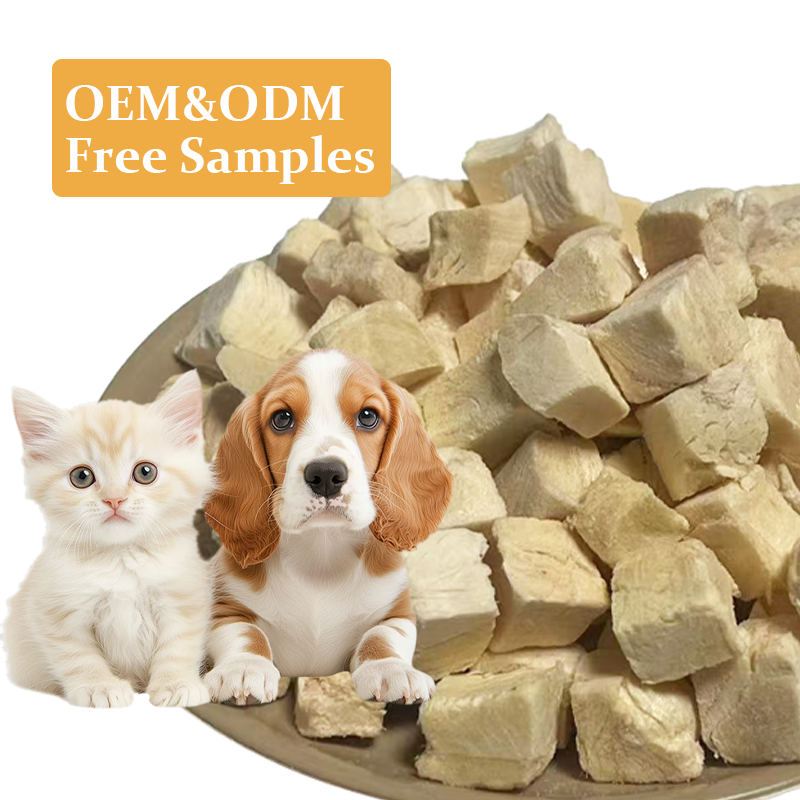
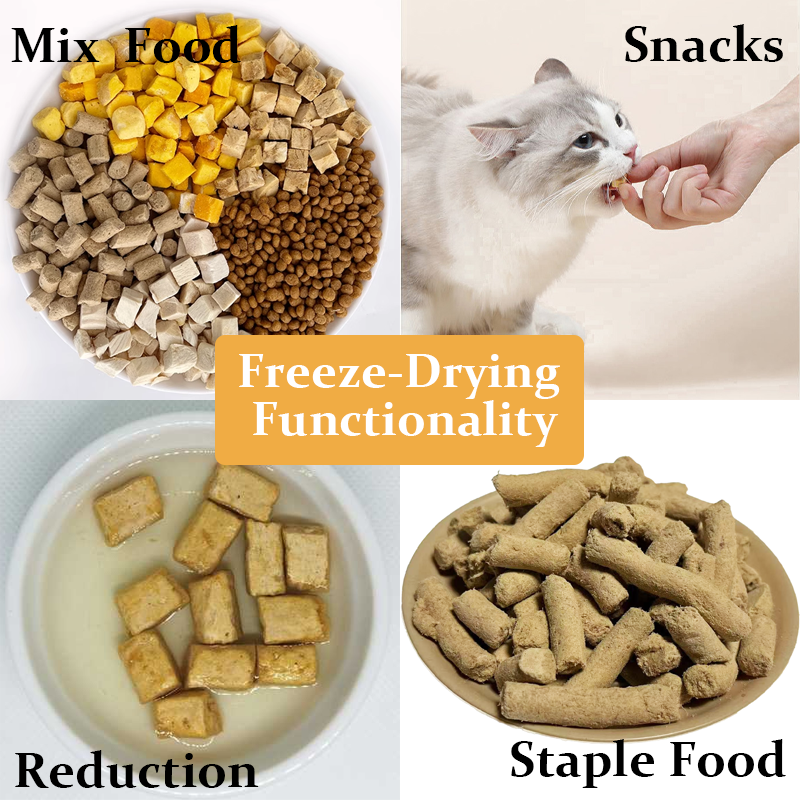
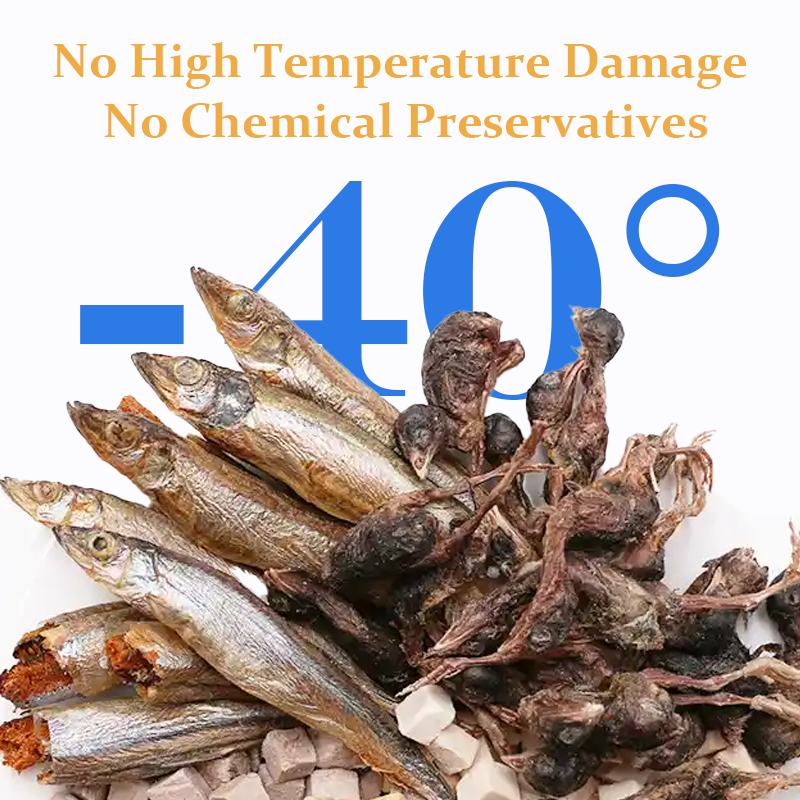
The freeze-dried pet food category has come a long way from its origins as a niche treat format. Today, it is a rapidly growing segment of the premium pet food market, with the global freeze-dried pet food market projected to grow from USD 1.8 billion in 2026 to USD 3.4 billion by 2034. But the most significant development in 2026 is not just the size of the market, it is the sophistication of the products entering it.
The next wave of freeze-dried innovation is focused on functional and veterinary diets. Products that once offered general “premium nutrition” are now being formulated to address specific health conditions: urinary tract health, obesity management, renal support, and gastrointestinal sensitivity.
This article examines the rise of functional and veterinary freeze-dried diets and what brand owners need to consider when entering this specialized segment.
From Toppers to Complete Diets with Targeted Health Benefits
What started as meal toppers has evolved into a full-scale market for complete and balanced freeze-dried meals. But the evolution does not stop at completeness. Pet owners are increasingly looking for food that actively supports their pet‘s health, not just a generic “complete” nutrition profile.
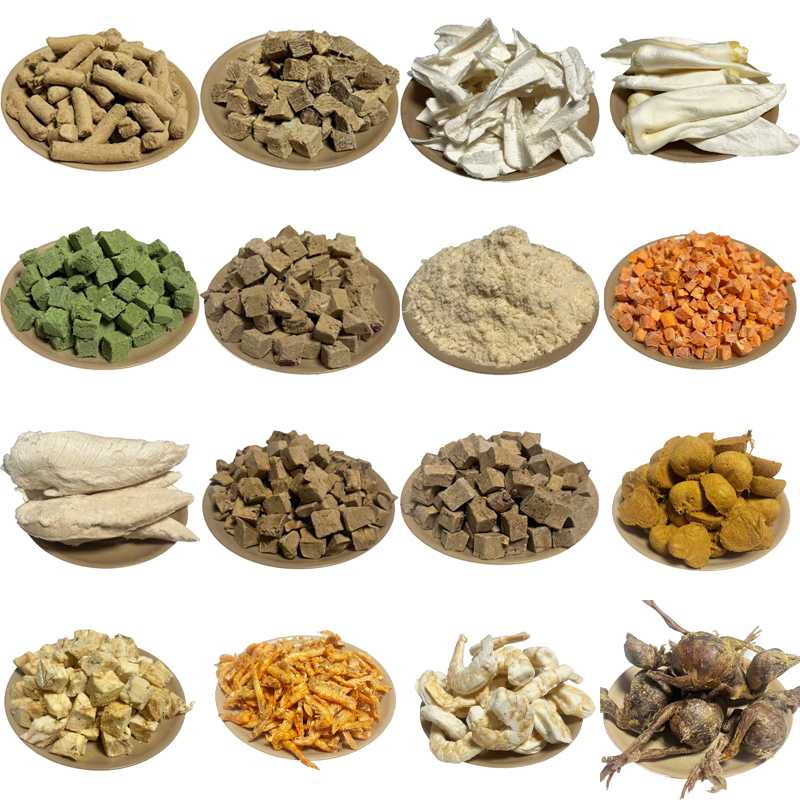
The most substantial market opportunity now lies in the development of functional and veterinary freeze-dried lines targeting specific health conditions. These products address conditions such as urinary tract health, obesity management, renal support, and gastrointestinal sensitivity. In the United States, functional claims now appear on an estimated 40 to 50 percent of new freeze-dried product introductions. Single-ingredient components such as freeze-dried liver, fish, or vegetables are growing fastest among health-motivated buyers seeking functional add-ins.
For brand owners, this represents a clear path to differentiation in an increasingly crowded category. General “premium freeze-dried” is becoming table stakes. Functional formulations that address specific health concerns are the next competitive frontier.
The Pet Humanization Driver
The rise of functional freeze-dried diets is driven by the continuing trend of pet humanization. Pet owners are increasingly applying their own food standards to their pets‘ diets. They want minimally processed, nutrient-dense options with clear ingredient transparency and specific health benefits.
The Asia-Pacific region is particularly noteworthy in this regard. The Asia freeze-dried pet food market is expected to experience sustained annual volume growth of 16 to 22 percent through 2030, driven by pet humanization, demand for convenient raw diets, premiumization, health focus, and transparency. In China and South Korea, high-meat-content freeze-dried raw diets are growing at an estimated 12 to 18 percent annually.
Functional freeze-dried products that address specific health conditions resonate strongly with this health-conscious consumer base. Brands that can clearly communicate the targeted health benefits of their formulations will have a significant advantage.
The Manufacturing Challenge: Formulation Precision at Scale
Developing functional freeze-dried diets presents unique manufacturing challenges. Unlike general freeze-dried products, functional diets require precise formulation to deliver consistent health benefits. This means careful selection of ingredients, rigorous quality control, and validated manufacturing processes.
As one industry expert noted, freeze-dried pet food will transition from a specialty process to a standardized, scalable manufacturing model in the next five years. For functional and veterinary diets, this transition is even more critical — consistency is not just a quality issue, it is a health issue.
Brand owners entering this segment should work with manufacturers that have experience in functional formulation and that can provide documentation of nutritional content, ingredient sourcing, and quality control processes.
What Brand Owners Should Consider
If you are considering adding functional or veterinary freeze-dried products to your line, here are the key factors to work through.
First, identify the health condition you want to address. Is it urinary tract health, joint mobility, digestive sensitivity, or something else? The condition determines the formulation requirements and the claims you can make.
Second, validate your formulation. Functional claims require substantiation. Work with veterinary nutritionists or formulation experts to ensure your product delivers the intended health benefits and meets regulatory requirements for health claims in your target markets.
Third, consider your manufacturing partner. Not all freeze-dried manufacturers have experience with functional formulations. Look for partners with documented expertise in precision formulation and quality control.
Fourth, plan your communication strategy. Functional products require clear, credible communication to build consumer trust. Third-party certifications, veterinary endorsements, and transparent ingredient sourcing can all support your claims.
The functional freeze-dried category is growing rapidly, but it requires more than just adding a few functional ingredients to a standard formulation. Brands that invest in credible formulation, manufacturing expertise, and clear communication will be the ones that succeed in this emerging segment.