If you have been following the cat furniture market over the past few years, you may have noticed a shift in the types of products being introduced. While traditional fixed cat trees, single-piece structures with a set configuration, remain the dominant product type, modular cat furniture is gaining significant ground.
Modular cat trees allow pet owners to configure, expand, and reconfigure their cat’s environment over time. This approach appeals to customers who value flexibility, are limited by space constraints, or simply enjoy the process of designing their cat’s environment
This guide compares modular and fixed cat tree designs, explains the advantages and challenges of each approach, and helps you decide which strategy makes more sense for your brand in 2026.
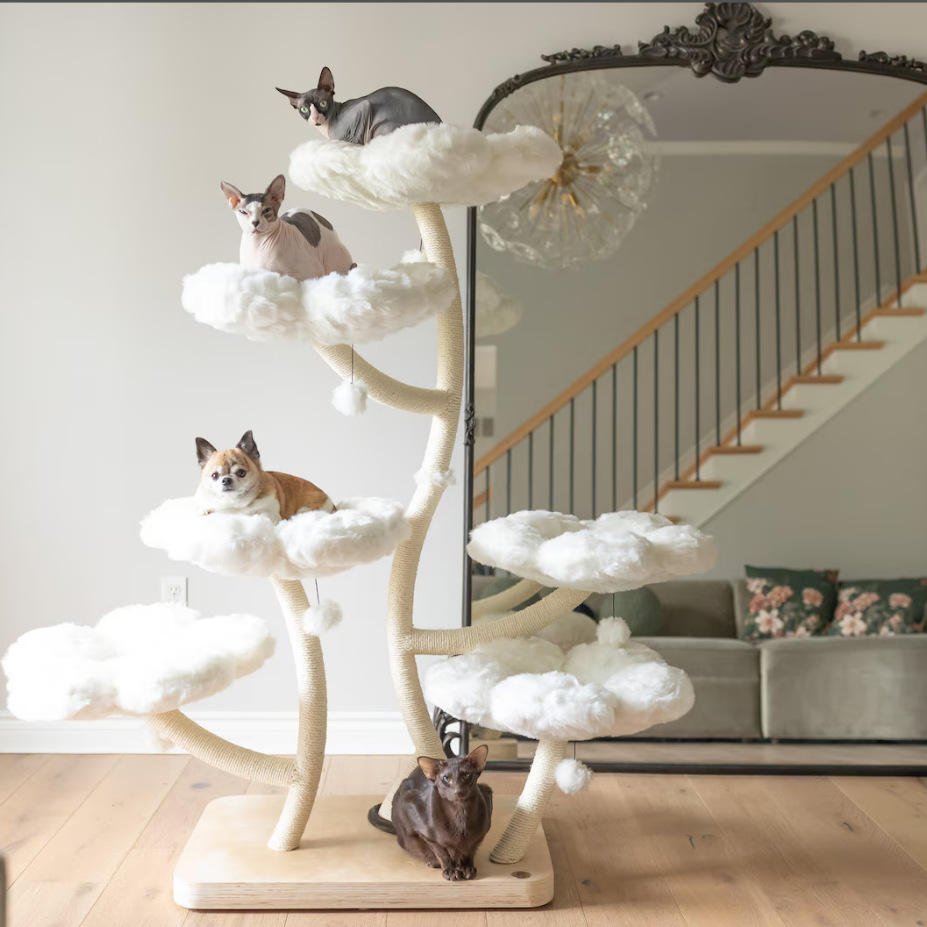
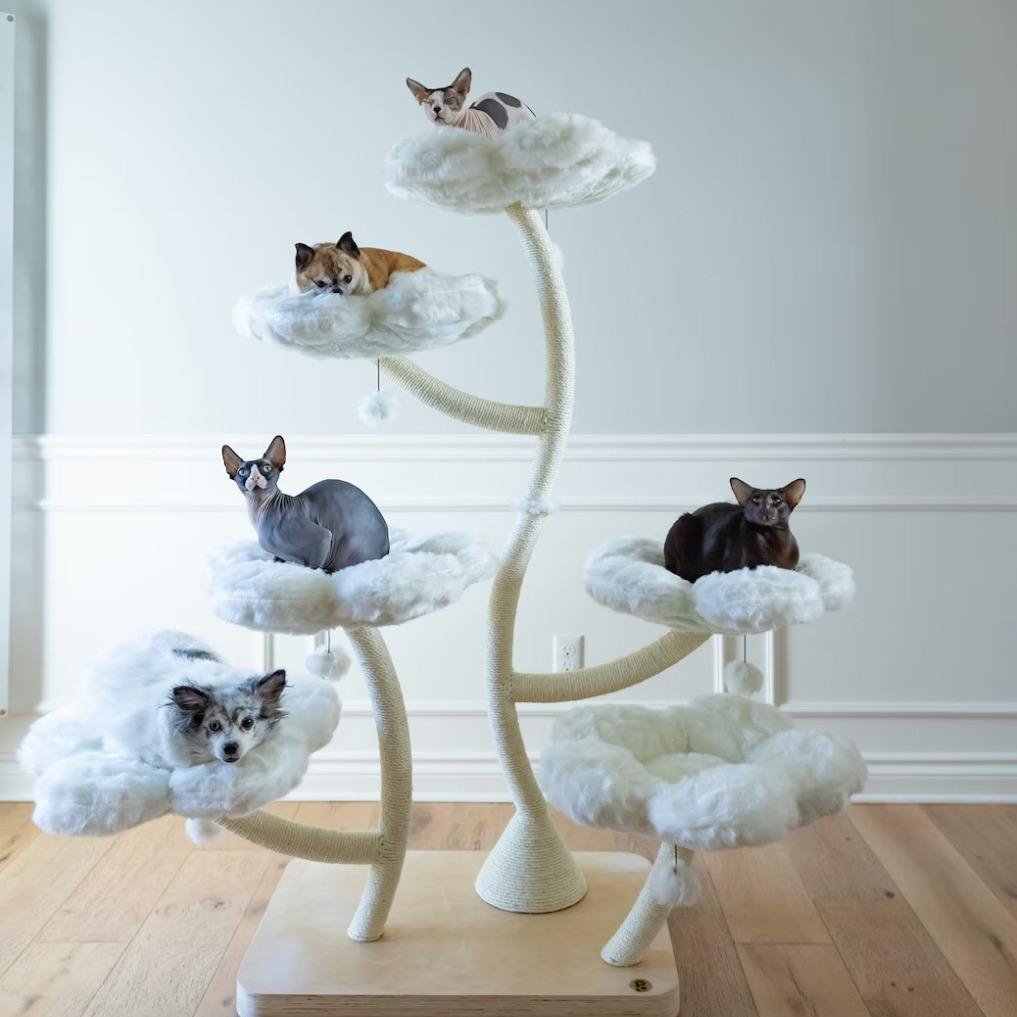
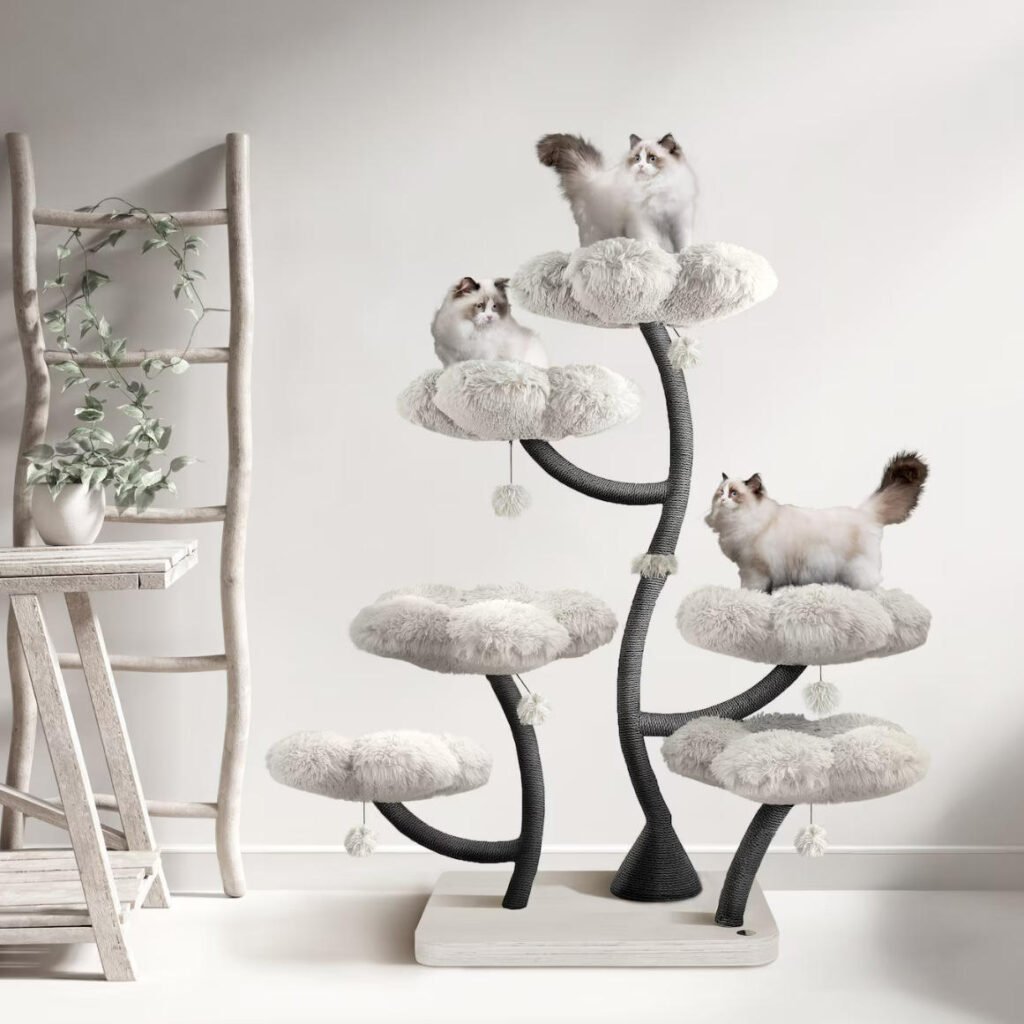
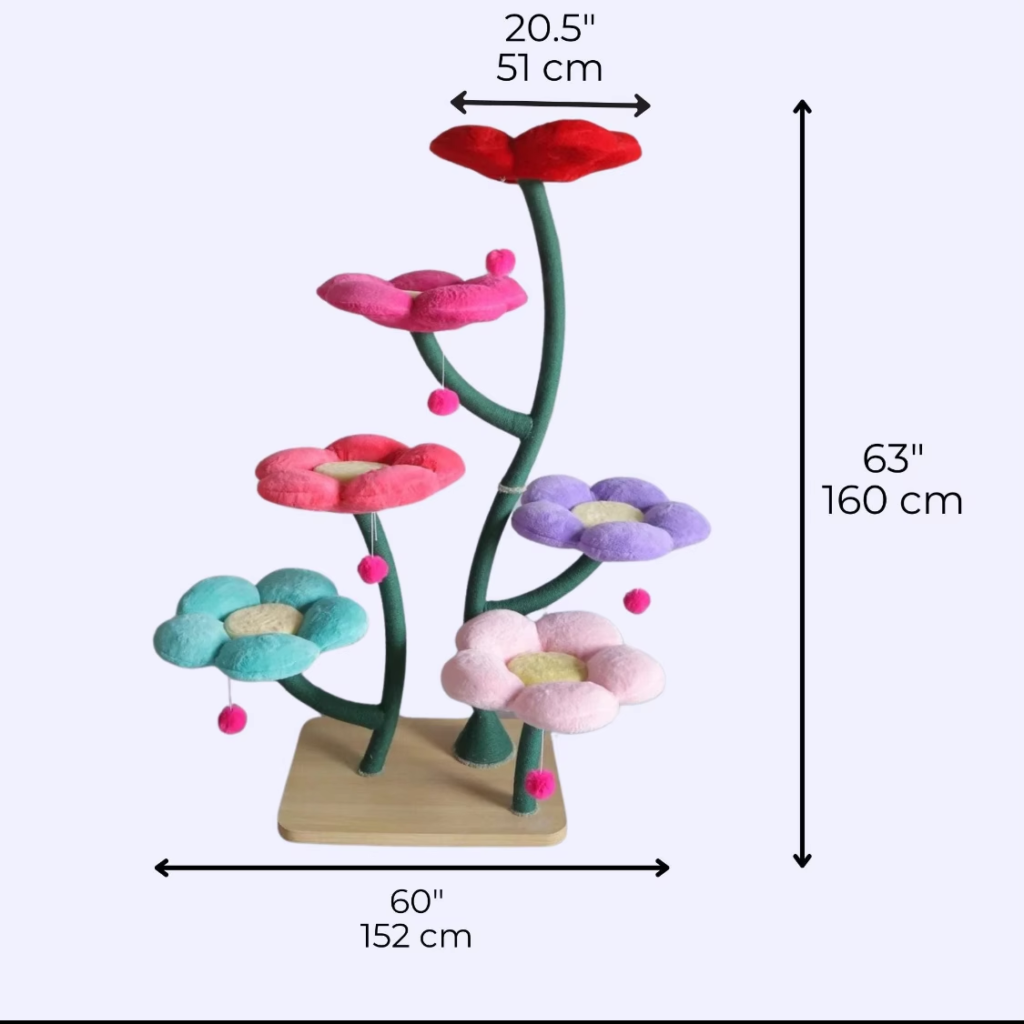
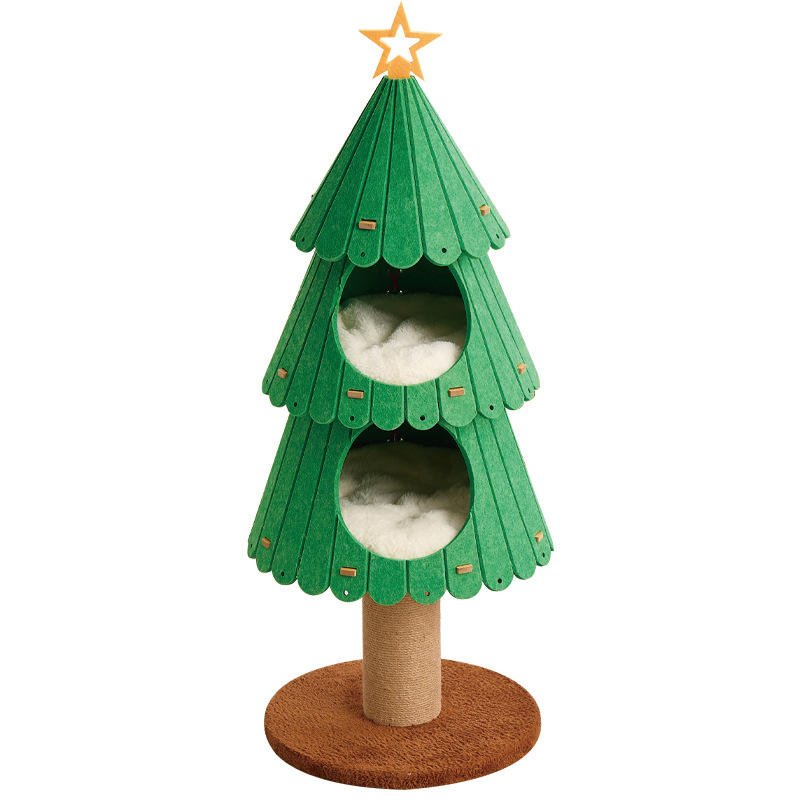
Understanding the Difference: Fixed vs. Modular Cat Trees
Fixed cat trees are the traditional approach to cat furniture. A fixed cat tree is a single, integrated structure with a set configuration. The platforms, scratching posts, and hideaways are permanently attached to the structure. The pet owner cannot change the configuration, add new components, or reconfigure the layout.
The advantage of fixed cat trees is simplicity. They are straightforward to manufacture, assemble, and ship. They also tend to be more stable than modular alternatives because the structure is permanently integrated. For customers who want a simple solution that requires no assembly beyond attaching the tree to the base, fixed cat trees are a straightforward choice.
The disadvantage is rigidity. If the customer‘s space changes, or if they want to add new features, they need to purchase an entirely new cat tree. Fixed cat trees also require more storage and shipping space, which can increase logistics costs.
Modular cat trees take a different approach. Rather than a single integrated structure, modular systems consist of individual components—platforms, posts, hideaways, bridges, and connectors—that can be assembled in different configurations. The pet owner can start with a basic setup and expand over time.
The advantage of modular cat trees is flexibility. Customers can configure the tree to fit their specific space, add components as their cat grows or as their budget allows, and reconfigure the layout when they move or redecorate. Modular systems also ship in smaller boxes, which reduces shipping costs and storage requirements.
The disadvantage is complexity. Modular systems require more design work to ensure compatibility between components. They also require more assembly effort from the customer, which can be a barrier for some buyers.
Market Trends: Why Modular Is Gaining Traction
Several factors are driving the growth of modular cat furniture.
First, the increase in urban living means more pet owners are living in smaller spaces. Modular systems allow them to design a cat environment that fits their specific layout, rather than being limited by fixed designs.
Second, pet owners are increasingly viewing their cats as family members and investing more in their environment. As the cat furniture category has grown, customer expectations have risen. They want furniture that looks good, fits their space, and can adapt to their needs over time.
Third, the rise of online retail has changed the economics of cat furniture. Fixed cat trees are expensive to ship because of their size and weight. Modular systems can be shipped in smaller, lighter packages, which reduces shipping costs and makes online sales more viable.
Fourth, customers are increasingly seeking products that can evolve with their pet‘s needs. A modular cat tree can grow with the pet, accommodating new interests and behaviors over time.
Manufacturing Considerations for Each Approach
For brand owners, the choice between fixed and modular cat trees has significant implications for manufacturing.
Fixed cat trees are simpler to manufacture. The design is fixed, the component list is consistent, and the production process is repeatable. This simplicity can result in lower per-unit costs at scale. However, fixed cat trees require larger packaging and shipping, which can offset some of the manufacturing cost advantage.
Modular cat trees are more complex to manufacture. They require more components, more assembly options, and more careful quality control to ensure that components fit together reliably. However, modular systems can be produced in smaller batches, allowing for more responsive production planning.
The packaging and shipping cost difference is significant. A fixed cat tree may require a box that is 80 to 100 centimeters in each dimension, while the same components in a modular system can be shipped in multiple smaller boxes. This can reduce shipping costs by 30 to 50 percent for some products.
Customer Considerations: What Your Buyers Actually Want
When deciding between fixed and modular designs, consider what your target customers actually want.
First, consider your price point. Fixed cat trees are generally less expensive to produce and can be offered at lower price points. If you are targeting budget-conscious customers, fixed designs may be the better choice. Modular systems typically command a premium price, which may be appropriate for premium positioning but can be a barrier for some customers.
Second, consider your customer‘s space constraints. Customers in urban areas or small apartments are more likely to value modular designs that can be customized to fit their space. Customers in larger homes may have less need for flexibility.
Third, consider your customer‘s willingness to assemble. Some customers enjoy the process of assembling and configuring a modular system. Others prefer a product that is ready to use out of the box. If you are targeting the latter group, fixed designs may be more appropriate.
Common Mistakes to Avoid
One common mistake is assuming that modular is always better. While modular designs offer flexibility, they also add complexity. For brands that are entering the cat furniture market for the first time, starting with fixed designs can be a lower-risk approach.
Another common mistake is offering modular components that are not compatible with each other. A modular system is only as good as its compatibility. If customers cannot easily add new components to their existing setup, the modular value proposition is diminished.
Finally, some brands overlook the assembly experience. Modular systems require customers to assemble the product, which can be a source of frustration if the instructions are poor or the components do not fit together easily. Investing in clear assembly instructions and quality components can significantly improve the customer experience.
What to Look For in a Cat Furniture Manufacturer
When evaluating manufacturers for your cat furniture line, look for manufacturers with experience in both fixed and modular designs, can provide stability testing for modular configurations, offer packaging solutions that minimize shipping costs, provide clear assembly instructions and quality components, and can accommodate different production volumes for different configurations.
At BESTONE PETS, we manufacture both fixed and modular cat furniture designs. We help brands evaluate which approach makes more sense for their target market and provide manufacturing support for both product types.
Contact us to discuss your cat furniture design requirements and production goals.