
Protein selection is one of the most important decisions when developing a freeze-dried pet food product. This guide compares common protein sources and helps you choose based on nutrition, cost, and market demand.
Protein is the foundation of any freeze-dried pet food formulation. The choice of protein source affects nutritional value, product taste, digestibility, cost, and consumer appeal. With multiple protein options available, selecting the right one requires balancing nutritional science, market trends, and production economics.
This guide compares the most common protein sources used in freeze-dried pet food and provides a framework for making the right choice for your product line.
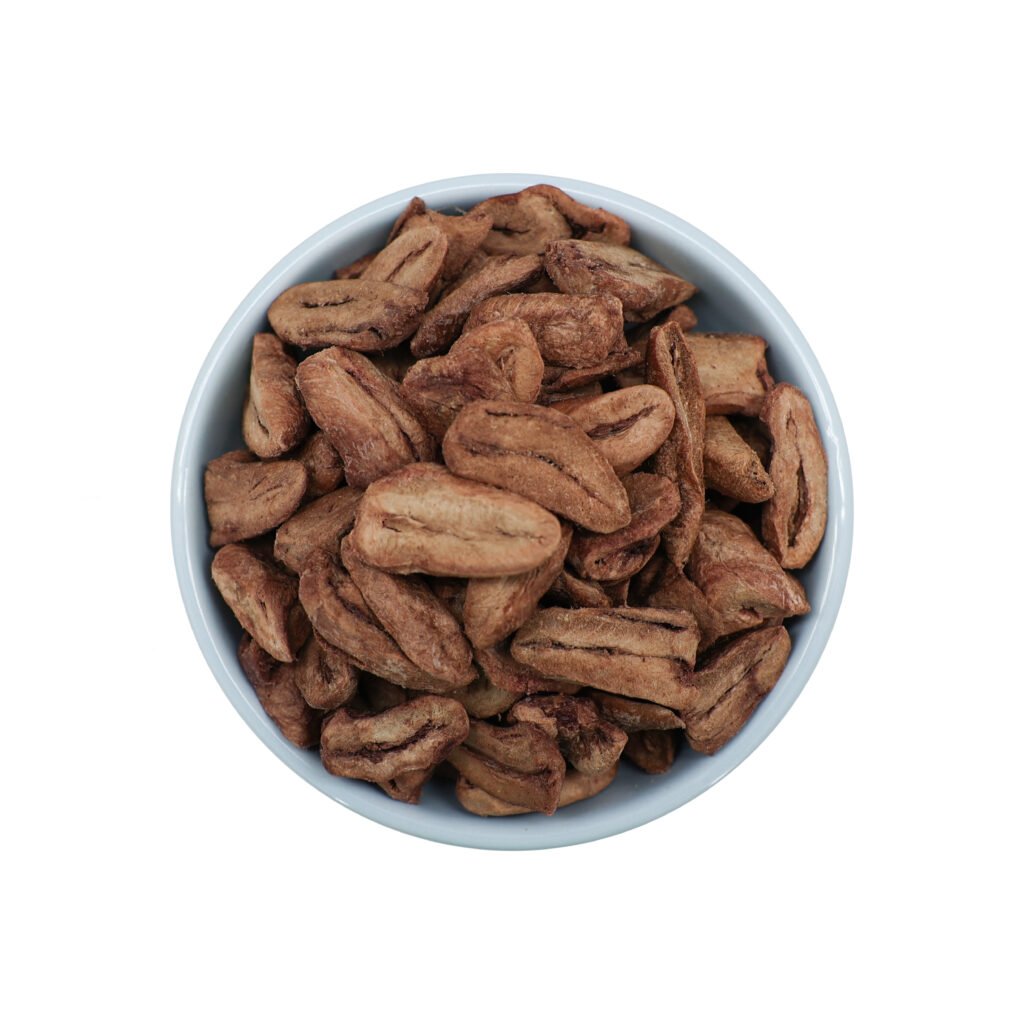
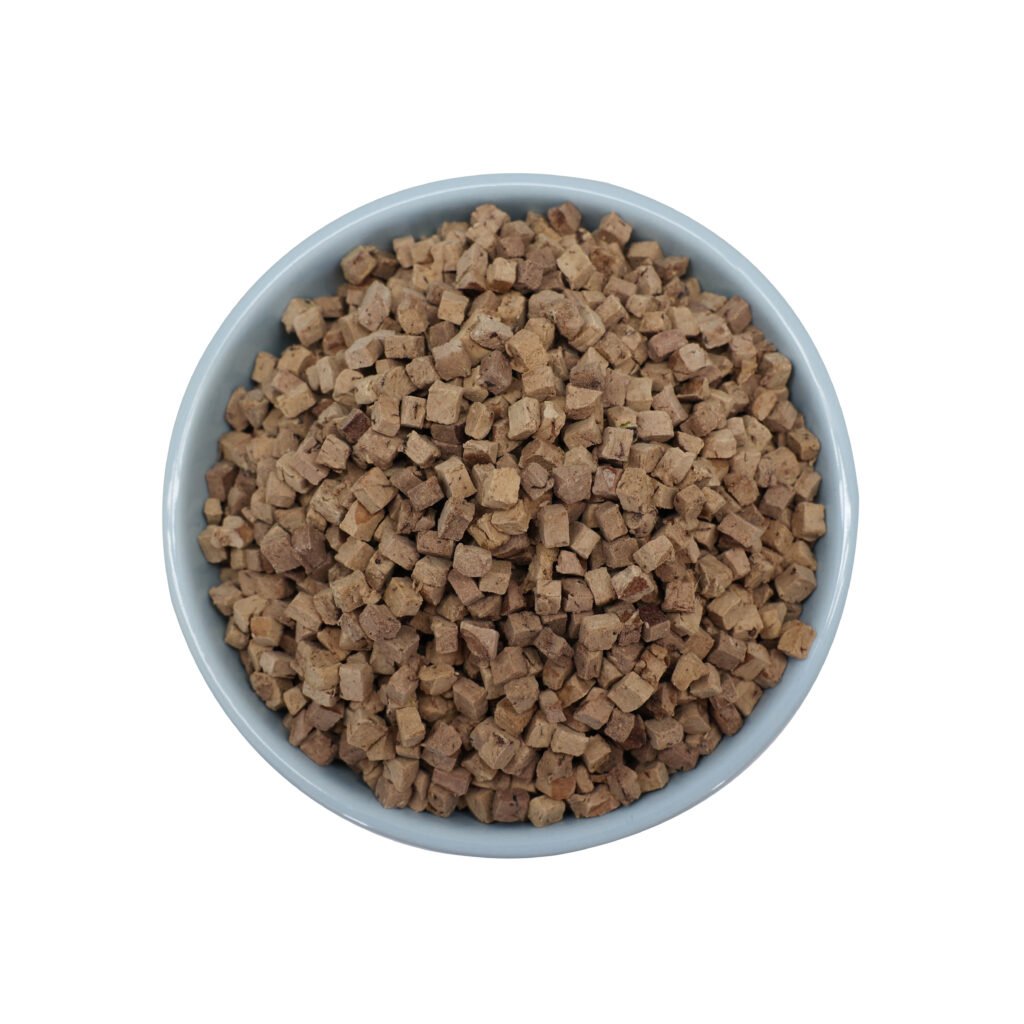
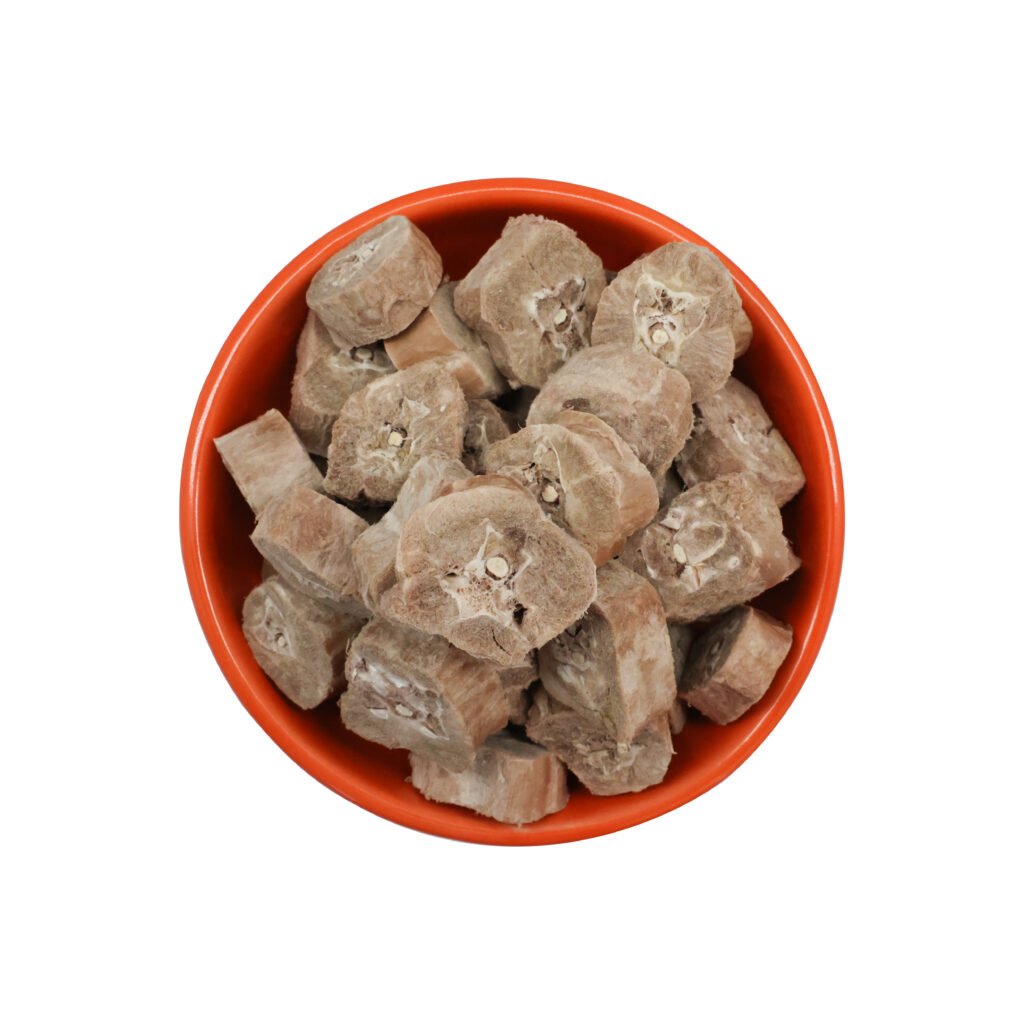
Chicken: The Balanced Choice
Chicken is the most widely used protein in pet food, and for good reason. It provides a complete amino acid profile, is highly digestible, and offers a neutral flavor that most pets accept readily. It is also relatively affordable compared to other proteins, making it a cost-effective base for freeze-dried formulations.
For brands targeting the mainstream pet food market, chicken is a safe and reliable choice. The main consideration is differentiation—because chicken is so common, it does not offer the same “premium” positioning as more novel proteins. Brands that use chicken should emphasize other differentiating factors such as sourcing transparency, organic certification, or ethical production standards.
Salmon: The Omega-3 Advantage
Salmon is highly valued for its long-chain omega-3 fatty acids, which support skin health, coat condition, and joint function. It is an excellent choice for freeze-dried pet food because the freeze-drying process preserves these delicate oils, which are often damaged by high-temperature extrusion.
Salmon carries a higher price point than chicken and has a distinct flavor that some pets may need time to accept. It is best suited for brands that position themselves as premium or for specialized applications such as joint health support.
Beef: The Classic Protein with Broad Appeal
Beef provides a rich flavor profile that is highly palatable to most dogs and cats. It is a complete protein source with good digestibility, making it suitable for freeze-dried formulations. Beef is more expensive than chicken but generally less expensive than salmon or novel proteins.
The primary appeal of beef is its widespread acceptance. Most pets are familiar with beef and accept it readily, which reduces the risk of rejection. For brands targeting the broadest possible market, beef is a solid choice.
Lamb: The Hypoallergenic Alternative
Lamb is a relatively uncommon protein in mainstream pet food, which makes it an option for pets with chicken or beef sensitivities. It is highly digestible and has a distinctive flavor that many pets find appealing.
The main drawbacks of lamb are its higher cost and lower availability compared to chicken or beef. For brands targeting pets with food sensitivities or those offering a “limited ingredient” formula, lamb can be a valuable addition to the product line.
Duck and Rabbit: Novel Proteins for Premium Positioning
Duck and rabbit are considered novel proteins, meaning they are less commonly used in pet food and therefore less likely to trigger immune responses in sensitive pets. They are also associated with premium quality, which supports higher price points.
These proteins are significantly more expensive than chicken or lamb and have limited supply availability. They are best suited for brands that target the premium or therapeutic segments of the market, where customers are willing to pay a premium for specialty ingredients.
How to Choose: A Decision Framework
When selecting a protein source for your freeze-dried pet food line, consider these factors in order of priority.
The first factor is your target market position. Determine whether your brand competes on price, quality, or specialty positioning. This decision will guide the appropriate protein tier.
The second factor is your target species and life stage. Puppies and kittens may require more digestible proteins, while adult pets can metabolize a wider variety. Consider whether the protein source is appropriate for your target pets.
The third factor is supply availability. Verify that the protein source is available consistently in the volumes you require and that your supplier can provide documentation of origin and quality.
The fourth factor is your formulation flexibility. Determine whether you plan to offer single-protein products or mixed-protein recipes and whether the protein source will serve as the primary ingredient or as part of a blend.
At BESTONE PETS, we help brands select the right protein sources for their freeze-dried formulations and provide full traceability documentation for every ingredient. Contact us to discuss your product requirements and nutritional targets.