
Across the pet food industry, one question is being asked more frequently than ever: “Why is freeze-dried pet food so popular, and is it really worth the higher price?” As a pet food brand, you’ve likely noticed that your customers are becoming more curious, more skeptical, and more willing to switch brands if their questions aren’t answered.
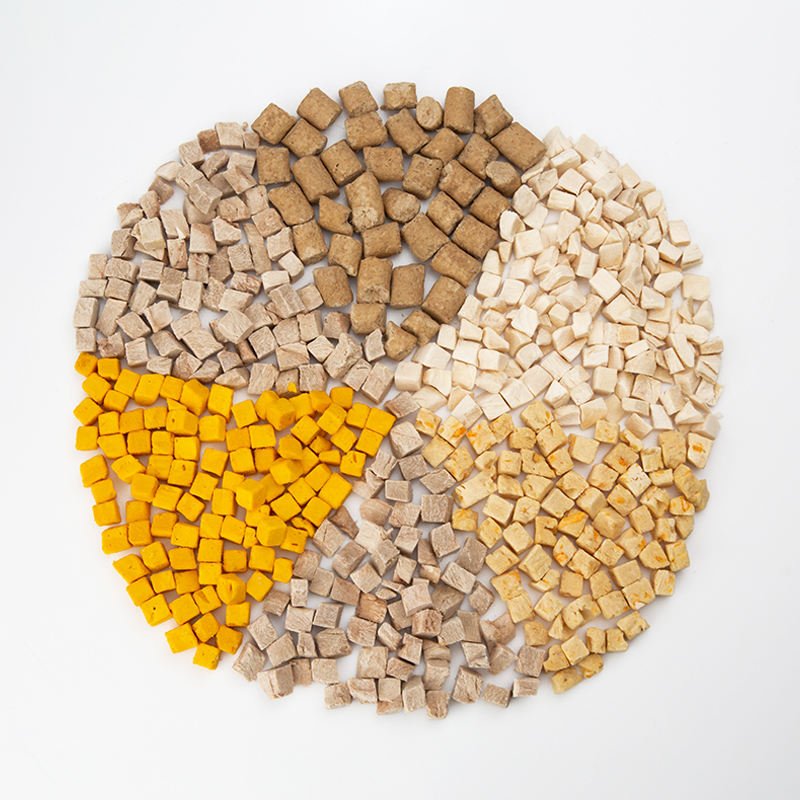
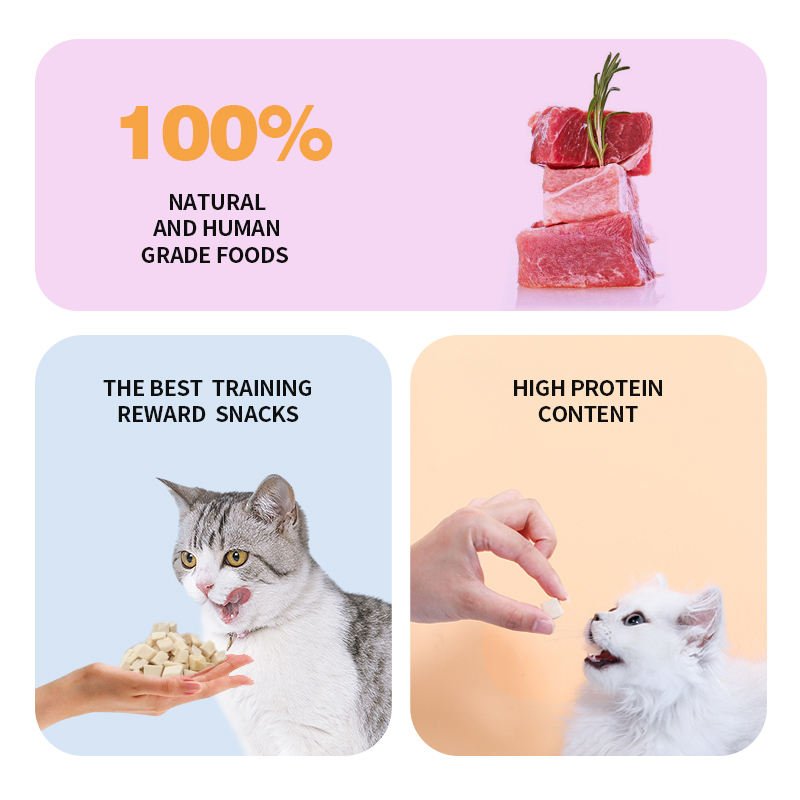
The freeze-dried pet food market is expected to grow at a compound annual rate of nearly twenty percent through the early 2030s, moving from a niche product category into the mainstream. But growth also brings scrutiny. Customers are asking deeper questions about ingredients, sourcing, safety, and whether the benefits justify the cost.
This guide covers the questions pet owners are asking most frequently and provides clear, honest answers that build trust and support your sales.
Question 1: What Exactly Is Freeze-Dried Pet Food and Why Does It Cost More?
Freeze-drying is a preservation method that removes moisture from raw ingredients at very low temperatures. The process involves freezing the raw food and then placing it in a vacuum chamber where the frozen water turns directly into vapor. This preserves the nutritional integrity of the raw ingredients without the use of high heat.
The reason freeze-dried pet food costs more than kibble comes down to three factors: ingredient quality, processing technology, and nutritional retention. Freeze-dried recipes use higher-quality ingredients than most kibble formulations. The freeze-drying equipment itself is expensive to operate and requires significantly more energy than traditional extrusion. And because the processing method preserves the nutrients naturally present in the raw ingredients, there’s less room for using lower-cost fillers or artificial supplements to compensate for nutrient loss.
When customers ask about the price difference, the best answer is: “You’re paying for the ingredients and the process. The freeze-drying method preserves the natural nutrition of the raw meat, fruits, and vegetables, so your pet gets more of what they need and less of what they don’t.”
Question 2: Is Freeze-Dried Food Healthier Than Kibble?
This is the most common question, and the answer depends on what “healthier” means to the pet owner. Let’s break it down into three categories: nutrient retention, digestibility, and ingredient quality.
On nutrient retention, freeze-drying preserves more of the original nutrients than high-heat processing. Vitamins, enzymes, and amino acids that are heat-sensitive survive the freeze-drying process but are largely destroyed during extrusion cooking. This is one of the main reasons freeze-dried foods are considered closer to a raw diet than to kibble.
On digestibility, some studies suggest that raw and freeze-dried recipes are more digestible than traditional extruded kibble. This means that a higher percentage of the nutrients are actually absorbed by the pet’s body rather than passing through as waste. For pets with sensitive stomachs, freeze-dried food often produces firmer stools and fewer digestive issues.
On ingredient quality, freeze-dried foods typically use whole meat ingredients with clear sourcing. Kibble often uses rendered meat meals and unspecified animal by-products. Pet owners who prioritize transparency and ingredient traceability tend to prefer freeze-dried options.
However, it’s also important to be honest with customers. Freeze-dried food is not a miracle cure for all health problems, and a kibble diet can still be complete and balanced if formulated properly. The choice often comes down to the pet owner’s values, their pet’s specific needs, and their budget.
Question 3: What Should I Look For on the Ingredient Label?
Many pet owners feel overwhelmed by ingredient labels and don’t know what to trust. Here’s the simplest way to approach it.
First, look for named protein sources as the primary ingredient. The first ingredient on the label should be a specific protein source, like chicken, salmon, or beef. Avoid generic terms like “meat meal” or “poultry by-product” which don’t specify the source animal.
Next, check the protein percentage. Freeze-dried foods should have significantly higher protein content than kibble because they contain less moisture. A freeze-dried food with forty percent protein is delivering more actual protein per serving than a kibble with forty percent protein because the kibble contains more moisture and carbohydrates.
After that, look for whole ingredients you recognize. Apples, blueberries, pumpkin, carrots, and sweet potatoes are common freeze-dried inclusions. These provide natural vitamins and fiber. Avoid foods with long lists of artificial colors, flavors, or preservatives.
Finally, look for added supplements like taurine, omega-3 fatty acids, probiotics, and chelated minerals. These indicate the manufacturer has formulated the recipe for complete nutrition, not just protein content.
Question 4: How Should I Store Freeze-Dried Food and How Long Does It Last?
One of the advantages of freeze-dried food is its shelf stability. Because the moisture content is extremely low, freeze-dried pet food can be stored at room temperature for extended periods without refrigeration. This convenience is a key selling point for many pet owners.
However, there are a few storage rules worth following. Keeping the food in a cool, dry place away from direct sunlight helps maintain quality. After each use, the bag should be resealed tightly to prevent moisture absorption. Once rehydrated, the food should be consumed within a short window, usually within ten to fifteen minutes, and any uneaten portion should be refrigerated or discarded.
Question 5: How Should I Transition My Pet from Kibble to Freeze-Dried Food?
Transitioning too quickly often leads to digestive upset, which can discourage pet owners from continuing with freeze-dried food. A gradual transition over one to two weeks is the most reliable approach.
Start by replacing a small portion of their current kibble with freeze-dried food, gradually increasing the proportion over time. For pets that are hesitant to try freeze-dried food, rehydrating it with warm water enhances the aroma and makes it more appealing. For pets that prefer a crunchy texture, the food can be served dry without rehydration.
Common Misconceptions to Clear Up
One common misconception is that freeze-dried food is nutritionally incomplete. This is not true. Most commercial freeze-dried foods are formulated to meet AAFCO nutritional standards, just like high-quality kibble. The difference is in the ingredient quality and processing method, not the completeness.
Another misconception is that freeze-dried food spoils quickly once opened. In reality, freeze-dried food has a long shelf life, often lasting twelve to twenty-four months when stored properly. It does not require refrigeration and is less susceptible to spoilage than fresh or frozen raw food.