
The global pet furniture market is projected to grow from USD 4.74 billion in 2026 to USD 8.24 billion by 2034, with a CAGR of 7.17%. Cat trees and towers are the largest product segment within this category. In North America alone, the cat furniture and scratchers market is projected to register the fastest CAGR of 8.87% from 2026 to 2033.
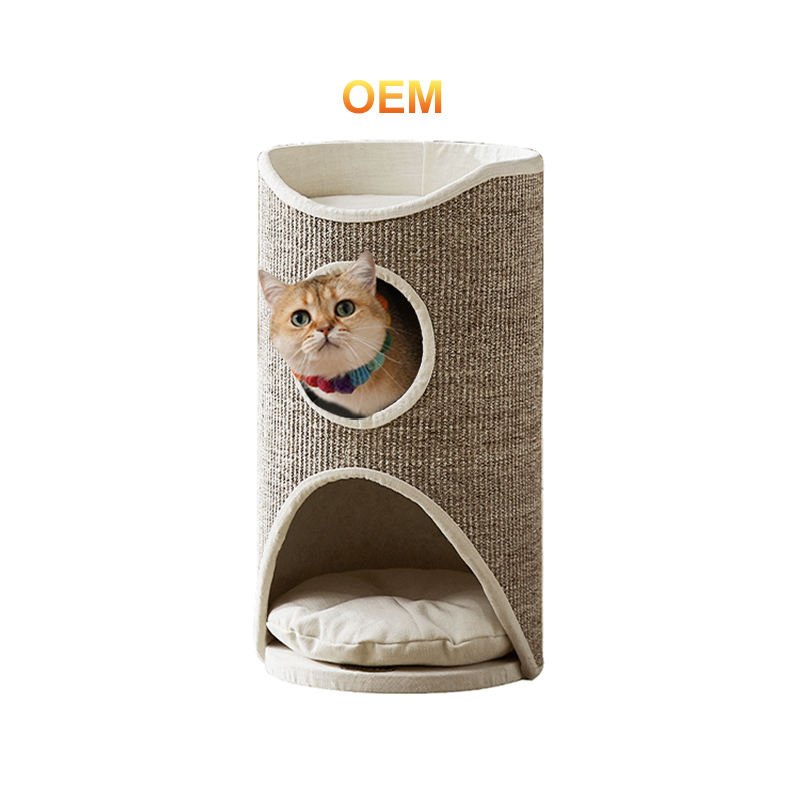
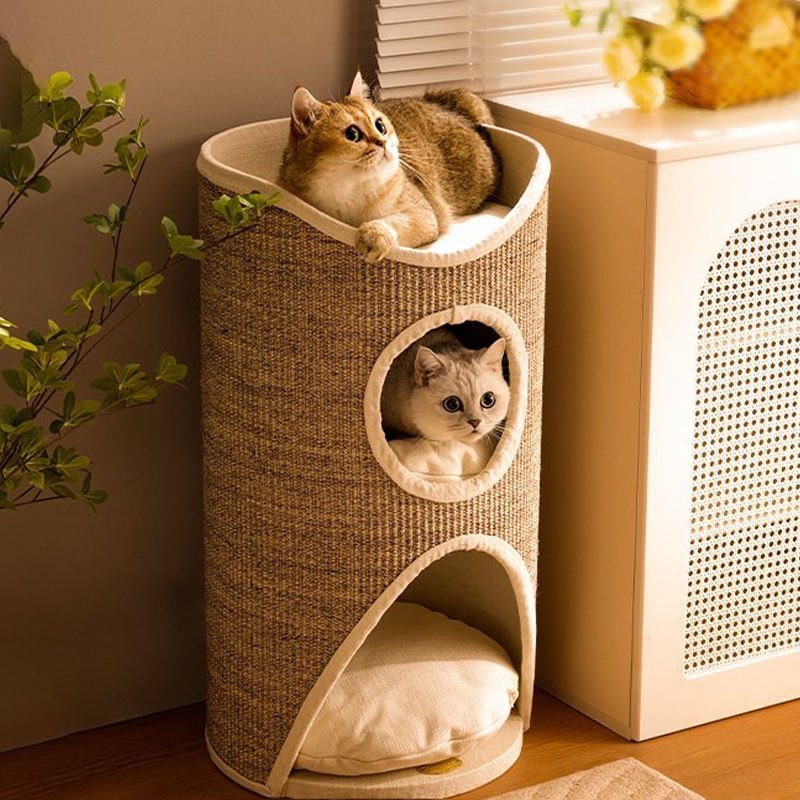
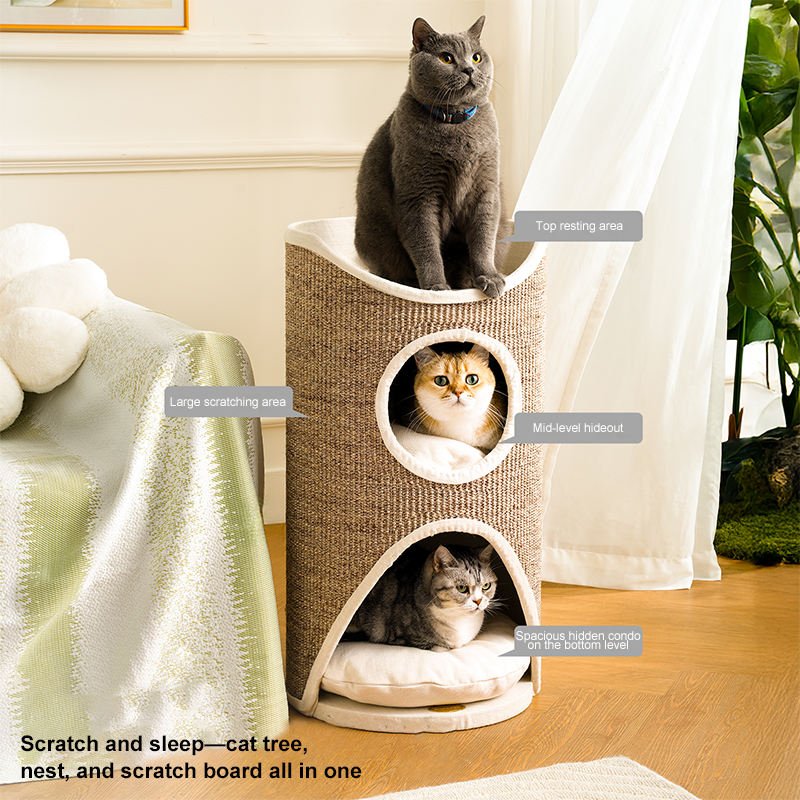
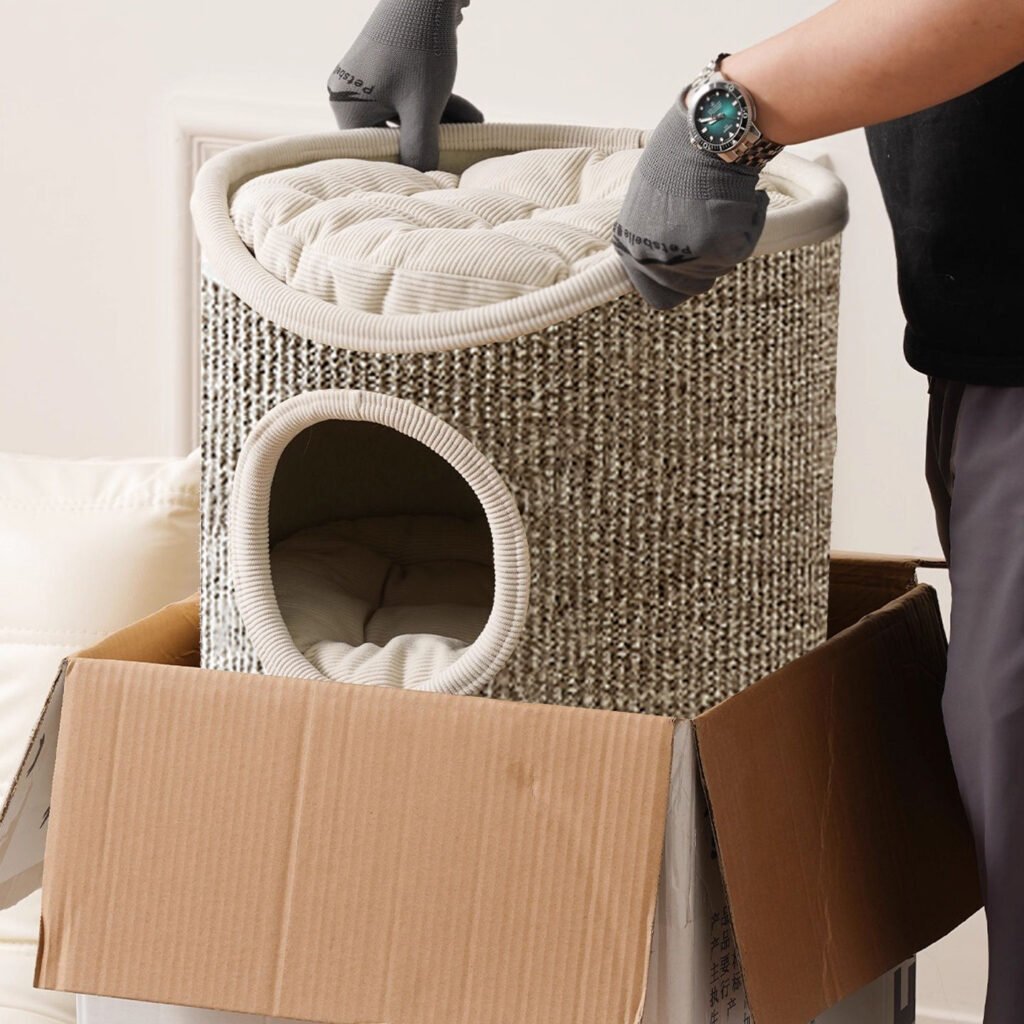
But with growth comes a challenge: safety standards for cat trees remain inconsistent, and consumers are increasingly aware of the risks. A poorly designed cat tree isn’t just a waste of money, it’s a safety hazard for both cats and their owners. A toppled cat tree isn’t just scary; it’s a medical emergency waiting to happen.
This guide explains the current safety standards for cat trees, what to look for when sourcing, and what to avoid.
The Current State of Cat Tree Safety Standards
As of 2026, there is no single global “ISO standard” for cat trees. However, reputable manufacturers often reference principles similar to ASTM F2057 (Standard Safety Specification for Clothing Storage Units) regarding tip-over resistance, or they conduct custom dynamic load testing. A cat tree standard is needed to ensure that cat trees meet certain quality and safety criteria, which is essential for the health and well-being of cats.
In Europe, manufacturers often reference the principles of EN 17272, a pet product safety standard. Under this framework, a large cat tree’s static load-bearing design should be at least four times the average cat’s weight (for a 6kg cat, each platform should withstand at least 24kg).
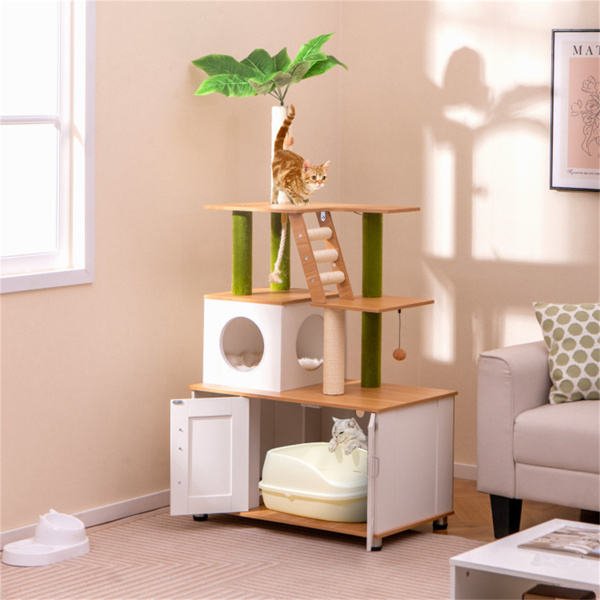
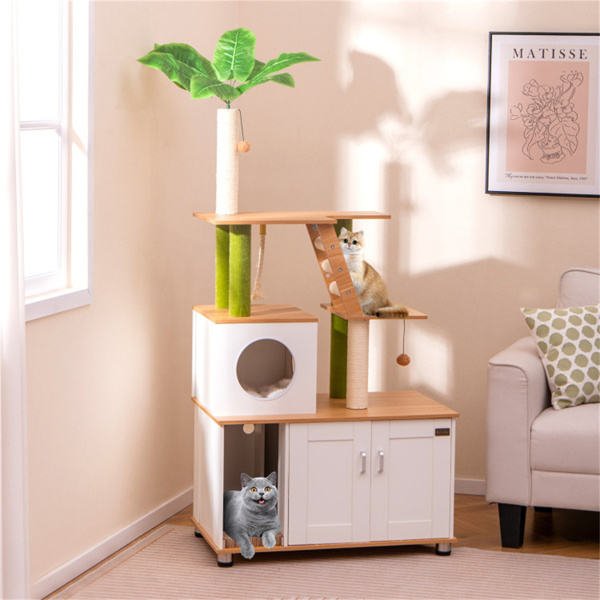
The key takeaway: While standards are evolving, responsible manufacturers should be able to demonstrate that their products meet rigorous safety and quality criteria.
- Stability and Tip-Over Prevention
Cat trees over 48 inches tall MUST be anchored to the wall to prevent tipping. This isn’t optional, it’s a safety requirement. For trees over 60 inches, anchoring is mandatory.
What to check:
- Does the tree come with anti-tip hardware (wall anchors)?
- Is the base wide enough to lower the center of gravity? A tall tree with a tiny base is a recipe for disaster. For multi-cat homes, the base needs to be substantial.
- Are platforms and perches designed to bear weight without wobbling?
2. Material Safety
Cats spend significant time on and around cat trees. Materials matter for both safety and durability.
3. Scratching Post Durability
Scratching posts should be wrapped in natural sisal rope with sufficient thickness and density. Poor-quality sisal frays quickly, creating ingestion hazards for cats.
4. Load-Bearing Capacity
For multi-cat homes with large breeds (Maine Coons, Norwegian Forest Cats), cat trees need to be engineered for significantly higher loads. A cat tree designed for a 4kg cat will not safely support an 8kg cat.
What to check: Ask the manufacturer for load-test data, or at minimum, confirm that platforms are rated for the maximum weight of your target cat breeds.
Common Sourcing Mistakes to Avoid
Mistake 1: Prioritizing aesthetics over stability. A cat tree that looks beautiful but wobbles is dangerous. Stability must come first.
Mistake 2: Assuming all sisal is the same. Low-quality sisal frays quickly and can be ingested by cats. Invest in high-density natural sisal.
Mistake 3: Ignoring chemical safety. Formaldehyde from low-grade boards, chemical treatments on sisal, and toxic adhesives can all harm cats. Verify material certifications.
Mistake 4: Not including wall anchors. If your cat tree doesn’t come with anti-tip hardware, find one that does. It’s a matter of safety.