
Many cat owners view cat trees simply as “toys” nice to have, but not essential. However, veterinary and behavioral research increasingly shows that the choice of cat furniture directly impacts a cat‘s physical and mental health.
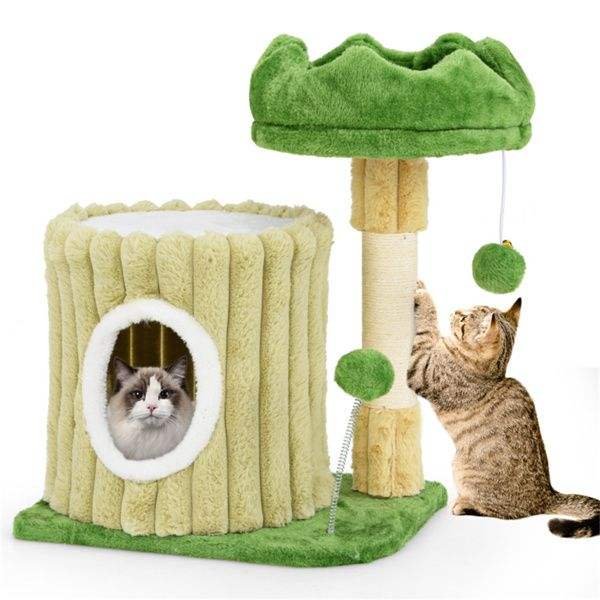
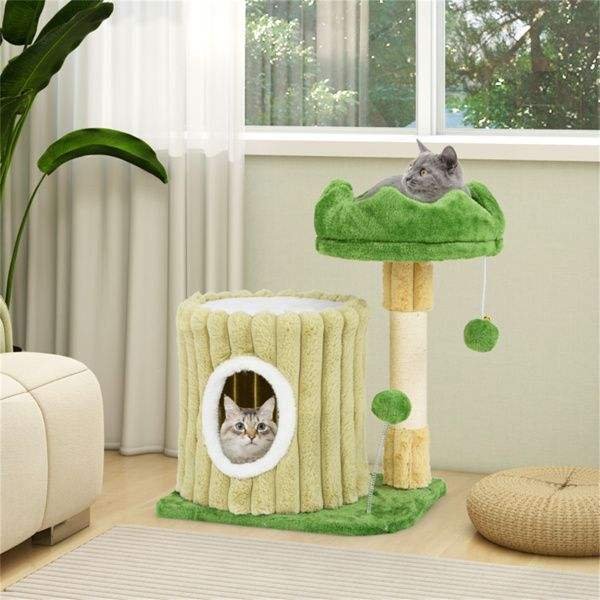
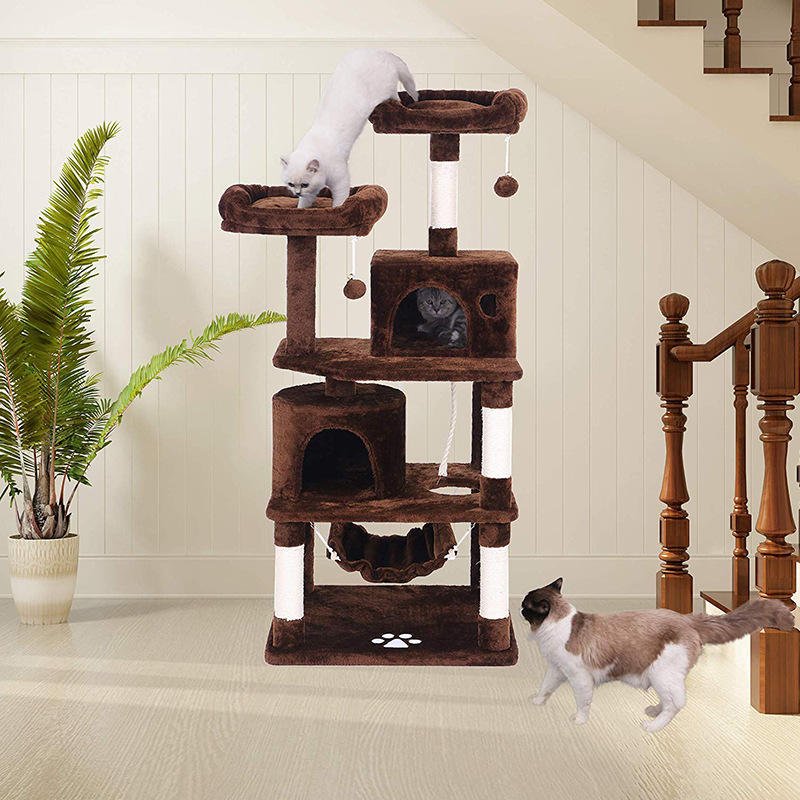
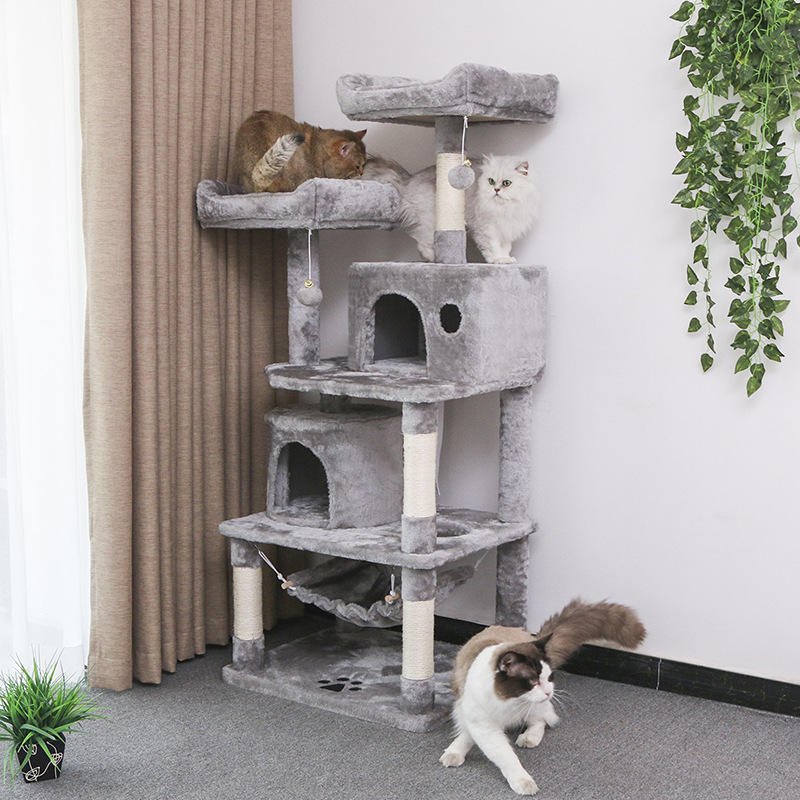
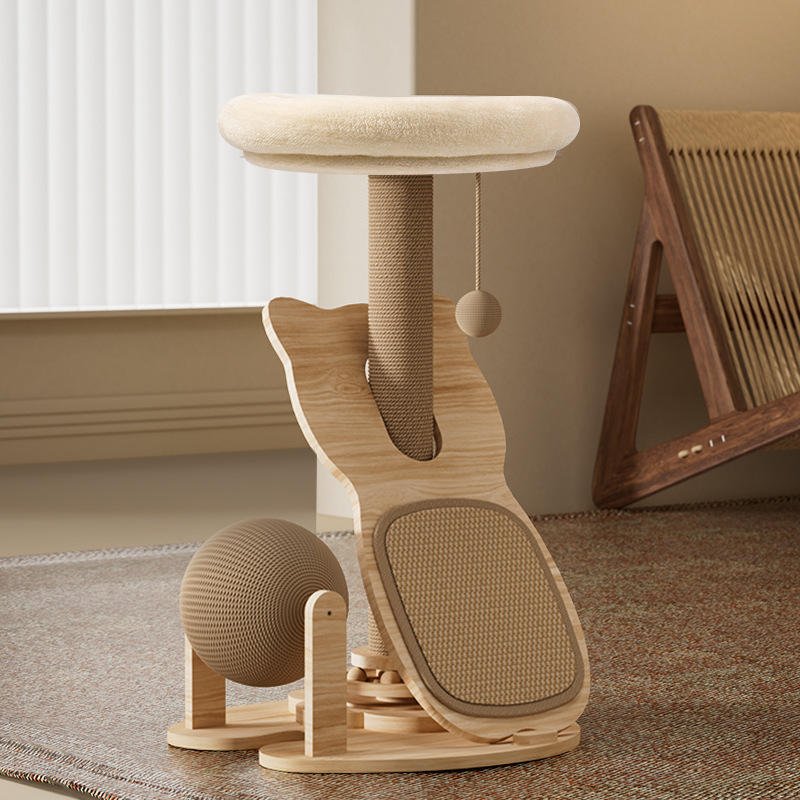
1. Vertical Space: A Cat’s Psychological Safety Net
Cats are naturally vertical animals. In the wild, they use height to observe, survey, and avoid threats. In indoor environments, without vertical spaces (cat trees, wall shelves), cats experience “ground-level anxiety,” which can manifest as over-grooming, aggression, and loss of appetite.
Research shows: Households with adequate vertical space see approximately 40% reduction in stress-related behaviors.
2. Scratching Needs: More Than Just Sharpening Claws
Cats scratch not to destroy, but to stretch muscles, mark territory, and shed old nail sheaths. If the scratching material is unsuitable — too slippery, too soft, or poorly wrapped — cats will turn to sofas, curtains, or even human legs.
A good cat tree should use: High-density natural sisal rope (6-8mm thickness), with sturdy posts that don‘t wobble when scratched.
3. Hiding Spaces: The Core of a Sense of Security
Cats need a retreat when they feel stressed. Small houses, tunnels, or hammocks on a cat tree provide that “invisible safe zone.” If a cat tree is made entirely of open platforms with no hiding spots, cats may avoid using it altogether.
Survey data shows: Over 70% of cats prefer cat trees with enclosed or semi-enclosed spaces.
Conclusion:
A cat tree is not a “pet toy” it’s a piece of behavioral health equipment for your cat. Choosing the right cat tree protects your furniture and gives your cat a healthier, safer environment.